How to Prune Barbados nut?
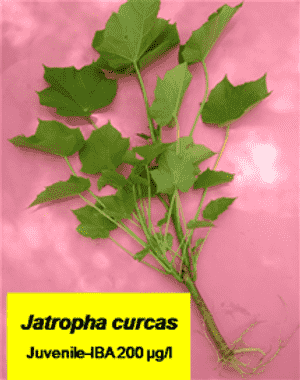
The Jatropha curcas, a resilient shrub recognized for its oil-bearing seeds, thrives with regular trimming to boost its development and output. Essential methods involve reducing dense branches, cutting back to encourage a fuller shape, and eliminating deceased or ailing wood. The most favorable periods are early spring or late winter to stimulate the subsequent growth phase. Trimming enhances air movement, diminishes pest problems, and fosters abundant fruit production in this plant.
Advantages of Trimming Barbados Nut
Advantages of Trimming Barbados Nut
Trimming barbados nut promotes robust development and helps maintain its desired shape. Strategic cuts enhance air circulation and light exposure, boosting vitality and shaping the plant for aesthetic or spatial management.
Optimal Period for Pruning Barbados Nut
Optimal Period for Pruning Barbados Nut
Pruning barbados nut from late winter to early spring is considered ideal because this timing coincides with the period just before the start of the growing season, when the plant is still dormant. Trimming at this time minimizes stress on barbados nut and ensures that new growth is vigorous and can heal the cuts from pruning without diverting too much energy from flowering or fruiting, which typically occurs later in the season. Furthermore, the absence of leaves during this dormant period provides gardeners with a clearer view of the structure of barbados nut, allowing for more accurate and effective pruning. By conducting pruning in late winter to early spring, gardeners can help maintain the shape and health of barbados nut, stimulate new growth, and potentially enhance the plant's yield of flowers and fruits.
Essential Tools for Pruning Barbados Nut
Bypass Pruners
Perfect for making clean cuts on young or small branches of barbados nut, bypass pruners cause minimal tissue damage, aiding in quicker recovery.
Loppers
Best for reaching deeper or higher branches with greater leverage, loppers are suitable for trimming branches thicker than those manageable by bypass pruners, improving the shaping process of barbados nut.
Pruning Saws
For cutting mature, thicker branches of barbados nut that are too large for loppers, pruning saws provide the necessary power without causing undue strain on the gardener.
Gloves
Protective gloves are essential to prevent injury from the toxic sap of barbados nut, which can irritate skin upon contact.
Pruning Sealer
After cutting larger branches, applying a pruning sealer can help protect the wounds of barbados nut from pests and diseases.
Sharpening Tool
Keeping pruning tools well-sharpened ensures clean cuts, reducing potential damage and disease risk to barbados nut.
How to Prune Barbados Nut
Clean Tools
Before starting, sanitize your pruning shears or saws with isopropyl alcohol or a household disinfectant to prevent the spread of diseases to barbados nut.
Safety
Wear gloves and protective clothing to guard against barbados nut's sap, which may irritate skin and eyes.
Identify Dead Branches
Examine barbados nut's structure and identify any dead branches, which will be grayish and snap easily, for removal. These can act as vectors for illness and pests.
Remove Dead Branches
Using the pruning tools, carefully trim away the dead branches from barbados nut, cutting at a 45-degree angle just above a live node or lateral branch. Ensure clean cuts to promote quicker healing.
Prune Diseased Branches
Identify and remove any branches showing signs of disease, such as abnormal growths or discoloration. Dispose of diseased material away from healthy plants to prevent contamination.
Common Pruning Errors with Barbados Nut
Excessive Pruning
Removing too much foliage at once can stress barbados nut and leave it vulnerable to pests or disease.
Dull Instruments
Using dull or unclean cutting tools can result in jagged cuts that heal poorly and potentially introduce pathogens.
Incorrect Cut Placement
Cutting too far from or too close to the main stem can hinder proper healing or cause unnecessary injury to barbados nut.
Ignoring Diseased Limbs
Failing to identify and remove diseased or damaged branches can lead to further decline in the health of barbados nut.
Removing Too Many Leaves
Stripping barbados nut of too many leaves can reduce its ability to photosynthesize, slowing growth and recovery.
Neglecting Plant Form
Pruning without considering the natural shape of barbados nut can result in an unattractive appearance and uneven growth.
General Pruning Advice for Barbados Nut
Sharp Instruments
Always use sharp, clean pruning tools to make precise cuts and to minimize damage to the tissues of barbados nut.
Angle Cuts
Cutting branches at a 45-degree angle away from the bud ensures water runs off the cut and reduces the risk of disease.
Identify Nodes
Prune just above the nodes where leaf buds are present to encourage barbados nut to branch out and become fuller.
Balanced Pruning
Distribute pruning evenly around barbados nut to maintain its natural shape and promote harmonious growth.
Early Intervention
Regularly removing weak or crowded limbs can prevent more severe pruning needs in the future and maintain the health of barbados nut.
Safety First
Wear protective gloves and eyewear when pruning barbados nut, as it produces a sap that can be irritating to skin and eyes.



