How to Transplant Winter jasmine?
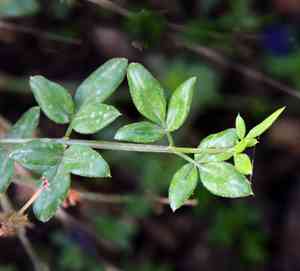
The ideal period for transplanting winter jasmine is after the winter freeze, when new buds indicate robust development. Choose a location that receives full sun to partial shade and has soil that drains effectively. Careful handling is crucial to preserve the root system's health throughout this process.
What Preparations are Needed Before Transplanting Winter Jasmine?
What is the Ideal Time for Transplanting Winter Jasmine?
Spring is the perfect time to move winter jasmine to a new spot, as it aligns with their natural growth cycle. Moving winter jasmine during this period ensures strong root development and vitality, ultimately boosting the plant's resilience and flowering potential. By choosing the mild conditions of spring, winter jasmine benefits from moderate weather, allowing it to adjust smoothly to its new home before summer's heat or winter's cold.
How Much Space Should You Leave Between Winter Jasmine Plants?
When getting ready to move your winter jasmine, make sure to space each plant 6-8 feet (1.8-2.4 meters) apart. This provides your winter jasmine ample room to grow and spread. Happy gardening!
What is the Best Soil Mix for Winter Jasmine Transplanting?
The best soil for winter jasmine drains well and is rich in organic material. Apply a foundational layer of balanced granular fertilizer before transplanting. This gives your winter jasmine a healthy start.
Where Should You Relocate Your Winter Jasmine?
Next, select a spot for your winter jasmine that gets full to partial sunlight throughout the day. They thrive in warm, bright rays, which also help them grow strong and beautiful.
What Equipments Should You Prepare Before Transplantation Winter Jasmine?
Gardening Gloves
These are crucial for protecting your hands when working with soil and roots.
Spade or Shovel
Essential for digging the plant from its original spot and for creating a hole in the new area where the plant will be moved.
Garden Trowel
This tool assists in digging small holes or trenches around the plant, especially if it's in a pot or seedling tray.
Pruner
Needed to trim any damaged or unnecessary roots or branches of the winter jasmine.
Watering Can
Important for hydrating the winter jasmine before and after moving it.
Bucket
A useful container for transporting or temporarily holding the soil removed from the transplant hole.
Stakes and Garden Twine
These can offer support to winter jasmine after transplanting if necessary.
How Do You Remove Winter Jasmine from the Soil?
How Do You Remove Winter Jasmine from the Soil?
From Ground: First, lightly water the winter jasmine to loosen the soil. Then, dig a trench, larger than the root ball, around the plant using a spade or shovel. Ensure the plant's root ball remains undisturbed. Carefully slide the spade beneath the root ball and lift the plant from its spot.From Pot: Start by watering the plant, then invert the pot while supporting the plant with your other hand. Tap the bottom of the pot a few times, and the winter jasmine should slide out. Be careful not to pull the plant forcefully, as this could harm the roots.From Seedling Tray: Water the seedlings before transplanting. With a garden trowel, gently lift the seedling, making sure the entire root ball is intact. If the roots are tangled with other seedlings, carefully separate them.
Step-by-Step Guide for Transplanting Winter Jasmine
Preparation
After removing the winter jasmine from its initial location, prepare the new hole. The hole should be twice as wide and the same depth as the root ball. Loosen the soil at the bottom of the hole with a garden trowel.
Placement
Position the winter jasmine in the prepared hole. Ensure the top of the root ball is level with or slightly below the surrounding soil surface.
Backfilling
Refill the hole with the soil you previously removed. Gently firm the soil around the base of the winter jasmine using your hands.
Watering
Water the transplanted winter jasmine generously immediately after moving it. The soil should be thoroughly saturated.
Staking
If the winter jasmine requires extra support after transplanting, install stakes around the plant and secure them with garden twine.
How Do You Care For Winter Jasmine After Transplanting?
Mulching
Apply a layer of organic mulch, keeping it away from the stem to prevent rot. Mulching helps retain moisture and inhibits weed growth.
Watering
Water the transplanted winter jasmine regularly. Frequency depends on the weather, but ensure the soil stays slightly moist.
Pruning
Trim any dead or damaged branches of the winter jasmine after transplantation. This helps reduce stress on the plant and encourages new growth.
Inspecting
Regularly check the winter jasmine for signs of diseases or pests. Early detection can prevent many problems later on.
Feeding
A few weeks after transplantation, fertilize the winter jasmine with a slow-release product to promote growth.
Troubleshooting Common Issues with Winter Jasmine Transplantation.
When's the best time to transplant winter jasmine?
The ideal period to move winter jasmine is during early to mid-spring (S1-S3). The plant is more likely to successfully root and establish itself during this season.
How much space should I leave between winter jasmines while transplanting?
Winter jasmine plants should be spaced approximately 6-8 feet (1.8-2.4 meters) apart to ensure healthy development and ample room for root expansion.
Do I need to prepare the soil when transplanting winter jasmine?
Yes, enrich the soil with organic matter or compost up to a depth of about 10 inches (25.4 cm) before relocating winter jasmine to ensure a thriving plant.
My winter jasmine doesn't seem to be taking root, what might be the issue?
Ensure you are providing sufficient water to the plant after transplanting. The roots need adequate moisture to establish themselves in the new location.
How deep should I plant winter jasmine during transplantation?
Dig a hole deep enough to accommodate the entire root ball of winter jasmine. The top of the root ball should be level with the surrounding soil to ensure successful transplantation.
Is there a recommended watering schedule after transplanting winter jasmine?
Water winter jasmine thoroughly immediately after transplantation, and then consistently for the first few weeks. Drought stress can hinder the plant's establishment and growth, especially in its early stages.
What's the ideal light exposure for transplanted winter jasmine?
Winter jasmine prefers full sun to partial shade. After transplantation, place the plant in an area that receives adequate sunlight to ensure healthy, vigorous growth.
How can I handle root-bound winter jasmine during transplantation?
If winter jasmine is root-bound, gently separate the roots before transplanting. This will help the plant better establish itself in the new soil and grow more efficiently.
Can transplantation stress affect winter jasmine?
Certainly, plants like winter jasmine can experience stress during transplantation. Minimize this by keeping root disturbance to a minimum and maintaining a consistent watering schedule post-transplantation.
Should I prune winter jasmine before or after transplanting?
It's best to prune winter jasmine after transplanting. This helps the plant focus its energy on root development instead of new growth, enhancing successful establishment in the new location.



