Enhancing Your Garden Design with the Winter jasmine Plant: A Landscaping Guide
1
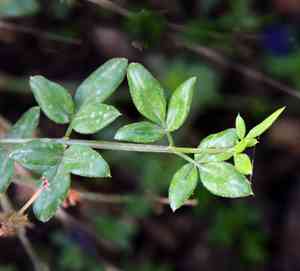
Winter jasmine flowers during the colder months, bringing vibrancy to your outdoor space when other flora is inactive.
2
Winter jasmine requires minimal upkeep, making it an excellent option for gardeners with limited time.
3
Winter jasmine offers flexibility in garden planning, working well as a screening hedge, a vivid background, or alongside other plants.
Why Select Winter Jasmine for Your Garden?
Year-Round Visual Appeal: How Winter Jasmine Excels in Every Season
A key attribute of Winter Jasmine is its capacity to offer aesthetic interest throughout the year. During colder months, when most plants are dormant and gardens appear dull, Winter Jasmine brightens with its vivid yellow blossoms. This burst of color can enhance any garden's beauty, making it a focal point. In spring and summer, its green foliage continues to provide a fresh, lush look, ensuring your garden stays vibrant all year.
Low Maintenance: Simplify Your Gardening Efforts with Winter Jasmine
For those who desire a beautiful garden but lack time for extensive upkeep, Winter Jasmine is an excellent choice. This plant requires minimal care once established. It thrives in various soil types and tolerates drought well, reducing the need for constant watering. Furthermore, its resistance to many pests and diseases means less time and effort spent on preventative measures and treatments.
Versatility in Landscape Design: The Diverse Applications of Winter Jasmine
The adaptability of Winter Jasmine in landscape design is remarkable. Whether you aim for a structured, formal garden or a more natural, informal setting, Winter Jasmine fits perfectly. It can serve as ground cover to prevent soil erosion, be trained to climb trellises or walls for vertical interest, or be planted in containers to brighten patios and balconies. Its flexibility makes it a valuable addition to any landscaping project.
Designing with Winter Jasmine: Ideas for Gardeners
Privacy and Boundary Creation with Winter Jasmine
If you're looking to establish a natural boundary or privacy screen, Winter Jasmine is an excellent option. When planted in a linear arrangement, it forms a dense hedge that can effectively block unwanted views and reduce noise. This makes it ideal for urban gardens or properties near busy streets. Additionally, its height and spread can be easily managed with regular pruning, ensuring your privacy screen remains neat and functional.
Creating Colorful Backdrops with Winter Jasmine in Winter Gardens
Winter landscapes often lack the vibrant hues of other seasons, but Winter Jasmine can change that. Its bright yellow flowers offer a stark contrast against the grey and white backdrop of winter, creating an eye-catching display. Plant Winter Jasmine along fences or walls to produce a striking visual effect that breaks the monotony. This not only enhances your garden's beauty but also brings cheer during the colder months when it's most needed.
Integrating Winter Jasmine with Other Plants: A Companion Planting Guide
Incorporating Winter Jasmine with other plants in your garden can lead to a more dynamic and healthy garden environment. Due to its winter blooming cycle, Winter Jasmine pairs well with spring and summer-flowering plants, ensuring your garden remains colorful through multiple seasons. Consider pairing it with evergreen shrubs or other winter bloomers for a continuous display of color. Additionally, its ability to grow in various conditions makes it a flexible partner in companion planting strategies.
Caring for Winter Jasmine: Essential Tips for Plant Health
Understanding Sunlight Requirements for Winter Jasmine
While Winter Jasmine is quite adaptable, it grows best in full sun to partial shade. Providing at least six hours of direct sunlight daily ensures robust flowering and healthy foliage. However, it can still thrive in less sunny conditions, making it suitable for various garden spots. If planting Winter Jasmine in a pot, remember to move it to sunnier locations if you observe reduced blooming.
Optimal Soil and Watering Practices for Winter Jasmine
Winter Jasmine prefers well-draining soil with a slightly acidic to neutral pH. While it is drought-tolerant once established, consistent watering during its initial growth period is vital. Ensure the soil stays moist but not waterlogged. During extreme heat or drought, occasional deep watering will keep it flourishing. Adding mulch around the base can help retain soil moisture and regulate temperature.
Seasonal Pruning Tips: Keeping Winter Jasmine Looking Its Best
Pruning is crucial for maintaining the shape and health of Winter Jasmine. The ideal time to prune is immediately after its flowering period, typically in late winter or early spring. Remove any dead or diseased branches to encourage healthy growth. For a more structured appearance, trim back longer shoots to the desired length. Regular pruning not only keeps Winter Jasmine tidy but also stimulates more abundant blooming in the subsequent season.
Common Challenges and Solutions When Cultivating Winter Jasmine
Addressing Common Pests and Diseases Affecting Winter Jasmine
Although Winter Jasmine is generally resistant to many pests and diseases, occasional issues can arise. Aphids and spider mites can sometimes be a problem, especially during dry spells. Regularly check for signs of infestation and treat with appropriate organic insecticides. Fungal diseases, like powdery mildew, can also occur in overly humid conditions. Ensure good air circulation around the plant and avoid overhead watering to minimize risk.
Managing Overgrowth: Avoiding Invasive Tendencies
Winter Jasmine can grow vigorously, which is great for quickly filling spaces but can also lead to overgrowth. Regular pruning is key to managing its spread and preventing it from becoming invasive. If you notice it starting to encroach on other plants' space, trim it back promptly. Using root barriers can also help contain its growth, particularly in more confined garden areas.
Adapting to Environmental Conditions: Ensuring Winter Jasmineâs Success
Environmental conditions can vary greatly, and Winter Jasmine is adaptable to many, but ensuring its thriving requires some attention. In climates with harsh winters, a layer of mulch around the base can protect the roots from freezing. In extremely hot areas, providing some afternoon shade will help reduce stress on the plant. Always be mindful of your specific regional conditions and adjust care practices accordingly to keep Winter Jasmine healthy and flourishing.



