How to Propagate Winter jasmine?
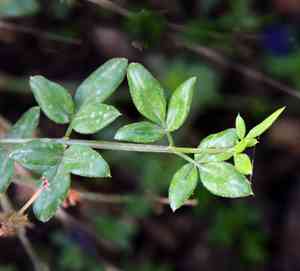
This variety is a sturdy, leaf-shedding shrub recognized for its vibrant yellow blossoms that appear on unadorned branches. For multiplying winter jasmine, cuttings are typically the favored approach, offering a simple and efficient way to expand your collection. Employ semi-woody cuttings harvested from vigorous, established stalks. Verify that each cutting possesses multiple nodes for superior root development. It is advisable to take cuttings with keen, sanitized implements to lessen the chance of pathogen spread and guarantee a pristine beginning for winter jasmine.
Optimal Period for Winter Jasmine Propagation
Propagation Method
Cutting
Propagation Period
Autumn,Winter
Tools Required for Winter Jasmine Propagation
Sharp pruning shears
Pruning shears are crucial for taking cuttings from winter jasmine. They must be sharp to ensure clean cuts that do not crush the stems, which could damage the vascular tissue and hinder root development. A clean cut helps maintain the health of the remaining plant and the viability of the cutting.
Rooting hormone powder or gel
Rooting hormone stimulates root growth from winter jasmine's cuttings and increases the likelihood of successful propagation. Applying a rooting hormone to the freshly cut base of the stem helps expedite rooting and improves the overall success rate of the propagation process.
Sterile potting mix
A sterile potting mix provides a pathogen-free environment critical for the rooting of winter jasmine's cuttings. The mix should be light and well-draining to support moisture retention without causing waterlogging, which can lead to root rot and other fungal diseases.
Small pots or trays
These containers are used to plant the cuttings after they have been treated with rooting hormone. Small pots or trays are ideal as they ensure that the delicate new roots of winter jasmine do not have to compete for resources and can grow without undue stress.
Plastic covers or humidity domes
To maintain a high humidity environment conducive to rooting, plastic covers or domes can be placed over the cuttings of winter jasmine. This simulates a greenhouse environment, helping to prevent moisture loss from the leaves and stems, and promoting faster root development.
How to Propagate Winter Jasmine?
Propagation Type
Moderately Difficult
How to Care for Your Newly Propagated Winter Jasmine?
How to Care for Your Newly Propagated Winter Jasmine?
Once rooted, acclimate winter jasmine to ambient conditions by gradually increasing ventilation over a course of a few days. Transplant the rooted cuttings into individual pots once substantial root growth is observed. Provide winter jasmine with its preferred environment, which includes full sun to partial shade, and well-draining soil. Maintain consistent moisture without overwatering, and prune as necessary to encourage bushy growth. During growth seasons, feed winter jasmine monthly with a balanced liquid fertilizer. Protect winter jasmine from harsh freezing temperatures in winter.
Common Mistakes to Avoid When Propagating Winter Jasmine
Overwatering cuttings
Excessive moisture can lead to rot, hindering root development and potentially killing the cuttings.
Using dull cutting tools
Blunt tools can damage the stems of winter jasmine, leading to poor healing and increased susceptibility to disease.
Ignoring soil condition
Inappropriate soil conditions can impede root growth and water drainage, which is vital for the health of newly propagated winter jasmine.
Planting cuttings too deep
Deep planting can cause the cuttings of winter jasmine to rot before they have a chance to root.
Neglecting humidity
While winter jasmine does not require excessive humidity, completely ignoring humidity levels can impact the rooting success of cuttings.
Tips For Propagating Winter Jasmine
Sterile equipment
Use sterilized pruning tools to prevent disease transmission and ensure clean cuts for rooting.
Appropriate soil mix
A well-draining soil mix provides the proper balance of air and water to the roots, encouraging healthy growth.
Moderate watering
Keeping the soil moist but not waterlogged supports the development of roots without risking rot in winter jasmine cuttings.
Shallow planting
Inserting cuttings shallowly into the soil ensures that the stem of winter jasmine receives enough air to prevent rot and promote growth.
Semi-hardwood cuttings
Selecting semi-hardwood cuttings increases the likelihood of successful propagation, providing a balance between flexibility and maturity.



