How to Transplant Joewood?
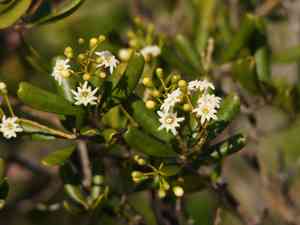
Joewood flourishes when relocated between early and mid-spring, as the soil warms and the climate is mild. Select a bright spot with soil that drains effectively. Maintain steady hydration, yet prevent saturation, to foster strong root development.
Necessary Preparations Before Relocating Joewood?
Optimal Period for Joewood Relocation?
The best time to move joewood is from early spring through mid-season. This timing allows the plant to benefit from rising temperatures and longer daylight. Relocating joewood then promotes strong root development before summer heat, leading to a more robust and resilient plant.
Required Spacing Between Joewood Plants?
When moving joewood, ensure each plant is spaced 36-48 inches (91-122 cm) apart. This provides ample room for growth and expansion without competition for nutrients or light.
Ideal Soil Mixture for Joewood Transplanting?
Joewood thrives in sandy, well-draining soil. Before transplanting, enrich the soil with compost or a balanced slow-release fertilizer to aid in strong root establishment.
Where to Replant Your Joewood?
Select a sunny spot in your garden for joewood. They need full sun to partial shade, meaning at least 6 hours of daily sunlight for healthy, vigorous growth.
Equipment Needed Before Joewood Transplantation?
Gardening Gloves
To safeguard your hands while handling soil and plants.
Shovel
For excavating the plant and preparing a new planting site.
Trowel
Useful for precise digging and managing smaller root systems.
Pruning Shears
To trim any damaged or excess roots or branches.
Watering Can/Hose
For hydrating the soil before and after the transplant.
Wheelbarrow
To move the plant if it's large or needs to be transported a distance.
Stakes
To support the plant if it's tall or top-heavy post-transplant.
Mulch
To help maintain soil moisture after relocation.
How to Extract Joewood from the Soil?
How to Extract Joewood from the Soil?
From Ground: First, moisten the joewood plant's soil. Then, dig a wide trench around the plant with a shovel or spade, keeping the root ball intact. Carefully work the spade under the root ball to lift the plant from its original spot.From Pot: Water the joewood plant thoroughly before removal. Gently turn the pot on its side and tap the sides to loosen the soil. Carefully slide the plant out, holding it by the stem's base.From Seedling Tray: Water the seedlings before removal. Use a trowel to gently lift each seedling by the roots, ensuring the root system remains intact.
Step-by-Step Guide for Relocating Joewood
Site Preparation
Prepare the area by digging a hole twice the root ball's width and slightly deeper than the joewood plant's root system.
Plant Placement
Position the joewood plant in the hole, ensuring it's upright and the root ball's top is level with or slightly above the surrounding soil.
Fill the Hole
Backfill the hole with soil, gently pressing it down to remove air pockets around the roots without excessive compaction.
Water Thoroughly
Water the plant extensively to settle the soil around the roots and provide initial hydration.
Stake if Necessary
If the joewood plant is tall or top-heavy, install stakes for stability until it establishes itself.
Post-Transplant Care for Joewood?
Watering
Keep the soil around the joewood consistently damp, but not waterlogged, for the initial weeks after transplanting to encourage strong root growth.
Mulching
Apply a layer of mulch around the plant's base to retain moisture and regulate soil temperature.
Monitoring
Regularly inspect the plant for any signs of stress, such as wilting or yellowing leaves, and adjust care as needed.
Pruning
If you observe any damaged or dead leaves or branches, prune them to promote healthy development.
Addressing Common Joewood Transplantation Issues.
When is the best time to transplant joewood?
The ideal period is early to mid-spring, for optimal growth conditions.
How much space should I leave between transplants?
Ensure a 36-48 inch (91-122 cm) spacing for healthy development.
Should I water joewood immediately after transplanting?
Yes, water thoroughly to help roots establish in their new location.
What type of soil is best for transplanting joewood?
Use well-draining soil with a slightly acidic to neutral pH for optimal results.
How deep should I plant joewood when transplanting?
Plant it at the same depth as it was in its original container.
What should I do if joewood wilts after transplanting?
Ensure it's well-watered and placed in a location with partial to full sunlight.
Can I fertilize joewood right after transplanting?
Wait a few weeks before fertilizing to allow roots to adjust.
How can I minimize transplant shock for joewood?
Transplant on a cool, cloudy day and keep roots moist throughout the process.
What pests should I watch out for after transplanting joewood?
Look out for aphids and spider mites and treat them promptly if noticed.
Is mulching beneficial for joewood after transplanting?
Yes, applying mulch can help retain moisture and regulate soil temperature.



