How to Prune Joewood?
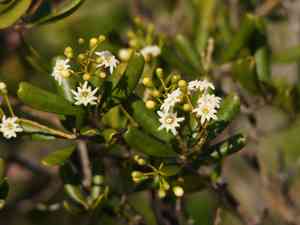
Joewood, a thick, evergreen bush, is recognized for its robust foliage and tiny, aromatic blossoms. The most effective time for trimming is in winter, after blooming, to stimulate fresh development and preserve its structure. Consistent trimming aids in controlling its compact size and boosts its floral presentation by eliminating aged or excessively long branches. Employ sharp, sanitized implements for accurate cuts, which additionally thwarts the ingress of diseases. This upkeep not only betters the plant's well-being but also joewood's visual attractiveness.
What Are the Benefits of Pruning Joewood?
What Are the Benefits of Pruning Joewood?
Trimming joewood encourages robust development by eliminating old or overgrown limbs, improving air circulation and sunlight exposure. Regular cutting helps maintain its form, ensuring a compact and visually appealing look.
What Is the Best Time for Pruning Joewood?
What Is the Best Time for Pruning Joewood?
Winter is considered the ideal period for pruning joewood due to several key factors related to the plant's dormant state. During winter, joewood's growth cycle slows considerably, allowing it to withstand pruning without significant harm to its vitality or causing stress. Minimal active growth means pruned areas have time to heal before spring's growth surge, reducing the risk of disease and pest infestation. Furthermore, winter pruning prepares joewood to direct energy towards producing strong new growth and maintaining health and structure in the subsequent growing season. Winter pruning also ensures cutting occurs well before the spring flowering season, preventing any compromise to the plant's blooming potential.
What Tools Do I Need to Prune Joewood?
Hand Pruners
Perfect for making precise cuts on smaller, thinner branches of joewood. Since joewood typically has more delicate and slender stems, using hand pruners helps in controlling the cut better to avoid damaging the plant.
Loppers
Suitable for slightly thicker branches up to 1.5 inches in diameter, which can occasionally be found in mature joewood. They offer greater reach and leverage, making it easier to prune without excessive force that could harm smaller branches.
Pruning Saw
Essential for the thicker, woody branches that are usually less common but can develop as joewood matures. A pruning saw allows for clean cuts without tearing, which is vital to keep the pruned areas on joewood healthy and able to heal properly.
How to Prune Joewood
Sterilize tools
Before pruning joewood, ensure all tools are disinfected to prevent disease spread. Use a bleach and water solution or rubbing alcohol to clean pruning shears and saws.
Identify
Carefully inspect joewood for dead or diseased branches. Dead branches typically appear dry and brittle and may have a different color than healthy ones. Diseased branches might show signs of infection such as unusual coloration, growths, or decay.
Prune dead branches
Using the sterilized tools, remove all identified dead branches from joewood. Make clean cuts at a 45-degree angle just above a bud or branching point to encourage healthy growth.
Prune diseased branches
Remove diseased branches from joewood by cutting at least a few inches into healthy wood beyond the infected sections to ensure all diseased material is eliminated. Dispose of these branches immediately to prevent disease spread.
Clean up
After pruning joewood, clear away all removed branches and debris from around the plant. This helps prevent any potential disease from lingering in the area. Sterilize your tools again after finishing.
Common Pruning Mistakes with Joewood
Over-pruning
Removing too much foliage from joewood can significantly weaken the plant. It's crucial not to exceed a removal of more than one-third of the plant's overall volume in a single pruning session.
Improper cuts
Pruning joewood with dull tools or making jagged cuts can lead to damaged tissues, making the plant more susceptible to infections and diseases.
Neglecting diseased sections
Failing to remove diseased, dead, or damaged branches during pruning can hinder joewood's overall health and growth, as these can harbor pests and diseases.
Common Pruning Tips for Joewood
Clean and sharp tools
Use clean, sharp pruning shears or knives to make clean cuts. This practice helps prevent the spread of disease and ensures smooth healing of cuts on joewood.
Strategic thinning
Focus on thinning out overcrowded areas to improve air circulation and light penetration throughout joewood. This technique encourages healthy growth and robust flowering.
Shape maintenance
Regularly prune to maintain the natural shape of joewood, focusing on removing wayward, crossing, or particularly vigorous branches to uphold the plant’s aesthetic and structural integrity.



