How to Propagate Joewood?
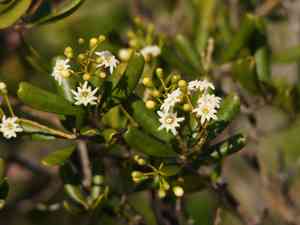
Joewood, a robust shrub variety, reproduces efficiently via cuttings. This straightforward technique entails selecting vigorous, non-blooming stems and applying a rooting stimulant to boost successful establishment. Maintaining adequate soil dampness and shielding from direct sun exposure initially will foster more robust root formation.
What Is the Best Time To Propagate Joewood?
Propagation Type
Cutting
Propagation Season
Fall,Winter
What Tools Are Used in Joewood Propagation?
Sharp Pruning Shears
These instruments are vital for making clean, precise cuts on joewood's stems. Sharp shears minimize tissue damage, thereby lowering infection risk and ensuring a healthier cutting. Accurate cuts enhance the likelihood of successful rooting by providing an optimal surface for root initiation.
Rooting Hormone
This chemical assists in stimulating root development from joewood's cuttings. Applying rooting hormone to the stem's cut end boosts root formation and increases the overall success rate of the propagation process. It also helps accelerate rooting, which is key for slow-rooting species like joewood.
Sterile Potting Mix
A well-draining, sterile potting mix offers an ideal environment for joewood's cuttings to establish roots. The mix's sterility ensures no pathogens can harm developing roots. Additionally, good drainage prevents waterlogging, which can cause rot and other moisture-related issues.
Humidity Dome
Maintaining high humidity is crucial for joewood during the initial stages of cutting propagation. A humidity dome helps retain moisture around cuttings, reducing water loss through transpiration and improving rooting success. This tool is especially important as joewood cuttings may take longer to root and require consistent environmental conditions.
How to Propagate Joewood?
Propagation Type
Moderately Difficult
How to Care for Your Newly Propagated Joewood?
How to Care for Your Newly Propagated Joewood?
Post-propagation, gradually introduce joewood to less humid conditions over several weeks. Once established, water the plant when the top inch of soil feels dry. Joewood prefers a sunny or partially shaded spot and well-drained soil. Regularly check for pests and diseases, and trim dead or weak branches to encourage robust growth and air circulation.
Common Mistakes to Avoid When Propagating Joewood
Excessive watering
Overwatering joewood can lead to root rot, as its roots are adapted to well-drained soil. Too much moisture can hinder root oxygenation, resulting in poor plant health.
Deep planting
Planting joewood cuttings or seeds too deep can impede sprouting and root development due to insufficient light and oxygen, which are essential for germination and initial growth.
Over fertilization
Applying too much fertilizer can harm joewood's roots, especially during the sensitive phases of root development in propagation. This can cause nutrient burn, which inhibits growth.
Ignoring pest control
Neglecting pest management during joewood propagation can lead to infestations that weaken or kill young plants, as they are more vulnerable than mature specimens.
Tips For Propagating Joewood
Well drained soil
Joewood thrives in soil conditions with good drainage. Ensuring proper drainage will help prevent root diseases and support healthier growth.
Moderate watering
Maintaining moderate watering ensures joewood receives sufficient moisture without waterlogging the soil, thereby promoting healthier root development.
Indirect light
Providing indirect light for joewood during propagation helps prevent sunburn while ensuring enough light for photosynthesis, crucial for healthy growth.
Pest monitoring
Regularly monitoring and managing pests during joewood's propagation stages can protect young plants from early damage, establishing a stronger foundation for growth.



