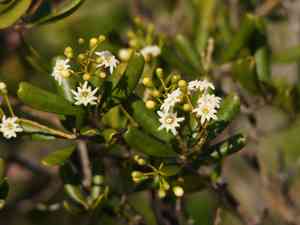
Joewood (Jacquinia keyensis)
Also known as: Wash wood
The plant you're referring to is likely a shrub or small tree with dense, evergreen foliage. It typically blooms with white flowers during the summer and fall.
In This Article
Attributes of Joewood
Lifespan
Perennial
Plant Type
Tree, Shrub
Plant Height
1.5 to 6 meters (5 to 20 feet)
Spread
1.2 to 3 meters (4 to 10 feet)
Leaf Color
Dark Green
Flower Size
Approximately 1 to 1.5 centimeters
Flower Color
White
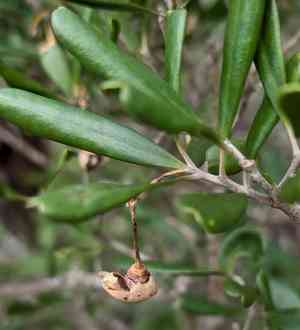
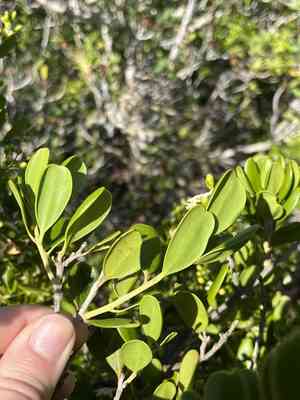
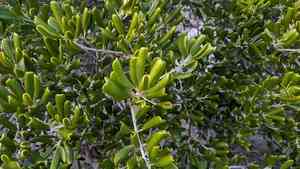
Images of Joewood
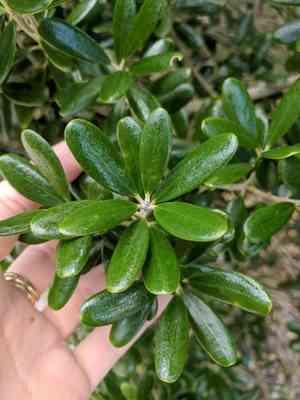
Quickly Identify Joewood
1
Jacquinia keyensis can be identified by its thick, leathery, dark green leaves which are arranged alternately. The plant also produces small, star-shaped, white flowers, followed by orange to red berries.
Scientific Classification of Joewood
Phylum
Vascular plants
Class
Dicotyledons
Order
Ericales
Family
Primrose
Genus
Jacquinia
Species
Joewood
Planting and Growing of Joewood
Care Difficulty
Easy
Watering Schedule
Every 2 days
Sunlight Requirements
Full sun
Sunshine Duration
4-8 hours
Ideal Temperature
65-78℉
Soil Type
Potting Mix, Peat Mix
Soil pH
6.5-7.5
Fertilizer Type
Balanced
Pruning Season
Spring, Summer
Pruning Area
Branches, Leaves
Pruning Frequency
Once a year
Repotting Season
Spring
Pot Type
Plastic, Ceramic
 How to Water Joewood?
When watering Jacquinia keyensis, aim to provide approximately 300 milliliters each time. This ensures the soil remains adequately moist without waterlogging, which could harm the roots. It's essential to water until the top few inches of soil feel evenly moist but not overly saturated.
What are the symptoms of an underwatered Joewood?
›
What should I do if my Joewood is not getting enough water?
›
What are the symptoms of an overwatered Joewood?
›
How to save an overwatered Joewood?
›
 What Are the Sunlight Requirements for Joewood?
Ideal light range for Jacquinia keyensis is full sun to partial sun. Ample sunlight promotes healthy growth, vibrant leaves, and the potential for flowering, significantly enhancing its decorative appeal.
What is the ideal light condition for Jacquinia keyensis?
›
How to achieve these ideal lighting conditions?
›
What benefits does the ideal lighting condition provide?
›
 What Is the Ideal Temperature Range for Joewood?
Jacquinia keyensis thrives best in a warm and stable environment. The ideal temperature range is between 65°F to 78°F. This range allows for optimal growth and photosynthetic activity, as it mimics the native tropical climate where this plant naturally grows.
 What Soil is Best for Joewood?
Jacquinia keyensis thrives best in well-drained soils, which prevent water from pooling around the roots and encourage strong root development. Well-drained soil helps protect this plant from root rot, enhancing its overall health and growth. Although Jacquinia keyensis is relatively low maintenance, a nutrient-rich soil can boost its vigor. The presence of essential nutrients like nitrogen, phosphorus, and potassium supports lush foliage and an attractive appearance, making the plant more resilient to environmental stressors. This species prefers slightly alkaline soil with a pH range from 6.5 to 7.5. Such a pH level helps in absorbing vital nutrients more efficiently, leading to better growth and increasing its flowering potential.
 How to Fertilize Joewood?
For Jacquinia keyensis, use a balanced fertilizer. Apply approximately one teaspoon of liquid fertilizer per gallon of water during each application for optimal nutrient delivery.
 How to Prune Joewood?
Look for dead or diseased branches first and remove them. Then, focus on any crossing or rubbing branches that could damage each other over time. By clearing out these areas, you encourage air circulation and light penetration, both crucial for plant vitality. To shape Jacquinia keyensis, make small, angled cuts just above leaf nodes, encouraging outward growth. Aim for a balanced, rounded form that maintains the plant's natural aesthetics. Regularly stepping back to assess your work helps achieve symmetry. After pruning, ensure the plant is well-watered and monitor it for any signs of stress or disease. Applying a mild, balanced fertilizer can support recovery and regrowth, but avoid over-fertilization, which may hamper development.
More About Pruning Techniques→
 How to Propagate Joewood plant?
1
Gather ripe seeds from the Jacquinia keyensis fruit, ensuring they are mature and viable. Clean the seeds to remove any pulp before planting.
2
Select healthy, non-flowering sections of the plant. Use pruning shears to cut 4-6 inch long sections. Remove lower leaves for proper rooting.
3
For both seeds and cuttings, plant them in a well-drained soil mix. Lightly cover the seeds or base of cuttings, and water thoroughly.
 How to Repot Joewood plant?
1
Jacquinia keyensis needs repotting when its roots start to peek out from the drainage holes or if growth has noticeably slowed. Spring or early summer are ideal times as the plant will have the entire growing season to establish itself in the new pot.
2
Choose a pot that is one size larger than the current one, ensuring it has ample drainage holes. This provides adequate space for root growth and prevents waterlogging, promoting healthier plant development.
3
Opt for a well-draining sandy soil mix to mimic the plant’s natural environment. This prevents root rot by allowing excess water to escape, thus maintaining the optimal moisture levels for Jacquinia keyensis.
Toxicity
ingestion
WARNING
The judgment on toxicity and danger is for reference only. We DO NOT GUARANTEE any accuracy of such judgment. Therefore, you SHALL NOT rely on such judgment. It is IMPORTANT TO SEEK PROFESSIONAL ADVICE in advance when necessary.
Learn More About Joewood Diseases
Anthracnose
Bacterial Leaf Spot
Bacterial Soft Rot
Bacterial Wilt
Black Spot
Chemical Injury
Crown Gall
Cyst Nematode
Damping-off
Drought Stress
Fusarium Wilt
Gray Mold
Leaf Spot
Mosaic
Nutrient Deficiency
Nutrient Toxicity
Powdery Mildew
Root Rot
Root-knot Nematode
Rusts
Sooty Mold
Spider Mites
Temperature Stress
Thrips Damage
White Mold



