How to Transplant Jesuit's bark?
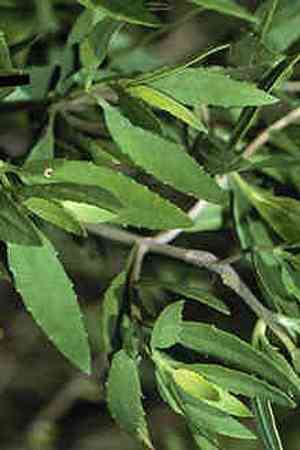
For jesuit's bark, the ideal period for relocation is the moderately warm stretch from the end of spring to the beginning of summer, which offers superb growing circumstances. Select a bright spot with soil that drains effectively, and ensure the roots remain hydrated throughout the procedure for successful integration.
What Preparations are Needed Before Transplanting Jesuit's Bark?
What is the Ideal Time for Transplanting Jesuit's Bark?
The optimal period to relocate jesuit's bark is when spring blooms transition into early summer warmth. This favorable window allows for root establishment prior to the arrival of hot weather. Moving jesuit's bark during this time ensures roots have sufficient opportunity to adapt and strengthen, creating a solid foundation for vigorous development. Choosing this season for transplanting fosters a healthier, more resilient jesuit's bark. Let's gently place jesuit's bark into their new home as the season's mildness aids recovery and growth!
How Much Space Should You Leave Between Jesuit's Bark Plants?
When rehousing your jesuit's bark, aim to provide each plant ample room to thrive. A spacing of 24-36 inches (61-91 cm) between each jesuit's bark will be ideal, accommodating its growth and air circulation requirements.
What is the Best Soil Mix for Jesuit's Bark Transplanting?
Let's prepare a comfortable bed for your jesuit's bark! Select well-draining soil rich in organic matter; incorporating a balanced, slow-release fertilizer will provide a nourishing start. This will ensure your jesuit's bark has everything it needs from the outset.
Where Should You Relocate Your Jesuit's Bark?
Your jesuit's bark thrives in sunlight! Choose a bright location that receives abundant daylight. However, if you reside in a particularly warm region, a spot with afternoon shade will help shield your jesuit's bark from excessive heat.
What Equipments Should You Prepare Before Transplantation Jesuit's Bark?
Gardening Gloves
To safeguard your hands while handling soil and plants.
Shovel or Spade
To excavate the jesuit's bark from its current spot and for preparing the new planting hole.
Gardening Trowel
For smaller or delicate tasks around the roots and for use in container or seedling tray transplanting scenarios.
Watering Can or Hose
To hydrate the jesuit's bark before and after the relocation process.
Wheelbarrow or Garden Cart
For moving the jesuit's bark and soil to its new position.
Pruning Shears
To trim any damaged roots or excess foliage prior to transplanting.
Rooting Hormone (optional)
To stimulate root development post-transplant.
Mulch
To assist in maintaining soil moisture and temperature after transplanting.
How Do You Remove Jesuit's Bark from the Soil?
How Do You Remove Jesuit's Bark from the Soil?
From Ground: First, moisten the jesuit's bark to make the soil more workable. Use a shovel or spade to dig a wide circle around the plant, going deep to avoid severing crucial roots, and gently maneuver the spade beneath the root ball to lift the plant cleanly.From Pot: Water the soil in the container before beginning. Tilt the pot sideways and gently tap it to loosen the jesuit's bark. Support the plant by its base and carefully slide it out, minimizing root disturbance.From Seedling Tray: Water the seedlings to keep the soil intact. Use a gardening trowel or a small tool to lift individual jesuit's bark seedlings by pushing up from the bottom of the cell. Be gentle and try to retain as much soil around the roots as possible.
Step-by-Step Guide for Transplanting Jesuit's Bark
Preparation
Gather all necessary tools and ensure the new planting area is ready for the jesuit's bark.
Plant Removal
Follow the previously outlined steps to carefully extract the jesuit's bark from its current location. Handle with care to minimize root damage.
Root Pruning
Examine the root ball and trim any damaged or dead roots using pruning shears. If applicable, apply rooting hormone to the cut root areas.
Transit
Transport the plant promptly to its new site to prevent root desiccation. A wheelbarrow or garden cart can be helpful.
Hole Preparation
Dig a hole in the new spot that is twice as wide and equal in depth to the root ball. Loosen the surrounding soil with your shovel.
Placement
Position the jesuit's bark in the center of the hole, ensuring it stands upright and at the same depth as it was previously growing.
Fill In
Gently backfill the hole with soil, firming it down around the roots to eliminate air pockets. Water thoroughly to settle the soil.
Mulching
Apply a layer of mulch around the plant to help retain moisture and reduce weed competition without piling it against the stem or leaves of the jesuit's bark.
How Do You Care For Jesuit's Bark After Transplanting?
Initial Watering
Water the jesuit's bark generously immediately after transplanting and continue to water regularly to maintain consistent soil moisture during its first growing season.
Pruning
Trim any damaged or excessive foliage to lessen stress on the jesuit's bark and to encourage new growth.
Monitoring
Observe the jesuit's bark for indications of transplant shock, such as wilting or leaf drop, and address any issues promptly.
Supporting
If the jesuit's bark is tall or top-heavy, provide stake support to prevent wind damage until its roots become established.
Adjusting Care
Be attentive to the jesuit's bark's requirements as it adapts to its new surroundings, which may involve modifying watering frequency based on weather conditions.
Troubleshooting Common Issues with Jesuit's Bark Transplantation.
What's the best time of year to transplant jesuit's bark?
The optimal period for relocating jesuit's bark is between late spring and the beginning of summer.
How do I ensure correct spacing for jesuit's bark during transplanting?
Space the jesuit's bark approximately 24 to 36 inches (60 to 90 cm) apart to provide ample room for growth.
How deep should I plant jesuit's bark's roots in the new location?
Excavate a hole that accommodates jesuit's bark's root ball, typically matching the depth of its original container.
What soil conditions are best for transplanting jesuit's bark?
Select well-draining soil rich in organic matter for the most favorable transplant environment for jesuit's bark.
How much should I water jesuit's bark after transplanting?
Water jesuit's bark generously post-transplant to settle the soil and mitigate transplant shock.
Should I fertilize jesuit's bark right after transplanting?
Wait a few weeks after transplanting before applying fertilizer to avoid root burn.
Why does my transplanted jesuit's bark look wilted?
Some wilting is normal due to transplant shock. Ensure adequate watering, and it should recover.
Can I transplant jesuit's bark on a hot, sunny day?
Transplanting jesuit's bark on an overcast day or in the evening reduces stress on the plant.
What signs indicate jesuit's bark is struggling after transplant?
Yellowing leaves or stunted growth in jesuit's bark can signal stress. Check soil moisture and sun exposure.
How can I protect jesuit's bark after transplanting?
Mulch around jesuit's bark to retain moisture, regulate soil temperature, and lessen weed competition.



