How to Prune Jesuit's bark?
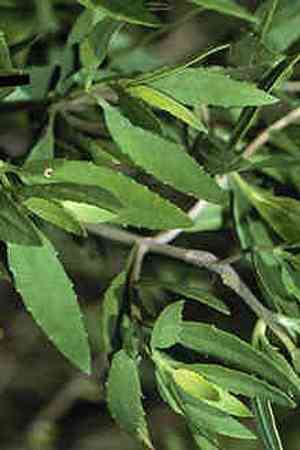
Jesuit's bark, a robust perennial featuring lignified stalks, thrives particularly well in maritime regions. Perform trimming in the latter part of spring or early summer, following its blooming period, to stimulate fresh development and preserve its form. Sever any deceased or frail stems at their base and sculpt the remaining foliage, ensuring adequate air movement. Consistent trimming enhances vitality and deters an elongated appearance. Refrain from extensive pruning late in the season to safeguard the subsequent year's growth. This maintenance regimen guarantees a flourishing, compact, and aesthetically pleasing plant.
What Are the Benefits of Pruning Jesuit's Bark?
What Are the Benefits of Pruning Jesuit's Bark?
Trimming jesuit's bark is crucial for sustaining its growth vigor and desired form. Regular removal of dead or overgrown branches promotes robust new growth and maintains an appealing shape.
What Is the Best Time for Pruning Jesuit's Bark?
What Is the Best Time for Pruning Jesuit's Bark?
Pruning jesuit's bark in late spring and early summer is optimal, coinciding with its post-flowering period when new growth is strong. This timing allows for shaping while preserving plant health and vitality. Pruning during active growth ensures rapid recovery and supports the development of sturdy new shoots. Additionally, trimming before high summer temperatures reduces stress on jesuit's bark, helping it endure heat and potential drought.
What Tools Do I Need to Prune Jesuit's Bark?
Bypass Pruners
Perfect for making clean cuts on the young, green stems of jesuit's bark, bypass pruners enable precise trimming with minimal harm to the plant's delicate tissues.
Lopping Shears
For thicker, woodier stems that bypass pruners cannot manage, lopping shears offer the necessary leverage for clean cuts without straining the user's hands.
Pruning Saw
If jesuit's bark has developed thick, mature branches, a pruning saw is essential for cutting through the wood cleanly and efficiently without causing undue damage to the plant.
Gardening Gloves
Protecting the gardener's hands from thorns and rough stems, gloves are a vital tool when pruning jesuit's bark.
Pruning Snips
For detailed shaping and deadheading jesuit's bark's smaller branches and foliage, pruning snips provide accuracy and ease of use.
How to Prune Jesuit's Bark
Inspect
Carefully examine jesuit's bark to identify diseased and withered leaves, as well as unhealthy stems. Use clean, sharp pruning shears to prevent disease transmission.
Sanitize
Before cutting, disinfect pruning tools with a solution of one part bleach to nine parts water to avoid spreading pathogens to jesuit's bark.
Remove leaves
Cut off diseased and withered leaves at their base, but avoid removing healthy foliage excessively, as jesuit's bark needs sufficient leaves for its health and growth.
Cut stems
Trim diseased stems on jesuit's bark back to healthy tissue, ensuring the cut is clean and angled to promote water runoff and prevent disease.
Disposal
Discard all removed material (diseased leaves and stems) away from jesuit's bark to prevent re-infection or the spread of disease to other plants.
Common Pruning Mistakes with Jesuit's Bark
Overpruning
Removing too much foliage at once can stress jesuit's bark and impede its ability to photosynthesize effectively.
Incorrect cuts
Making cuts too close to the main stems or too far from a node can lead to poor healing and potentially introduce disease.
Using dull tools
Pruning with dull or dirty tools can create jagged cuts that are more vulnerable to pests and diseases.
Neglecting health checks
Failing to inspect jesuit's bark for signs of disease or pest infestation before pruning can result in unnecessary spread to healthy parts of the plant.
Disregarding plant form
Ignoring the natural shape of jesuit's bark can lead to an unnatural appearance and may compromise the plant's structural integrity.
Common Pruning Tips for Jesuit's Bark
Clean tools
Regularly sanitize pruning tools before and after use to prevent the spread of disease among plants.
Angled cuts
Make clean, angled cuts just above a leaf node or bud to encourage new growth in the desired direction.
Thin out crowded areas
For jesuit's bark, it's crucial to thin out congested areas to improve air circulation and light penetration, fostering healthy growth.
Cut damaged limbs
Remove any dead, diseased, or damaged limbs first to help jesuit's bark direct its energy towards producing healthy growth.
Gradual pruning
Prune jesuit's bark gradually over time rather than all at once, to avoid shocking the plant and to maintain a more natural shape.



