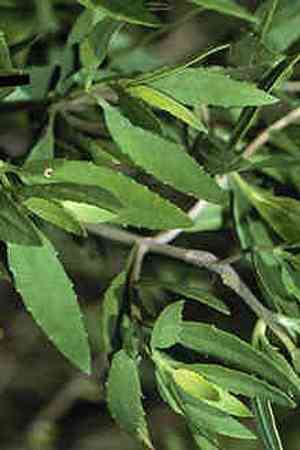
Jesuit's bark (Iva frutescens)
Also known as: Bigleaf Marsh Elder, High-tide bush, Maritime marsh-elder
Jesuit's bark (Iva frutescens) is a perennial deciduous shrub that can reach up to 3.5 meters in height. It is typically found in salt marshes and is well-adapted to saline conditions. This plant flourishes in full sunlight and needs consistently moist soils to thrive. From summer to fall, it produces greenish-white flowers along a flowering stem.
In This Article
Attributes of Jesuit's bark
Lifespan
Perennial
Plant Type
Herb, Shrub
Plant Height
3.5 m
Spread
1.2 m to 2.5 m
Leaf Color
Green
Flower Size
10 cm
Flower Color
Yellow Green Brown
Images of Jesuit's bark
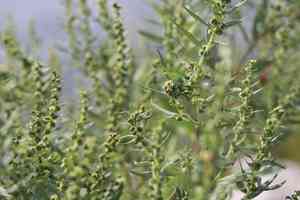
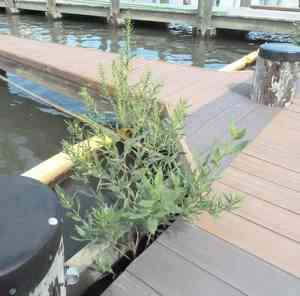
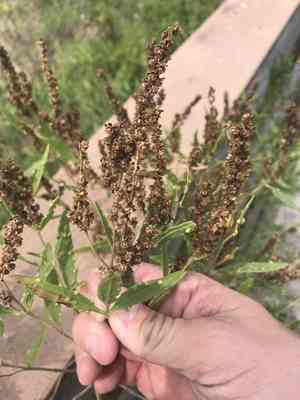
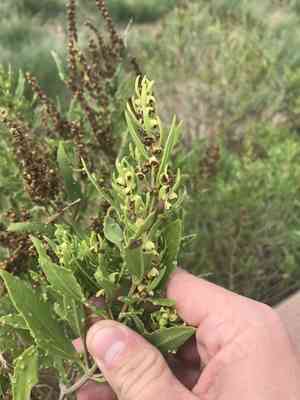
Quickly Identify Jesuit's bark
1
To identify Iva frutescens, look for its densely branched shrub structure, typically growing 1-2 meters tall. The leaves are opposite, lance-shaped, and often have a resinous feel. In late summer to fall, it produces small, white to pale green flowers clustered at the ends of branches.
Scientific Classification of Jesuit's bark
Phylum
Vascular plants
Class
Dicotyledons
Order
Asterales
Family
Daisy
Genus
Marsh elders
Species
Jesuit's bark
Planting and Growing of Jesuit's bark
Care Difficulty
Easy
Watering Schedule
Every 8 days
Sunlight Requirements
Full sun
Sunshine Duration
4-8 hours
Ideal Temperature
65-75℉
Soil Type
Potting Mix, Peat Mix
Soil pH
6.5-7.5
Fertilizer Type
Balanced
Pruning Season
Spring, Summer
Pruning Area
Branches, Leaves
Pruning Frequency
2 times a year
Repotting Season
Spring
Pot Type
Plastic, Ceramic
 How to Water Jesuit's bark?
The watering amount for Iva frutescens should be around 500 milliliters per session. This amount ensures that the water reaches the root zone without oversaturating the soil. It's important to water until you see moisture reach the bottom drainage holes of the pot to confirm even distribution.
What are the symptoms of an underwatered Jesuit's bark?
›
What should I do if my Jesuit's bark is not getting enough water?
›
What are the symptoms of an overwatered Jesuit's bark?
›
How to save an overwatered Jesuit's bark?
›
 What Are the Sunlight Requirements for Jesuit's bark?
Prefers full sun to partial sun conditions, benefiting from consistent sunlight. Proper lighting contributes to stronger growth and more vibrant foliage.
More About Sunlight Requirements Techniques→
What is the best type of light for Iva frutescens?
›
How can I ensure my Iva frutescens is getting the right amount of light?
›
What benefits does Iva frutescens receive from ideal lighting?
›
 What Is the Ideal Temperature Range for Jesuit's bark?
The ideal temperature range for Iva frutescens, between 65°F and 75°F, reflects its native habitat conditions. This range ensures optimal metabolic processes and prevents stress-related issues, allowing the plant to thrive and maintain its glossy foliage and vibrant appearance.
 What Soil is Best for Jesuit's bark?
Iva frutescens thrives in well-drained soils that keep its roots from waterlogging. Ensuring proper drainage prevents root rot and promotes healthy growth, providing the plant with a stable environment to absorb nutrients. Rich in organic matter, the soil should offer essential nutrients to support this plant's growth. A fertile soil composition helps in sustained flowering and robust foliage, ensuring the plant remains healthy and vibrant. While adequate drainage is crucial, the soil should also retain some moisture to keep the plant hydrated. This balance ensures the plant can photosynthesize efficiently and maintain its biological processes.
 How to Fertilize Jesuit's bark?
Iva frutescens is not a heavy feeder, so careful attention to fertilizing is required. Use a balanced liquid fertilizer diluted to half-strength, applying about 250 mL per plant per session. This ensures the plant receives nutrients without the risk of overfeeding.
 How to Prune Jesuit's bark?
Begin by inspecting the Iva frutescens for any dead or diseased branches; remove these entirely. Next, trim back overgrown areas to maintain the desired shape. Cut back branches by about a third to encourage denser growth. Always use clean, sharp tools to avoid damaging the plant. Remember to step back occasionally to assess the overall shape and symmetry while pruning. Finally, dispose of all clippings properly to avoid any pest infestation.
More About Pruning Techniques→
 How to Propagate Jesuit's bark plant?
1
Select healthy, non-flowering stems of about 4-6 inches long. Use pruning shears to make the cut just below a node. Remove the lower leaves to reduce moisture loss and dip the cut end in rooting hormone.
2
Fill propagation trays with a well-draining seed-starting mix. Sow the seeds on the surface and lightly cover them with soil. Maintain consistent moisture levels during germination.
3
For an established Iva frutescens plant, carefully dig up the root ball in late spring or summer. Gently separate the clumps, ensuring each new section has sufficient roots and pot them individually.
 How to Repot Jesuit's bark plant?
1
Iva frutescens needs repotting when its roots start appearing at the drainage holes or when the plant's growth seems stunted. These are strong indicators that the plant has outgrown its current pot or the soil has depleted of nutrients.
2
Select a pot that is one size larger than the current one, with ample drainage holes to prevent waterlogging. A correctly sized pot allows space for root growth and ensures proper air circulation, promoting healthy development.
3
Opt for a well-draining sandy mix to mimic natural environments and prevent root rot. This soil type helps maintain proper moisture levels, providing the plant with a balanced environment for robust growth.
Learn More About Jesuit's bark Diseases
Anthracnose
Bacterial Leaf Spot
Bacterial Wilt
Crown Gall
Cyst Nematode
Damping-off
Downy Mildew
Drought Stress
Fusarium Wilt
Gray Mold
Leaf Curl
Leaf Spot
Mosaic
Nutrient Deficiency
Nutrient Toxicity
Powdery Mildew
Root Rot
Root-knot Nematode
Rusts
Sooty Mold
Spider Mites
Temperature Stress
Thrips Damage
White Mold



