How to Transplant Butterfly-flower?
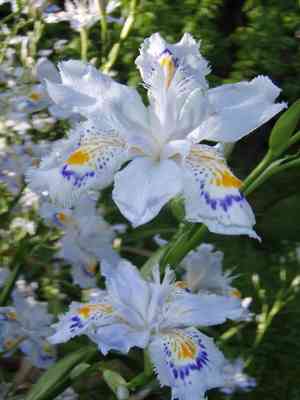
The most favorable period for relocating butterfly-flower is from late spring through mid-summer's warmth, which guarantees superior root development. Choose a location offering partial sun exposure and soil that drains effectively to encourage robust development. Should it be necessary, amend the soil with organic material to enhance the plant's vitality.
Essential Preparations Before Relocating Butterfly-flower
Optimal Timing for Transplanting Butterfly-flower
The perfect window for moving butterfly-flower is the transition from late spring to early summer. This timeframe offers ample warmth and minimizes frost risk, ensuring butterfly-flower's roots establish well. Relocating butterfly-flower during this period of growth and rejuvenation provides it with the best start in its new spot, boosting its chances for a vibrant display. Your butterfly-flower will flourish with renewed vigor and enhanced resilience.
Recommended Spacing Between Butterfly-flower Plants
When relocating butterfly-flower, aim to position each plant approximately 1-2 feet (30-60 cm) apart. Providing adequate room for growth and expansion is crucial. This spacing allows them to access sufficient nutrients and water from the soil.
Ideal Soil Blend for Butterfly-flower Transplanting
Prepare a fertile, well-draining soil mixture for your butterfly-flower. You can enhance your soil by combining garden soil, compost, and a small amount of peat moss. This ensures moderate fertility. For initial fertilization, consider a slow-release granular product.
Selecting a New Site for Your Butterfly-flower
When choosing a new home for your butterfly-flower, select a spot that receives partial to full sunlight. This plant thrives in sun but also benefits from some afternoon shade, especially in hotter climates. Proper sunlight significantly encourages growth.
Equipment Needed Before Transplanting Butterfly-flower
Gardening Gloves
To safeguard your hands from dirt, thorns, or insects during the transplanting process.
Shovel or Spade
For excavating the planting hole and extracting the plant from its original position.
Pruner
To trim roots or dead foliage, if necessary.
Bucket or Wheelbarrow
For transporting the butterfly-flower plant and/or soil.
Gardening Hose or Watering Can
To hydrate the butterfly-flower before and after its relocation.
Method for Extracting Butterfly-flower from the Soil
Method for Extracting Butterfly-flower from the Soil
From Ground: First, moisten the butterfly-flower plant to soften the soil, making it easier to dig around. Then, carefully excavate around the plant with a shovel or spade, taking care not to sever any roots. The objective is to remove the root ball with minimal damage. Once the root ball is isolated, gently lift the plant from its initial spot. From Pot: Begin by watering the potted butterfly-flower; this aids in easier removal. Hold the plant horizontally and carefully invert the pot, then gently tap the bottom; the butterfly-flower should slide out effortlessly. If it's stubborn, you might need to loosen the soil around the edges with a gardening knife. From Seedling Tray: Water the butterfly-flower seedlings first. Then, using a gardening stick or your fingers, gently push up from the base of the cell or section, and lift the seedling out, holding it by its leaves, not the stem.
Step-by-Step Guide for Relocating Butterfly-flower
Preparation
Begin by preparing the new site. The hole should be roughly twice the width of the root ball and of equal depth. If needed, incorporate some compost or organic matter into the excavated soil.
Placement
Carefully position the butterfly-flower plant in the hole, ensuring the top of the root ball is level with the ground surface. Avoid planting it too deeply or too shallowly.
Backfill
Now, start refilling the hole, gently firming the soil around the plant with your hands. Be careful not to harm the plant and its roots.
Watering
After the plant is in place, water thoroughly. This will help settle the soil around the roots and eliminate any air pockets.
Mulching
To retain soil moisture, suppress weeds, and protect the plant, apply a layer of mulch around the plant, keeping it away from the stem.
Post-Transplant Care for Butterfly-flower
Monitoring
Observe your transplanted butterfly-flower for several weeks to ensure it doesn't exhibit signs of stress, such as wilting or yellowing leaves. Any issues could indicate a problem with the transplant, like planting depth or watering inconsistencies.
Adjustment
Remember that plants require time to establish in their new environment. If the butterfly-flower appears stressed, avoid panicking and overwatering or over-fertilizing. Instead, check the soil moisture and adjust as necessary. Maintain consistent moisture. Overwatering can be more detrimental than underwatering.
Maintenance
Remove any dead leaves, debris, or fallen fruit from above and below the butterfly-flower plant.
Resolving Common Issues with Butterfly-flower Transplantation.
What is the optimal time of year to transplant butterfly-flower?
The best period for relocating butterfly-flower is from late summer to early autumn, or S3-S5 in horticultural terms.
What spacing is recommended when planting butterfly-flower?
When transplanting butterfly-flower, provide ample space for each plant, ideally 1-2 feet (30-60 cm) apart, to encourage healthy development.
How deep should the hole be for transplanting butterfly-flower?
Excavate a hole twice the diameter of butterfly-flower's root ball and of the same depth. This allows roots to spread comfortably.
What is the most effective transplanting method for butterfly-flower?
The best approach involves carefully removing butterfly-flower from its original spot and gently placing it in its new location.
How should I water butterfly-flower after transplanting?
Keep the soil of butterfly-flower consistently moist after relocation. Water thoroughly, but avoid excessive watering to prevent root rot.
What are the correct soil conditions for transplanting butterfly-flower?
Butterfly-flower thrives in well-draining soil enriched with organic matter. The soil should be loose and free of weeds.
What action should I take if the transplanted butterfly-flower is wilting?
For a wilting butterfly-flower, regularly check soil moisture. It might require more water or less sunlight. Adjust accordingly.
How can I care for newly transplanted butterfly-flower to prevent shock?
Help prevent transplant shock by watering deeply after planting, then maintain a suitable watering schedule based on seasonal needs.
What is the best location to transplant butterfly-flower?
Select a site with half to full day sun. However, shield butterfly-flower from intense afternoon sunlight.
What type of fertilizer should be used for butterfly-flower after transplanting?
Apply a balanced, slow-release fertilizer after relocating butterfly-flower. Follow product instructions to encourage growth.



