The Butterfly-flower Plant Advantage: Maximizing Home and Office Appeal and Wellness
1
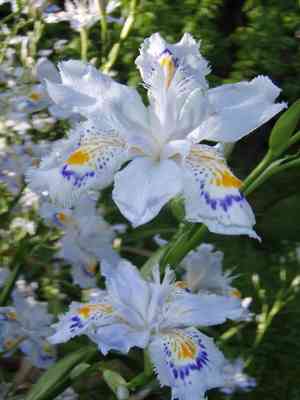
Butterfly-flower is recognized for its striking blue and white blossoms that can beautify any outdoor space.
2
This plant is very versatile, flourishing in both sunny and shaded environments.
3
A key advantage of Butterfly-flower is its minimal upkeep and simple cultivation.
Why Select Butterfly-flower for Your Garden?
Visual Appeal
Butterfly-flower is prized for its attractive, delicate blossoms that showcase striking blue and white petals. These blooms not only introduce a burst of color to your garden but also impart a sense of peace and sophistication to any outdoor area. The plantâs distinctive look makes it a focal point in garden design, often utilized to craft visually captivating arrangements.
Versatility
One of the plantâs most appealing attributes is its adaptability. Butterfly-flower can flourish in diverse settings, including both sunny and shaded locations. This flexibility means it can be situated in various garden spots, from borders and beds to containers and rock gardens. Such versatility makes Butterfly-flower a flexible addition to any gardening scenario.
Minimal Upkeep Requirement
For those desiring a beautiful garden without constant effort, Butterfly-flower is an excellent option. The plant demands little care once established. It is drought-tolerant and can thrive with only occasional watering, making it perfect for new gardeners or those with busy schedules.
How to Nurture Your Butterfly-flower
Ideal Growing Conditions
While Butterfly-flower is highly adaptable, providing it with optimal growing conditions can enhance its development and lifespan. Plant it in well-draining soil and ensure it receives a balance of sun and shade. A location that gets morning sunlight and afternoon shade is typically perfect.
Watering and Fertilizing
Water the plant consistently during its initial growing season to help establish a deep, extensive root system. Once mature, it will require less frequent irrigation. Fertilizing Butterfly-flower with a balanced nutrient solution during the growing season can encourage more vibrant blooms and robust growth.
Trimming and Pest Management
Pruning is not a strict necessity for Butterfly-flower, but light trimming can help maintain its form and promote more flowering. Remove any dead or yellowing foliage to keep the plant looking its best. Fortunately, Butterfly-flower is quite resistant to pests and diseases, making pest control a minor concern. Regular inspection can help detect any issues early and keep the plant healthy.
Additional Advantages of Butterfly-flower
Wildlife Attraction
Butterfly-flower is not only cherished by gardeners but also by various forms of wildlife. Its vibrant flowers draw in pollinators like bees and butterflies, making it an excellent plant for supporting local ecosystems. By incorporating Butterfly-flower into your garden, you contribute to the health of pollinator populations and enjoy the added benefit of observing these fascinating creatures.
Companion Planting
Due to its non-invasive nature, Butterfly-flower can be planted alongside a variety of other garden plants. It pairs well with ferns, hostas, and other shade-loving plants, creating a harmonious and diverse garden space. The combination of these plants can provide a well-rounded aesthetic and seasonal interest throughout the year.
Environmental Benefits
In addition to its aesthetic and low-maintenance qualities, Butterfly-flower also offers environmental advantages. It helps prevent soil erosion thanks to its robust root system. Furthermore, its ability to thrive in various conditions reduces the need for chemical interventions, fostering a healthier garden environment.
Concluding Thoughts on Incorporating Butterfly-flower into Your Garden
Simplicity and Grace
Butterfly-flower stands out as a plant that effortlessly combines simplicity and elegance. Its beautiful blooms and easy-to-care-for nature make it a top choice for gardeners looking to create a stunning, low-maintenance outdoor space. Whether you are an experienced gardener or a novice, Butterfly-flower can bring both joy and beauty to your garden.
Recommended Planting Methods
For optimal results, consider planting Butterfly-flower in the spring or fall when the climate is mild. Prepare the soil by enriching it with compost or organic matter to support healthy growth. Space the plants appropriately to allow for air circulation and development. By adhering to these planting methods, you can ensure that Butterfly-flower provides you with its full range of benefits.



