How to Prune Butterfly-flower?
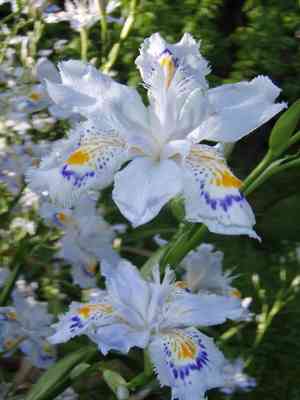
Recognized for its exquisite, decorative blossoms that evoke butterflies, butterfly-flower flourishes in adequately drained soil under dappled sunlight. Routinely remove withered or discolored foliage to sustain its vitality. After flowering, cut back spent flower stems to stimulate further blooming. Lightly trim at any point during the year to sculpt the plant and improve its dense structure. This practice fosters vigorous development and deters ailments by improving air movement among its leaves. Judicious trimming leads to a hardier and more visually appealing plant.
What Are the Benefits of Pruning Butterfly-flower?
What Are the Benefits of Pruning Butterfly-flower?
Trimming butterfly-flower is crucial as it promotes more abundant blossoms, ensures the plant maintains its vigor, and helps preserve its desired shape, enhancing its visual appeal.
What Is the Best Time for Pruning Butterfly-flower?
What Is the Best Time for Pruning Butterfly-flower?
Trimming butterfly-flower from late winter to early spring, just before new growth begins, is advantageous because the plant is still dormant, minimizing stress. This timing encourages robust growth and plentiful flowering in the upcoming season. It's also easier to discern the plant's structure without leaves, allowing for more precise cuts. Pruning at this time helps avoid removing developing flower buds that form on new wood. Removing dead or damaged foliage and spent blooms after flowering can also stimulate a second bloom in the same year. It's advisable to avoid heavy pruning in late summer or fall, as this can encourage new growth that may not harden off before frost.
What Tools Do I Need to Prune Butterfly-flower?
Bypass Pruners
Given butterfly-flower's relatively delicate foliage and stem structure, bypass pruners are an excellent choice. They create clean cuts without crushing plant tissues, which is essential for maintaining the plant's health and encouraging proper regrowth.
Gardening Shears
For shaping and trimming butterfly-flower's leaves and flower stems, gardening shears are suitable as they allow for precision and control. Their sharp blades facilitate quick trimming sessions without harming nearby blooms or foliage.
Garden Scissors
Small garden scissors can be utilized for deadheading butterfly-flower's spent flowers and for the meticulous trimming of their leaf blades. This ensures the removal of only the intended parts without causing unnecessary damage to the plant.
Gloves
Although not a cutting tool, gloves protect your hands during pruning and should be considered indispensable. They provide grip and shield against any potential skin irritation from butterfly-flower's sap or foliage.
How to Prune Butterfly-flower
Clean Tools
Before beginning, clean and sanitize pruning shears to prevent the spread of diseases to butterfly-flower.
Remove Diseased Leaves
Carefully inspect butterfly-flower and remove any diseased leaves by cutting them off at the base to prevent the spread of infection.
Trim Withered Leaves
Trim away any withered leaves to maintain the aesthetic appeal and health of butterfly-flower, using clean cuts to avoid damaging healthy tissue.
Cut Dead Branches
Cut any dead branches at the base or at the point of connection to healthy stems, ensuring cuts are clean to promote healing and prevent disease in butterfly-flower.
Prune Withered Flowers
Finally, prune withered flowers by snipping them off just below the flower head, enhancing the appearance and encouraging new growth in butterfly-flower.
Common Pruning Mistakes with Butterfly-flower
Over-Pruning
Cutting too much can stress butterfly-flower and reduce its vitality, limiting its ability to bloom. Removing more than one-third of the plant can be detrimental.
Improper Cuts
Not using sharp, clean tools, or making jagged cuts, can damage butterfly-flower's stems and create entry points for pests and disease.
Pruning Healthy Growth
Removing healthy canes or foliage can limit butterfly-flower's blooming potential. It is crucial to identify and only remove dead or damaged parts of the plant.
Pruning Without A Goal
Randomly cutting butterfly-flower without understanding the natural shape or growth pattern may result in a misshapen plant and suboptimal flowering.
Common Pruning Tips for Butterfly-flower
Selective Pruning
Focus on thinning out crowded areas to improve air circulation and light penetration, which encourages healthy growth and flowering for butterfly-flower.
Cut At An Angle
Make cuts at a 45-degree angle just above a leaf or bud to promote healing and minimize water accumulation that could lead to rot.
Prune Spent Flowers
Deadhead spent blooms promptly to redirect butterfly-flower's energy into producing more flowers and to maintain a neat appearance.
Sterilize Tools
Always sterilize pruning shears before and after use to prevent the spread of diseases between plants or different parts of butterfly-flower.



