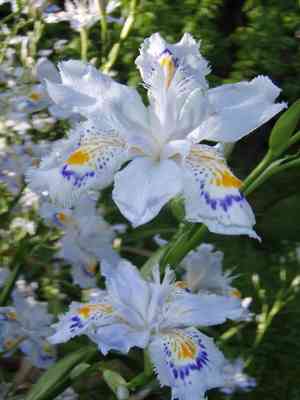
Butterfly-flower (Iris japonica)
Also known as: Fringed Iris, Shaga, Butterfly Flower
Iris japonica, commonly known as the butterfly-flower, originates from China, Japan, and Myanmar. While it is often grown in gardens across the United States and the United Kingdom, care should be taken when handling this attractive perennial. Its sap can irritate the skin, so wearing gloves is advised. Additionally, it is toxic if ingested, so keep it away from pets and children.
Attributes of Butterfly-flower
Images of Butterfly-flower
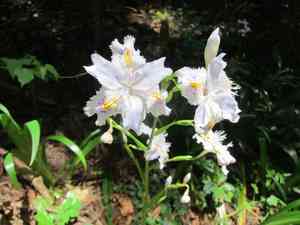
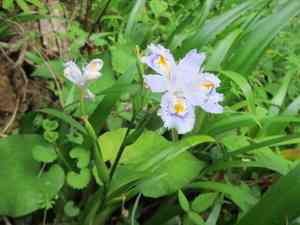

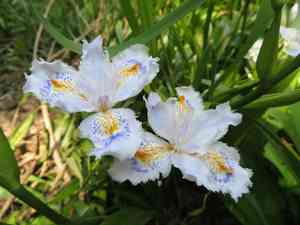
Quickly Identify Butterfly-flower
Scientific Classification of Butterfly-flower
Planting and Growing of Butterfly-flower
 How to Water Butterfly-flower?
 What Are the Sunlight Requirements for Butterfly-flower?
 What Is the Ideal Temperature Range for Butterfly-flower?
 What Soil is Best for Butterfly-flower?
 How to Fertilize Butterfly-flower?
 How to Prune Butterfly-flower?
 How to Propagate Butterfly-flower plant?
 How to Repot Butterfly-flower plant?
Toxicity of Butterfly-flower
Is Butterfly-flower toxic to humans?
The butterfly-flower presents a moderate toxicity risk to humans, potentially leading to allergic reactions. Any part of the plant is toxic, meaning contact can result in poisoning. Poisoning can happen through both skin contact and ingestion. Touching the plant may lead to skin irritation or allergic dermatitis. If consumed, the pentacyclic terpenoids within the butterfly-flower may trigger various symptoms, including gastrointestinal distress like nausea, vomiting, and diarrhea, in addition to possible neurotoxic effects, which could appear as dizziness or headaches. Given its moderate toxicity, individuals should be mindful and take care to prevent accidental ingestion and direct contact with the butterfly-flower.
Is Butterfly-flower toxic to cat?
The butterfly-flower is known to have a moderate toxicity level for cats. These pets can experience poisoning through direct contact with or unintentional ingestion of any part of the plant. Cats are commonly exposed by brushing against the plant or nibbling on its leaves or flowers. Symptoms that may arise in felines following exposure to this toxic plant include indications of physical discomfort, illness, or generalized pain. The toxic components found in butterfly-flower that cause these adverse reactions are recognized as pentacyclic terpenoids. Cat owners should remain watchful, and if poisoning is suspected, it is crucial to seek prompt veterinary assistance.
Is Butterfly-flower toxic to dog?
The butterfly-flower plant species is recognized for its moderate toxicity level to dogs. Exposure may occur through several avenues, including direct contact or unintentional ingestion. Any interaction with or consumption of the plant by dogs poses a risk, as the entire plant is poisonous. The presence of pentacyclic terpenoids in butterfly-flower plays a significant role in its toxic effects when ingested by dogs. Poisoning symptoms can appear in various forms and may encompass gastrointestinal distress, vomiting, diarrhea, lethargy, and potentially more severe reactions, which can depend on the quantity ingested. It is essential for dog owners to vigilantly supervise their pets and restrict access to butterfly-flower, especially if their dog is prone to chewing on plants. Should a dog ingest any part of the butterfly-flower, seeking prompt veterinary assistance is vital to ensure appropriate treatment and symptom management.



