How to Transplant Roast-beef plant?
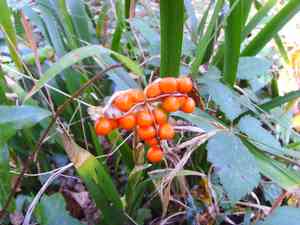
It is advisable to relocate roast-beef plant during the cool period of mid-spring to early summer, to capitalize on periods of rapid development. Select locations offering dappled sunlight and soil that drains effectively. If feasible, preserve the soil ball's structure to facilitate smoother adaptation.
What Preparations are Needed Before Transplanting Roast-beef Plant?
What is the Ideal Time for Transplanting Roast-beef Plant?
The optimal period for relocating roast-beef plant spans from mid-spring to early summer. This timeframe offers a combination of comfortably mild temperatures and consistent moisture, creating an excellent environment for root establishment. Moving roast-beef plant during this window leverages its natural growth cycle, promoting robust development and successful adaptation. Your roast-beef plant will thrive in its new location with vigorous growth and resilience. This favorable timing guides your plant towards success, aligning with nature's supportive rhythms.
How Much Space Should You Leave Between Roast-beef Plant Plants?
When moving roast-beef plant, maintain a separation of approximately 2-3 feet (60-90 cm) between individual plants. This spacing ensures ample room for growth without competition for nutrients, allowing each plant to flourish independently.
What is the Best Soil Mix for Roast-beef Plant Transplanting?
Prepare a soil blend rich in organic matter or compost, as this is beneficial for roast-beef plant. Additionally, incorporate a slow-release granular fertilizer into the soil to provide initial nourishment. This will establish a nutrient-rich foundation for plant development.
Where Should You Relocate Your Roast-beef Plant?
Ideally, select a partially shaded spot for transplanting your roast-beef plant. While this plant can endure full sun, it prefers some shade during the day to shield it from intense sunlight.
What Equipments Should You Prepare Before Transplantation Roast-beef Plant?
Gardening Gloves
To safeguard your hands from sharp roots and ensure a secure grip when handling the roast-beef plant.
Shovel or Spade
Necessary for excavating the plant in most situations and preparing the new planting site.
Hand Trowel
Useful for small, precise digging tasks, such as freeing the plant from small containers or trays.
Gardening Pruners
To trim any damaged roots or foliage prior to transplanting.
Watering Can or Hose
To hydrate the plant before and after the relocation process.
Wheelbarrow (Optional)
Can be helpful for transporting the plant from one spot to another if it is larger in size.
Mulch
To apply around the base of the newly transplanted roast-beef plant to help retain soil moisture.
How Do You Remove Roast-beef Plant from the Soil?
How Do You Remove Roast-beef Plant from the Soil?
From Ground: Start by thoroughly watering the roast-beef plant a few hours before removal to reduce stress on the plant and make the soil easier to work with. Next, dig around the plant using a shovel or spade, ensuring you are far enough away to avoid damaging the root system. Loosen the soil around the plant, then carefully lift it, keeping most of the soil attached to the roots.From Pot: Water the plant well and allow the water to drain completely first. Turn the pot on its side, gently hold the plant by its stems or leaves, and tap the bottom of the container until the plant slides out. You might need a hand trowel if it's stuck to the pot. Remember to handle the plant with care to prevent root damage.From Seedling Tray: Water the seedlings first. Gently use your fingers or a small gardening tool to lift the roast-beef plant by the root ball, not the stem. Handle it carefully to avoid any damage to the young plant.
Step-by-Step Guide for Transplanting Roast-beef Plant
Preparation
Prepare the new planting hole before extracting the roast-beef plant from its current location. Make the hole at least twice as wide and as deep as the plant's root ball, to facilitate root spread and establishment.
Placement
Position the roast-beef plant in the center of the hole, ensuring that the top of the root ball is level with the surrounding ground.
Backfill
Refill the hole with the excavated soil, gently firming it around the rootball without excessive compaction, which could hinder root growth. Water the plant immediately afterward to settle the soil.
Mulching
Spread mulch around the base of the roast-beef plant, which aids in retaining soil moisture and suppressing weeds. Avoid piling it against the stem, as this can attract pests and diseases.
How Do You Care For Roast-beef Plant After Transplanting?
Watering
Provide the roast-beef plant with a thorough watering after the transplanting process and subsequently as needed; avoid overwatering or allowing it to dry out. The plant will require consistent moisture while it recovers and establishes in its new spot.
Monitoring
Observe for indications of transplant shock, such as yellowing or wilting leaves. Do not be overly concerned if the roast-beef plant initially appears stressed; transplanting is demanding, and it's normal for the plant to take a few weeks to recover.
Pruning
Trim any parts of the plant that appear to be dying or wilting after transplant to direct the plant's energy towards root establishment.
Staking
If your roast-beef plant is tall or unstable, consider providing support until it has developed stronger roots. Shield the roast-beef plant from harsh weather conditions until it is fully established.
Troubleshooting Common Issues with Roast-beef Plant Transplantation.
When is the ideal period to transplant roast-beef plant?
The optimal time to move roast-beef plant is from late spring to mid-summer. Avoid extremely hot or cold seasons for a successful transplant.
How much space should I leave between each roast-beef plant during transplant?
When transplanting roast-beef plant, ensure there's approximately 2-3 feet (60-90 cm) between each plant. This helps them grow optimally without crowding each other.
What's the best soil type for transplanting roast-beef plant?
Roast-beef plant thrives in well-drained, fertile soil. Soil that is too dense or clay-heavy may impede the plant's root growth.
How deep should I plant roast-beef plant during transplant?
For roast-beef plant, excavate a hole that is twice as wide and as deep as the root ball. The top of the root ball should be flush with the ground surface.
What kind of aftercare does roast-beef plant need after transplant?
After transplant, roast-beef plant requires regular watering, especially for the initial few weeks. Monitor the plant for any signs of transplant shock, such as wilting or leaf discoloration.
Should I prune roast-beef plant before or after transplanting?
Pruning roast-beef plant before transplanting can alleviate stress on the roots and help the plant establish more quickly. Do not remove more than one-third of the plant.
What possible issues will I encounter while transplanting roast-beef plant?
Potential problems include poor root development, the plant failing to settle, or the onset of disease due to weakened immune responses after transplant.
Should I fertilize roast-beef plant immediately after transplanting?
No, roast-beef plant does not require immediate fertilization after transplanting. Wait until it is fully established, which may take several weeks.
What is the correct way to water roast-beef plant after transplanting?
After transplanting, deeply water roast-beef plant. However, avoid waterlogging or overwatering, as this can lead to root rot or fungal diseases.
How do I know if roast-beef plant transplant was successful?
A successful transplant of roast-beef plant will be indicated by new growth, typically observed as fresh budding leaves. Any wilting or color change in leaves may suggest problems.



