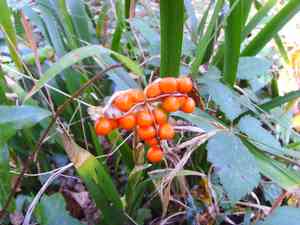
Roast-beef plant(Iris foetidissima)

Roast-beef plant (Iris foetidissima)

Also known as: Gladdon, Spurge plant, Gladwin iris

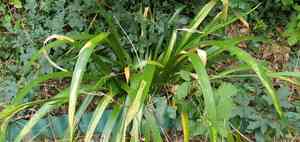
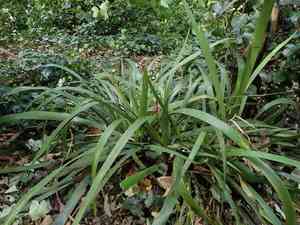
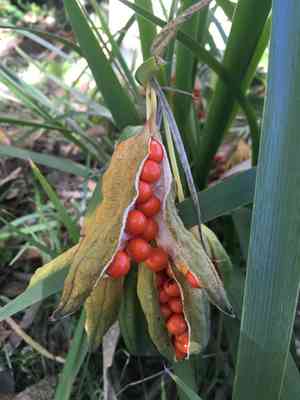
The roast-beef plant (Iris foetidissima), commonly known as the stinking iris, is a perennial from the iris family, native to Europe. It earns its unusual name from the odor released when its leaves are crushed. While the flowers are quite lovely, it's the clusters of vivid orange-red seeds that appear in the autumn which truly stand out as the plant's most appealing feature.

Attributes of Roast-beef plant

Lifespan
Perennial
Plant Type
Herb
Plant Height
75 cm
Spread
45 cm
Leaf Color
Green
Flower Size
10 cm
Flower Color
Yellow Purple Violet

ForwardPlant - Identify plants with a snap

Identify and diagnose plants, get toxicity alerts, and explore safety guides for all types of fungi.

Try for Free

Images of Roast-beef plant

Roast-beef plant(Iris foetidissima)

Quickly Identify Roast-beef plant

1
Evergreen foliage forms clumps up to 18 inches (45 cm) tall and 2 feet (60 cm) wide.
2
Sword-shaped leaves provide a lush appearance year-round.
3
Produces light blue flowers barely surpassing foliage in mid-spring.
4
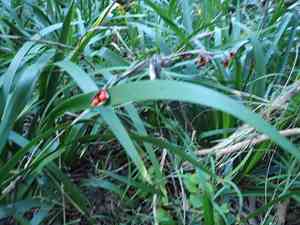
Striking orange-red seeds in elongated pods split open in fall.
5
Distinctive rhizomatous base and ornamental value set roast-beef plant apart.

Scientific Classification of Roast-beef plant

Phylum
Vascular plants
Class
Monocotyledons
Order
Asparagales
Family
Iris
Genus
Irises
Species
Roast-beef plant

Planting and Growing of Roast-beef plant

Care Difficulty
Easy
Watering Schedule
Every 2 days
Sunlight Requirements
Partial sun
Sunshine Duration
6-10 hours
Ideal Temperature
60-75℉
Soil Type
Potting Mix, Peat Mix
Soil pH
6.5-7.5
Fertilizer Type
Balanced
Pruning Season
Spring, Summer
Pruning Area
Branches, Leaves
Pruning Frequency
2 times a year
Repotting Season
Spring
Pot Type
Plastic, Ceramic

water icon How to Water Roast-beef plant?

For Iris foetidissima, aim to water around 500 ml, enough to moisten the soil thoroughly but not so much that it becomes waterlogged. A deep watering encourages root growth and ensures the plant gets enough moisture.
What are the symptoms of an underwatered Roast-beef plant?
What should I do if my Roast-beef plant is not getting enough water?
What are the symptoms of an overwatered Roast-beef plant?
How to save an overwatered Roast-beef plant?
More About Watering Techniques

sunlight icon What Are the Sunlight Requirements for Roast-beef plant?

Sunlight Requirements: Partial sun
Duration of light: 4-6 hours daily
Iris foetidissima thrives best in partial sun conditions, such as light morning sun and afternoon shade. This balance helps maintain vibrant growth, robust foliage, and blooming, while protecting from excessive heat.
What is the best location for Iris foetidissima?
How can one ensure optimal sunlight for Iris foetidissima?
What benefits does Iris foetidissima gain from ideal lighting?
More About Sunlight Requirements Techniques

temperature icon What Is the Ideal Temperature Range for Roast-beef plant?

Ideal Temperature: 60 ~ 75℉
The ideal temperature range for Iris foetidissima, commonly known as the stinking iris, is between 60°F and 75°F. This range supports optimal growth, as it allows the plant to photosynthesize efficiently and maintain healthy metabolic processes. During this range, the plant is less stressed and is better able to produce vibrant blooms and foliage.

soil icon What Soil is Best for Roast-beef plant?

Soil type: Loam, Clay soil, Acidic soil
Soil PH: 6.5 ~ 7.5
Iris foetidissima thrives in nutrient-rich soil as it provides essential minerals and elements required for robust growth. Proper fertilization ensures vibrant blooms and healthy foliage. This plant requires well-draining soil to prevent root rot and other waterlogged-related issues. Proper drainage helps maintain root health by allowing excess water to flow away easily. While good drainage is crucial, the soil should also retain sufficient moisture to keep the roots hydrated. A balance between drainage and retention supports steady growth and survival through dry spells. More About Soil

fertilize icon How to Fertilize Roast-beef plant?

Fertilizer type: Balanced
Iris foetidissima typically requires a moderate amount of fertilizer. During the growing season, a balanced 10-10-10 liquid fertilizer should be applied at half strength to avoid nutrient overload. For slow-release fertilizers, use according to package instructions usually specifying 1-2 tablespoons per plant. More About Fertilizing Techniques

prune icon How to Prune Roast-beef plant?

Pruning Time: Spring, Autumn
Be cautious not to cut or damage any new growth while pruning. New growth is essential for the plant's future appearance and health, and damaging it can set the plant back significantly. Always disinfect your pruning tools before and after use to prevent the spread of disease. A simple solution of diluted bleach can be effective for ensuring your tools are clean and safe for use on multiple plants. Iris foetidissima does not require heavy pruning. Avoid removing more than one-third of the plant at a time, as over-pruning can stress the plant, making it more susceptible to disease and pest infestations. More About Pruning Techniques

propagate icon How to Propagate Roast-beef plant plant?

Propagate Time: Spring, Early summer, Late summer
1
Harvest seeds from mature Iris foetidissima pods in late summer. Ensure pods are dry before collection as this indicates seed ripeness. Store seeds in a cool, dry place until you're ready to plant.
2
Divide mature plants in early spring or late summer. Carefully dig up established clumps without damaging the roots. Use a clean knife or hand saw to slice through clumps, ensuring each division has a healthy root system.
3
For seeds, sow them in pots using well-draining soil and cover lightly. For divisions, plant them at the same depth as their original growing position. Water immediately to help establish new growth.
More About Propagating Techniques

repot icon How to Repot Roast-beef plant plant?

Repotting frequency: Every three years
1
Iris foetidissima shows signs of needing repotting when its roots outgrow the container, causing it to become root-bound. This usually manifests as slower growth or water not draining properly from the pot. Ideally, repotting should be carried out during the spring or autumn when the plant enters a less active growth phase, minimizing stress.
2
Opt for a pot that is 2-3 inches wider in diameter than the current pot, allowing extra room for root growth and preventing premature crowding. Drainage holes are essential to prevent waterlogging, which can lead to root rot. Using a pot with sufficient permeability ensures the roots receive adequate airflow.
3
Selecting a well-draining loamy soil is important for Iris foetidissima as it mimics its natural habitat. The right soil composition ensures that water doesn't pool at the roots, which is crucial to avoid rotting. Incorporating organic matter like compost aids in nutrient retention, supporting robust growth.

ForwardPlant - Identify plants with a snap

Find the best spots for them to optimize their health, simply using your phone.

Try for Free

Toxicity of Roast-beef plant

Is Roast-beef plant toxic to humans?

The roast-beef plant exhibits a moderate degree of toxicity and may provoke allergic responses in humans. Any contact with the plant, as it is entirely toxic, can result in skin irritation or allergic dermatitis. Ingesting roast-beef plant is especially alarming due to the presence of pentacyclic terpenoids, which may induce systemic toxicity. Poisoning symptoms may encompass gastrointestinal disturbances, including nausea, vomiting, and diarrhea, alongside possible neurotoxic effects such as dizziness and headache. The severity of symptoms can differ depending on the volume of plant material consumed or the individual's sensitivity. Accidental consumption of the roast-beef plant should be strictly avoided, and precautions should be employed while handling the plant to prevent skin exposure.

Is Roast-beef plant toxic to cat?

The roast-beef plant is recognized as possessing moderate toxicity for cats. These pets can suffer poisoning through skin contact or accidental ingestion of the plant. Since all parts of the roast-beef plant are toxic, cats face risks regardless of which section they may interact with. In the event of poisoning, affected cats may show signs of physical discomfort, and prompt veterinary intervention from a professional is essential. The harmful compounds found in roast-beef plant include pentacyclic terpenoids, which are responsible for its toxic properties. It is vital for cat owners to keep a close watch on their pets and ensure they do not have access to roast-beef plant to protect their well-being.

Is Roast-beef plant toxic to dog?

The plant species under consideration presents a moderate risk of toxicity for dogs. Canines may experience poisoning from the roast-beef plant through skin contact or accidental consumption. Upon exposure to this plant, dogs may show a range of symptoms that suggest poisoning. It is essential for dog owners to recognize that the entire plant is toxic and to implement preventive measures to keep their pets safe from contact with or ingestion of any part of it. If a dog does encounter or consume the roast-beef plant, they must be taken to a veterinary clinic without delay for suitable treatment.

Identify toxic plants for your safety

Learn which plants are harmful to you and your pets, and make informed choices for a safer home!

Try for Free
WARNING
The judgment on toxicity and danger is for reference only. We DO NOT GUARANTEE any accuracy of such judgment. Therefore, you SHALL NOT rely on such judgment. It is IMPORTANT TO SEEK PROFESSIONAL ADVICE in advance when necessary.
More About Toxic Techniques