How to Prune Roast-beef plant?
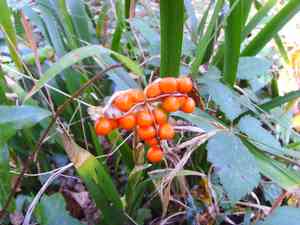
Recognized for its vibrant fruit and persistent leaves, roast-beef plant thrives with judicious trimming to preserve its form and stimulate robust development. Throughout the year, remove any deceased or compromised leaves, focusing on elongated stalks to foster a more compact habit. The most opportune period for a comprehensive cutback is in late winter or early spring, prior to the emergence of new shoots. Trimming this variety can heighten its decorative value and avert excessive density, guaranteeing its unique attributes remain prominent in the landscape.
Advantages of Trimming Roast-beef Plant
Advantages of Trimming Roast-beef Plant
Trimming roast-beef plant helps encourage its distinct flower production, ensures strong development, and keeps its form manageable. Correct trimming is crucial for improving roast-beef plant's aesthetic appeal and vitality.
Optimal Period for Trimming Roast-beef Plant
Optimal Period for Trimming Roast-beef Plant
Trimming roast-beef plant from late winter to early spring is recommended as it prepares the plant for a robust growth phase beginning in spring. This timing allows for the removal of any winter-damaged or dead foliage without hindering the plant's ability to produce flowers, since roast-beef plant typically blooms in summer. Furthermore, pruning during this window helps preserve the plant's shape and health without the danger of frost damage to fresh cuts, as temperatures start to rise. Additionally, removing seedpods after seed dispersal can promote a neat appearance without affecting the plant's propagation for the subsequent year. While roast-beef plant can technically endure pruning year-round, the specified period aligns with the plant's dormant and pre-growth stages, ensuring minimal stress and optimal recovery.
Tools Required for Trimming Roast-beef Plant
Bypass Pruners
Perfect for making clean cuts on roast-beef plant's leaves and flower stalks. These pruners operate like scissors and are less likely to crush plant tissues, promoting healthier regrowth.
Garden Scissors
Useful for more delicate trimming tasks, such as snipping off faded blooms or shaping the plant. They offer precision without causing unnecessary harm to roast-beef plant.
Long-handled Loppers
When roast-beef plant has matured and developed thicker stems, long-handled loppers can cut through them with greater leverage and ease, reducing strain on the gardener's hands.
How to Trim Roast-beef Plant
Identify Areas
Locate and mark the diseased leaves, withered leaves, dead branches, diseased branches, and faded flowers on roast-beef plant.
Disinfect Tools
Sanitize pruning shears or scissors before trimming to prevent disease transmission to healthy parts of roast-beef plant.
Remove Diseased And Dead Material
Carefully cut away the diseased leaves, withered leaves, and dead or diseased branches from roast-beef plant without harming healthy tissue. Make cuts at a slight angle just above a bud for branches and at the base for leaves and flowers.
Shape Plant
Thin out congested areas to improve air circulation and light penetration, which will enhance the health of roast-beef plant.
Cleanup
Clear away all removed plant material from the base of roast-beef plant to lessen the risk of disease and pest infestation.
Common Trimming Errors with Roast-beef Plant
Over-Pruning
Removing too much foliage from roast-beef plant at once can stress the plant and lead to reduced vigor or flowering. It's crucial to prune sparingly and focus on dead or damaged sections.
Improper Cut Location
Cuts made too far from the growth node or crown can leave stubs vulnerable to disease and decay. Conversely, cutting too close can damage the growth node.
Trimming Healthy Foliage
It's a mistake to trim healthy leaves, as roast-beef plant requires them for photosynthesis and overall well-being. Concentrate on removing only what is necessary.
Ignoring Plant Shape
Not considering the natural form of roast-beef plant can result in an unbalanced appearance and negatively impact its growth. Aim to maintain the plant's structure while trimming.
General Trimming Advice for Roast-beef Plant
Sharp Tools
Utilize sharp, clean pruning shears or scissors to make precise cuts. This helps ensure a clean cut that heals quickly, preventing disease.
Deadheading
Remove spent blooms of roast-beef plant to encourage more flowers and prevent the plant from expending energy on seed production, unless the colorful seed pods are desired for visual appeal.
Cleaning-Up
Regularly remove dead or dying leaves from roast-beef plant, which helps reduce the risk of fungal infections and other diseases that thrive on decaying plant matter.
Post-Flowering Shape
After roast-beef plant finishes flowering, trim away old flower stems and any foliage that appears damaged or diseased, to maintain aesthetics and encourage healthy new growth.



