How to Propagate Roast-beef plant?
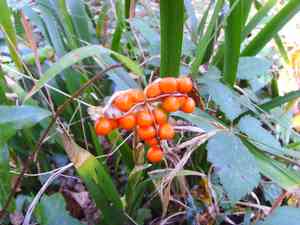
Originating from forest margins and shaded areas, roast-beef plant is readily multiplied by dividing its fleshy underground stems. Cultivators ought to gently detach the rhizomes subsequent to blooming, making certain each piece possesses a minimum of one budding point. Re-establishing them in permeable soil enriched with compost fosters robust development. While roast-beef plant's seeds are fertile, they may require multiple years to flower, rendering rhizome separation the quicker approach for reproduction.
Optimal Time for Roast-beef Plant Propagation
Propagation Method
Utilize The Tubers
Propagation Period
Spring
Tools for Roast-beef Plant Propagation
Garden Trowel
A garden trowel is crucial for digging and working in confined areas, making it perfect for carefully extracting roast-beef plant tubers. Its pointed blade allows for precise control when unearthing tubers, vital for preserving their integrity and ensuring successful replanting.
Pruning Shears
Sharp pruning shears are essential for making clean cuts through roots when dividing roast-beef plant tubers. This ensures each section has a neat cut, which helps prevent disease and promotes faster healing and new root development.
Watering Can with Fine Rose
After replanting tubers, a watering can with a fine rose attachment provides gentle, even water distribution, which is critical for newly planted roast-beef plant tubers. It helps keep the soil moist without disturbing the planting medium or dislodging the tubers.
Label and Permanent Marker
Labels with a permanent marker are important for recording details like replanting dates and plant types, especially useful when growing multiple roast-beef plant varieties. Proper labeling aids in tracking growth and care needs.
Post-Propagation Care for Roast-beef Plant
Post-Propagation Care for Roast-beef Plant
After propagation, keep the soil around roast-beef plant consistently moist but ensure good drainage to prevent root rot. Position plants where they receive partial to full sunlight. As they mature, apply a balanced, slow-release fertilizer each early spring to support growth and flowering. Regularly check for pests and diseases, treating issues promptly to maintain plant health.
Common Errors to Avoid When Propagating Roast-beef Plant
Overwatering
Propagating roast-beef plant requires moderate watering to prevent root rot. Excessive watering can lead to waterlogged soil, causing roots to decay and hindering the plant's establishment.
Deep planting
When planting roast-beef plant seeds or divisions, placing them too deep in the soil can inhibit germination or new shoot growth. This can impede successful propagation as roast-beef plant seeds need light to germinate effectively.
Ignoring soil composition
Using an unsuitable soil mix can hinder the root development of roast-beef plant. The plant prefers well-draining soil that retains some moisture but avoids waterlogging.
Neglecting divisions
Failure to properly divide rhizomes can lead to overcrowding and reduced flowering in roast-beef plant. Incorrect division practices can damage the plant or result in less vigorous growth.
Advice for Propagating Roast-beef Plant
Seed surface sowing
Sowing roast-beef plant seeds on the soil surface and gently pressing them in ensures they receive adequate light for germination while maintaining good soil contact.
Adequate spacing
Providing sufficient space between each division or seed when propagating roast-beef plant allows each plant to receive ample nutrients and reduces competition, leading to healthier growth.
Rhizome inspection
Before dividing, examine roast-beef plant rhizomes for signs of disease or rot. Only using healthy sections will increase the chances of successful propagation.
Proper soil moisture
Maintaining consistent, moderate soil moisture without waterlogging is crucial for roast-beef plant to develop strong roots. Periodic watering should be based on soil dryness.



