How to Transplant Hooker's inula?
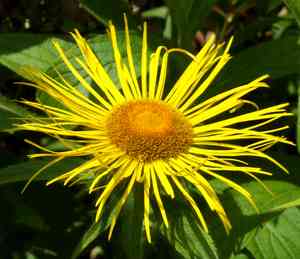
The most favorable period to move hooker's inula is in the prime of early to mid-spring, leveraging ideal conditions for development. Select a location bathed in sunlight with soil that drains effectively. Recommendation: Emphasize the fertility of the soil to guarantee hooker's inula's successful establishment after being transplanted.
What Preparations are Needed Before Transplanting Hooker's Inula?
What is the Ideal Time for Transplanting Hooker's Inula?
The optimal period for moving hooker's inula is the lively freshness of mid to late spring. This timeframe allows hooker's inula's root system to become established before summer. The pleasant warmth combined with the season's consistent moisture promotes root development, increasing hooker's inula's likelihood of flourishing in its new spot. Choosing this transplanting window ensures vigorous growth and beauty for your hooker's inula, adding a lush appeal to your garden's design.
How Much Space Should You Leave Between Hooker's Inula Plants?
When preparing to rehome your hooker's inula, ensure sufficient room around each specimen. I recommend a spacing of approximately 2-3 feet (60-90 cm). This helpful guidance will enable your hooker's inula to expand freely and beautifully without competing for nutrients and sunlight.
What is the Best Soil Mix for Hooker's Inula Transplanting?
For hooker's inula, soil that drains well is essential! Incorporate some organic material to boost soil fertility and remember to add a basic slow-release fertilizer prior to planting. A positive beginning for your hooker's inula guarantees a successful growth journey!
Where Should You Relocate Your Hooker's Inula?
Sunlight helps hooker's inula thrive! Select a bright location in your garden where your plant can absorb ample rays. It tolerates partial shade as well, so don't worry if it's somewhat dappled. Happy gardening!
What Equipments Should You Prepare Before Transplantation Hooker's Inula?
Gardening Gloves
To safeguard your hands from any harm while extracting and replanting the specimen.
Small Shovel/Hand Trowel
To dig out the plant and create a cavity in its new position.
Garden Spade
This will be necessary for making larger holes if the plant is bigger.
Gardening Fork
This implement will be useful for loosening the soil without harming the roots.
Watering Can
Crucial for hydrating the plant after its relocation.
Support Stake
If your hooker's inula plant is tall, a stake can assist in supporting it post-transplant.
How Do You Remove Hooker's Inula from the Soil?
How Do You Remove Hooker's Inula from the Soil?
From Ground: Hydrate the hooker's inula plant to moisten the surrounding soil. Use a hand trowel or garden fork to dig around the roots, ensuring a safe distance to avoid damage. Gently lift the plant from its current spot.From Pot: Make sure to thoroughly water the hooker's inula plant before beginning the process. Turn the container sideways, hold the plant steady, then tap the pot's rim against a firm surface. This helps loosen the soil, allowing the plant to slide out easily.From Seedling Tray: First, water the seedlings well. Next, carefully pry the hooker's inula seedling using a dibber or any slender, blunt tool by pushing into the soil and lifting it upwards.
Step-by-Step Guide for Transplanting Hooker's Inula
Preparation
Before extracting the hooker's inula from its original spot, prepare its new planting hole. The hole should be twice the width of the current root ball but the same depth.
Removal
Follow the appropriate extraction instructions from above based on whether your plant is in the ground, a container, or a seedling tray.
Place in New Hole
Position the hooker's inula plant in the center of the hole. The top of the root ball should be level with the ground surface.
Refill
Carefully backfill the hole with soil, ensuring you do not bury the stem.
Water
Thoroughly water the plant to settle the soil around its roots.
How Do You Care For Hooker's Inula After Transplanting?
Regular Check
Observe the hooker's inula plant for a week to confirm it is adjusting to its new surroundings. If the plant appears wilted, it might require more water. Shield the plant from strong winds and move it if necessary.
Trimming
Prune any dead or damaged foliage so that the hooker's inula plant can concentrate on establishing its roots. However, avoid excessive pruning, as the plant needs its leaves for photosynthesis.
Pest Control
Regularly inspect your hooker's inula plant for any pest infestations. If you notice any signs of pests or disease, treat it immediately to prevent its spread.
Troubleshooting Common Issues with Hooker's Inula Transplantation.
When's the best time to transplant hooker's inula?
The optimal period to transplant hooker's inula is during late spring to early summer (S2-S3). This is when the plant has the highest chance of recovery.
What's the suggested space between each hooker's inula when transplanting?
A suitable spacing for hooker's inula is approximately 2-3 feet (60-90 cm). This provides the plant with ample room to expand.
What should I do if the leaves of my transplanted hooker's inula begin to wilt?
Hooker's inula's leaves may wilt due to relocation shock. Ensure adequate hydration without overwatering, and maintain partial shade.
Why did my transplanted hooker's inula fail to bloom after transplantation?
Hooker's inula may require time to settle in its new location. Allow it some time, ensuring it receives sufficient water and sunlight.
Should I prune hooker's inula before transplanting it?
Pruning is not essential but can be beneficial. Removing a third of the growth reduces the plant's need for water and nutrients.
How can I ensure my hooker's inula adapts well after transplantation?
Regularly water the plant and keep it in partial shade. This will aid its adaptation until the roots become established.
How deep should the transplanting hole be for hooker's inula?
The transplanting hole for hooker's inula should be twice as wide and precisely as deep as the plant's root ball.
Why is my transplanted hooker's inula developing yellow leaves?
Yellow leaves can indicate excessive water or a nutrient deficiency. Drain surplus water and ensure the soil is rich in nutrients.
Why does my hooker's inula's growth stagnate after transplantation?
Transplant shock could be the cause. It's normal for growth to slow as the plant adjusts to its new environment.
What type of soil is best for transplanting hooker's inula?
Hooker's inula prefers rich, well-drained soil. Amend the transplant hole with compost to enhance soil structure, fertility, and moisture retention.



