How Much Sunlight Do Hooker's inula Need?
1
Hooker's inula flourishes with 3-6 hours of direct sun each day.
2
It withstands full sun exposure but favors partial sun for peak development.
3
Excessive light may lead to burned leaves, whereas insufficient light can impede blooming.
Optimal Light Conditions for Hooker's Inula
Full Sun Requirements
For those with bright, sunny gardens, Hooker's inula can indeed thrive in full sun. This means it can flourish with over 6 hours of direct sunlight daily. However, close monitoring is crucial to prevent leaf burn, especially during peak summer when sun intensity is highest.
Partial Sun Considerations
Hooker's inula truly excels in partial sun conditions. Ideally, it should receive approximately 3-6 hours of sunlight each day. Morning sun, being less intense than afternoon sun, can be particularly beneficial. This balance ensures adequate light for photosynthesis without the risk of scorching.
Seasonal Light Variations
Sunlight conditions naturally change with the seasons. During spring and fall, your Hooker's inula will likely receive more moderate sunlight. However, in summer, light intensity and duration increase. It's vital to adjust the plant's location or use protective measures like garden screens to shield it from excessive direct sun. Conversely, in winter, ensure it gets as much available light as possible, perhaps by placing it near a sunny window if grown indoors.
Why Light is Essential for Hooker's Inula Growth
Photosynthesis and Energy Production
Sunlight is the primary energy source for photosynthesis, the process by which Hooker's inula generates the energy needed for growth. During photosynthesis, the plant converts sunlight into chemical energy, fueling its development, supporting flower formation, and maintaining overall health. Without sufficient light, this process slows, negatively impacting the plant's vitality.
Impact on Flowering and Blooming
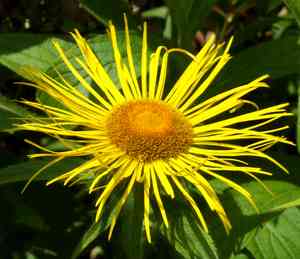
Hooker's inula is renowned for its beautiful yellow blossoms, which can brighten any garden. Sunlight plays a critical role in the flowering process. Adequate light stimulates flower production, whereas insufficient light can lead to fewer blooms. Ensuring your plant receives the correct amount of light will reward you with a more vibrant and flourishing display.
How to Optimize Light Exposure
Choosing the Right Location
When planting Hooker's inula, selecting the optimal site is crucial for ensuring it receives the appropriate amount of sunlight. Look for garden spots that get morning sun and some afternoon shade. If growing in a pot, you can easily relocate the plant as needed to different areas of your garden or patio to adjust for changing light conditions.
Using Garden Tools and Accessories
Tools like garden shades, reflective surfaces, or even nearby taller plants can help manage the amount of sunlight your Hooker's inula receives. Garden shades can offer relief from intense afternoon sun, while reflective surfaces can direct more light onto the plant in otherwise shaded areas. These tools can help create an ideal environment for your plant.
Monitor and Adjust Light Exposure
Regularly observing your Hooker's inula for signs of too much or too little sun will help you make necessary adjustments. If you notice symptoms of leaf scorch (brown, dry patches on leaves), it's a clear indication the plant is getting too much direct sunlight. Conversely, leggy growth or pale leaves can indicate insufficient light. Moving the plant or adjusting garden shades can help achieve the perfect balance.
Common Light-Related Issues and Solutions
Signs of Excessive Sunlight
Leaf scorch is a common problem when Hooker's inula receives too much sun. Symptoms include browning or drying of leaf edges and tips. To prevent this, consider providing some shade during the hottest parts of the day or moving the plant to an area that receives partial sunlight.
Addressing Insufficient Sunlight
When Hooker's inula doesn't get enough light, it will exhibit signs such as elongated stems, fewer blooms, and pale or yellowing leaves. If growing the plant indoors, place it near a south-facing window or consider using grow lights to supplement natural sunlight. Moving outdoor plants to a sunnier spot can also help.



