How to Prune Hooker's inula?
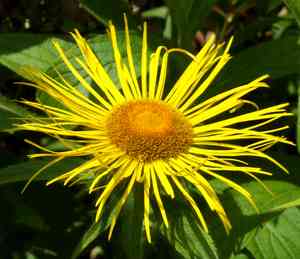
Celebrated for its brilliant yellow daisy-like blossoms, hooker's inula flourishes with consistent trimming to preserve its form and stimulate additional flowering. Remove faded flowers throughout spring and summer to foster a subsequent burst of blooms. In autumn, once flowering concludes, perform a severe prune for revitalization. This action also hinders seed production and preserves the plant's vitality. Such practices aid in sustaining its strength and guaranteeing a vigorous presentation for the subsequent year. Judicious pruning complements hooker's inula's developmental rhythm for peak plant well-being.
What Are the Benefits of Pruning Hooker's Inula?
What Are the Benefits of Pruning Hooker's Inula?
Trimming hooker's inula promotes abundant flowering and revitalizes growth, ensuring the plant keeps a desirable, compact shape. This practice is crucial for the plant's look and well-being, reducing potential disease spread.
What Is the Best Time for Pruning Hooker's Inula?
What Is the Best Time for Pruning Hooker's Inula?
Pruning in spring aligns with hooker's inula's initial growth phase, allowing the plant to recover and direct energy into new development effectively. Late summer to early fall is suitable as hooker's inula has finished its blooming period, typically lessening stress on the plant. Pruning at this time prepares hooker's inula for winter dormancy and encourages healthy bud formation for the subsequent growing season, while minimizing the risk of disease and pest infestation that can occur with late fall or winter pruning.
What Tools Do I Need to Prune Hooker's Inula?
Bypass Pruners
Ideal for making precise cuts on hooker's inula's smaller, green stems and faded flowers. The bypass action allows for clean cuts that encourage healthy regrowth.
Garden Shears
Suitable for trimming hooker's inula's foliage and shaping the plant. The longer blades enable even cutting over a larger area, which is useful for maintaining hooker's inula's bushy growth.
Loppers
Effective for cutting through hooker's inula's thicker stems or branches that are too large for bypass pruners. The extended handles provide leverage to make pruning less strenuous.
Pruning Saw
Necessary for removing any mature, woody stems of hooker's inula that loppers cannot handle. A pruning saw helps in making clean cuts through thicker growth.
How to Prune Hooker's Inula
Clean pruning tools
Clean and sterilize all pruning tools using a solution of 1 part bleach to 9 parts water to prevent the spread of disease to hooker's inula.
Remove diseased leaves
Carefully trim any diseased leaves from hooker's inula using sharp, sterilized shears. Make the cut at the base of the leaf stem to avoid leaving stubs that could harbor pathogens.
Cut withered leaves
Remove withered leaves from hooker's inula to promote healthy growth and air circulation. Cut these leaves at their base, but be cautious not to damage new growth or nearby healthy foliage.
Deadhead withered flowers
Deadhead withered flowers on hooker's inula by snipping off each spent bloom at the base of its stem. This encourages hooker's inula to focus energy on vegetative growth and potential new blossoms.
Clean up
Collect and dispose of all the removed material away from hooker's inula to reduce the chance of pests and diseases. Clean the tools again after pruning.
Common Pruning Mistakes with Hooker's Inula
Over-Pruning
Cutting back too much of hooker's inula at once can stress the plant, leading to stunted growth or failure to bloom. Prune no more than one-third of the plant to maintain its health.
Improper Tool Use
Using dull or dirty pruning tools can damage the stems of hooker's inula, leading to uneven cuts that may invite disease and pests.
Pruning Healthy Growth
Removing too much healthy growth can reduce the blooming potential of hooker's inula. Only prune dead or overgrown stems to encourage a fuller plant.
Irregular Pruning
Neglecting to prune hooker's inula or pruning at irregular intervals can lead to leggy growth and fewer flowers. Regular maintenance is key to sustaining the plant's vigor.
Ignoring Plant Shape
Failing to consider the natural shape of hooker's inula during pruning can lead to an unnatural appearance and diminished plant health.
Common Pruning Tips for Hooker's Inula
Selective Pruning
Focus on thinning out crowded stems and removing only the oldest stems at the base to promote air circulation and encourage fresh growth in hooker's inula.
Cutting Technique
Make clean cuts at a 45-degree angle just above a bud or branching point for hooker's inula, which encourages new growth in the desired direction without harming the plant.
Tool Maintenance
Keep pruning tools sharp and clean for hooker's inula, ensuring clean cuts that heal quickly and minimize the risk of disease.
After-Bloom Care
Prune spent flowers promptly to stimulate hooker's inula for potential secondary blooming and to prevent the plant from putting energy into seed production.
Health Assessment
Regularly inspect hooker's inula for signs of disease or pest infestation when pruning. Remove any affected areas promptly to prevent the spread to healthy growth.



