How to Transplant Poor man's rhododendron?
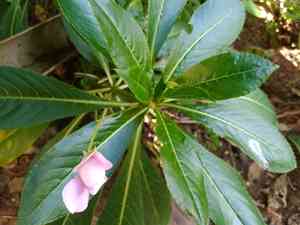
Relocate poor man's rhododendron during the mild temperatures of early to mid-spring, fostering vigorous development. Select a location with partial shade and damp, adequately draining earth. Handle the root system carefully to minimize shock and enhance successful integration.
What Preparations are Needed Before Transplanting Poor Man's Rhododendron?
What is the Ideal Time for Transplanting Poor Man's Rhododendron?
The optimal period for relocating poor man's rhododendron is at the start of its active growth, specifically early to mid-spring. Moving poor man's rhododendron during this window encourages strong root development, aligning with its natural growth cycle for healthy progress. This timing supports smooth adaptation to the new environment, utilizing mild temperatures and increasing daylight to foster vigorous growth. Transplanting poor man's rhododendron now establishes a firm base for a lush and vibrant display throughout warmer months.
How Much Space Should You Leave Between Poor Man's Rhododendron Plants?
When getting ready to transplant poor man's rhododendron, ensure sufficient room for each plant to expand. Aim for approximately 3-4 feet (90-120 cm) between them. This will provide poor man's rhododendron the necessary space to thrive and flourish.
What is the Best Soil Mix for Poor Man's Rhododendron Transplanting?
For poor man's rhododendron, a fertile, well-draining soil is perfect. Consider mixing compost or organic material into the existing soil for added nutrients. Also, apply a slow-release, granular fertilizer before planting to supply essential nourishment.
Where Should You Relocate Your Poor Man's Rhododendron?
Select a spot for poor man's rhododendron that receives ample indirect sunlight. While this plant enjoys light, direct sun can scorch its leaves. The best locations offer morning sun and afternoon shade or filtered light throughout the day.
What Equipments Should You Prepare Before Transplantation Poor Man's Rhododendron?
Gardening Gloves
To safeguard your hands from scrapes and contact with any harmful substances while working with the soil for poor man's rhododendron.
Hand Trowel
For precise excavation when removing the poor man's rhododendron plant from its initial spot.
Spade or Shovel
For the actual process of moving the plant into the garden bed.
Watering Can
To hydrate the plant post-transplant, ensuring it begins to establish in its new location.
Garden Pruners
For trimming any dead or withered parts of the plant during the transplanting process, promoting healthy growth.
Organic Compost
A vital component of the soil mixture that will supply nutrients for the poor man's rhododendron.
Mulch
To help stabilize soil temperature and keep the roots of poor man's rhododendron moist.
How Do You Remove Poor Man's Rhododendron from the Soil?
How Do You Remove Poor Man's Rhododendron from the Soil?
From Ground: Begin by watering the poor man's rhododendron plant to moisten the soil, which will facilitate digging. Using a hand trowel, excavate a wide trench around the plant, ensuring the root ball remains intact. Carefully slide the spade beneath the root ball and lift the poor man's rhododendron plant without harming the roots.From Pot: Gently ease your plant out of the pot by tilting it and supporting the plant at its base with your other hand. If the plant doesnât come out easily, avoid pulling; instead, tap the bottom and sides of the pot to loosen it.From Seedling Tray: After identifying a healthy poor man's rhododendron seedling, carefully hold it by its leaves (not the stem) and lift. If resistance is encountered, use a dibber or pencil to push the compost up from the base of the cell or pot.
Step-by-Step Guide for Transplanting Poor Man's Rhododendron
Digging Hole
You need to excavate a hole that is twice as wide and nearly as deep as the root ball of the poor man's rhododendron.
Preparing the Hole
Fill the hole with a blend of soil and organic compost, reserving the topsoil for last. The compost will deliver essential nutrients to your poor man's rhododendron.
Placing the poor man's rhododendron
Position the poor man's rhododendron gently into the hole. The top of its root ball should be just slightly above the surface of the prepared hole.
Securing the Plant
Backfill with soil around the roots to anchor the poor man's rhododendron in place. However, ensure it's loosely packed to prevent waterlogging.
Watering
Water the plant thoroughly. This will help the plant settle into its new location and eliminate any air pockets in the soil around the roots.
How Do You Care For Poor Man's Rhododendron After Transplanting?
Routine Care
Inspect the plant regularly for indications of stress such as wilting or yellowing. If you notice anything amiss, it may require additional watering or shade.
Pruning
Periodically check for dead or damaged wood on the poor man's rhododendron and remove it. This helps the plant direct its energy towards new growth.
Disease Prevention
Monitor for any pests or diseases, and take appropriate action promptly. Use organic pesticides if necessary.
Winter Care
As poor man's rhododendron dislikes colder weather, safeguard it during winter by adding a layer of mulch or moving potted plants indoors.
Troubleshooting Common Issues with Poor Man's Rhododendron Transplantation.
What is the best season to transplant poor man's rhododendron?
Late winter to early spring (S1-S2) is the optimal period to transplant poor man's rhododendron. The dormant season promotes healthier root development.
What's the ideal space to maintain between the plants while transplanting poor man's rhododendron?
Maintain a safe distance of 3-4 feet (about 1-1.2 meters) between each poor man's rhododendron plant. Proper spacing ensures optimal growth and prevents overcrowding.
How can I ensure better root health while transplanting poor man's rhododendron?
Prepare a hole twice as wide as the root ball of your poor man's rhododendron. This provides ample room for the roots to spread and grow properly.
What soil type is best for transplanting poor man's rhododendron?
Poor man's rhododendron prefers well-drained soil with a slightly acidic pH. Enriching the soil with organic compost will also improve its health and vigor.
How deep does the poor man's rhododendron need to be when transplanted?
Ensure your poor man's rhododendron is planted at the same depth it was growing previously. Too deep may lead to root rot, too shallow could cause drying out.
How often should I water poor man's rhododendron after transplantation?
Initially, water poor man's rhododendron thoroughly at the time of transplanting and then moderate as necessary. Consistent moisture is key, but do not overwater to avoid root rot.
How can I avoid transplant shock in poor man's rhododendron?
Transplant shock can be prevented in poor man's rhododendron by watering gently, limiting sun exposure initially, and by not disturbing the roots too much while transplanting.
Can I use fertilizer while transplanting poor man's rhododendron?
Absolutely! Incorporating slow-release fertilizer into the planting hole can significantly boost growth. However, don't overdo it to avoid root damage.
What's the best temperature for transplanting poor man's rhododendron?
Poor man's rhododendron can be transplanted in a temperature range of 60 to 75 degrees Fahrenheit (15-24 degrees Celsius). It thrives best in mild climates.
Does poor man's rhododendron require any special care after transplantation?
For the first few weeks, keep poor man's rhododendron in partial shade, water judiciously, and consider a mild fertilizer to assist in recovering from transplantation shock.



