How to Propagate Poor man's rhododendron?
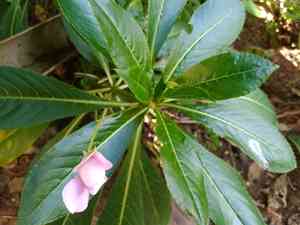
Poor man's rhododendron flourishes when multiplied via cuttings, an effective method to replicate the species while preserving its parental traits. For optimal results, choose robust, non-blooming stems and execute precise, clean incisions directly beneath a node. Applying a rooting stimulant is crucial to encourage development, and then insert the cuttings into a potting blend that drains efficiently and retains consistent dampness without becoming saturated. Offer a warm setting with diffused illumination to foster root formation, and sustain elevated humidity by enclosing them with a plastic covering or a propagator. With diligent attention, the cuttings will swiftly develop a strong root structure.
Optimal Time for Poor Man's Rhododendron Propagation
Propagation Method
Cutting
Propagation Period
Spring,Summer
Tools Required for Poor Man's Rhododendron Propagation
Sharp Pruning Shears
These are crucial for obtaining cuttings from poor man's rhododendron. The shears must be sharp to ensure clean cuts, which helps prevent disease and promotes better rooting. Cutting at a 45-degree angle increases the surface area for rooting hormone application and water absorption.
Rooting Hormone
This product stimulates root growth after the cuttings are taken. An auxin-based rooting hormone is effective for poor man's rhododendron, as it enhances root initiation and development, crucial for the survival and establishment of new plants.
Sterilizing Agent (e.g., Isopropyl Alcohol)
Used to sterilize the pruning shears before and after cuts. This prevents the spread of disease between plants, ensuring the health and viability of poor man's rhododendron cuttings.
Potting Mix
A well-draining, nutrient-rich potting mix suitable for poor man's rhododendron provides the ideal environment for the new roots to develop. A mix containing peat, perlite, and vermiculite helps maintain the necessary balance of moisture and aeration.
Small Pots or Propagation Trays
These containers hold the potting mix and cuttings of poor man's rhododendron. Using small pots helps manage moisture levels, which is crucial for the root development of cuttings. Transparent lids or plastic covers can be added to maintain high humidity while the cuttings root.
Misting Bottle
Used to gently water the cuttings without disturbing the potting mix or dislodging the cuttings. Frequent misting helps keep the humidity high, which is beneficial for leafy cuttings of poor man's rhododendron to prevent them from drying out before rooting occurs.
Heat Mat (optional)
While not essential, a heat mat can improve rooting success rates by maintaining a consistent soil temperature. This is particularly beneficial for poor man's rhododendron during cooler months or in cooler climates where temperature fluctuations might impede root development.
How to Propagate Poor Man's Rhododendron?
Propagation Type
Moderately Difficult
Caring for Your Newly Propagated Poor Man's Rhododendron
Caring for Your Newly Propagated Poor Man's Rhododendron
Once poor man's rhododendron cuttings have rooted successfully, gradually acclimate them by reducing humidity over a week. When roots are well-established, move plants to a brighter spot and water regularly, allowing soil to dry slightly between waterings. Fertilize monthly with a balanced liquid fertilizer, and continue providing bright, indirect sunlight for vigorous growth.
Common Mistakes to Avoid When Propagating Poor Man's Rhododendron
Overwatering
Excessive watering can lead to root rot, which is detrimental to poor man's rhododendron's health. Too much moisture creates an anaerobic environment, hindering root development and function.
Too much direct sunlight
While poor man's rhododendron enjoys light, direct sun can scorch its leaves. Exposed to too much sunlight, poor man's rhododendron can become stressed, leading to leaf damage or a decline in health.
Using a non-sterile medium
Not using a sterile medium for propagation may introduce pathogens that can affect the health of poor man's rhododendron. Infestations or diseases can spread, compromising the propagation process.
Improper cutting technique
Incorrect cutting can damage poor man's rhododendron's delicate stems, reducing the chances of successful root development. Cuts made in the wrong location can also limit growth potential.
Neglecting humidity
Poor man's rhododendron requires a humid environment to thrive during propagation. Insufficient humidity levels can cause the delicate cuttings to dry out before they can take root.
Tips For Propagating Poor Man's Rhododendron
Use softwood cuttings
Poor man's rhododendron roots well from softwood cuttings. These should be taken from healthy, disease-free parts of the plant to maximize the chances of successful rooting.
Maintain moderate moisture
Poor man's rhododendron cuttings should be kept moist but not waterlogged. This balance supports rooting without risking root rot that can be caused by excessive water.
Provide indirect light
Placing poor man's rhododendron cuttings in bright but indirect light encourages rooting without the risks associated with direct sunlight exposure, such as leaf scorch.
Utilize a rooting hormone
Applying a rooting hormone can encourage stronger root development for poor man's rhododendron, leading to more successful propagation.
Create a humid microclimate
For poor man's rhododendron, maintaining a high humidity environment can be achieved by covering cuttings with a plastic dome or bag. This microclimate supports moisture retention and rooting.



