How to Prune Poor man's rhododendron?
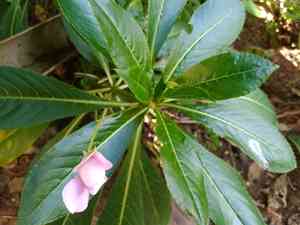
This enduring woody plant, recognized for its abundant leaves and striking pink blossoms, frequently appears in warm climate and semi-tropical landscapes. Essential trimming methods for poor man's rhododendron involve eliminating faded flowers and lifeless or injured limbs to foster robust development and a denser structure. The most effective pruning should occur in early spring or during the winter season to rejuvenate the plant and stimulate profuse blooming. Particular attention should be paid to preserving the plant's inherent contour during trimming, which yields a more visually appealing example with an abundance of flowers.
What Are the Benefits of Pruning Poor Man's Rhododendron?
What Are the Benefits of Pruning Poor Man's Rhododendron?
Trimming poor man's rhododendron promotes vigorous flowering and reduces pest and disease issues by eliminating dead or overgrown limbs, thus ensuring a healthier plant with improved visual appeal.
What Is the Best Time for Pruning Poor Man's Rhododendron?
What Is the Best Time for Pruning Poor Man's Rhododendron?
Trimming poor man's rhododendron in early spring and winter aligns with the plant's dormant phase. In early spring, just before the growth season begins, pruning encourages healthier, more robust new growth as the plant prepares to allocate energy to developing leaves and flowers. Winter pruning, conversely, is beneficial as it allows gardeners to remove any dead or diseased wood without stressing the plant, which is less active during this period. This timing can also help prevent the spread of pests and diseases that are more common in warmer months. Additionally, pruning poor man's rhododendron after its blooming period prevents the loss of future flowers since it typically blooms on old wood. By adhering to these seasonal considerations, the plant's overall health, bloom potential, and aesthetic form are maintained and enhanced.
What Tools Do I Need to Prune Poor Man's Rhododendron?
Bypass Pruners
Perfect for making precise cuts on poor man's rhododendron's tender stems, bypass pruners inflict minimal damage to plant tissue, fostering healthy regeneration.
Hand Shears
Useful for shaping poor man's rhododendron and removing excess growth, hand shears offer excellent control and accuracy.
Pruning Saw
Essential for cutting through thicker stems or branches that may occasionally develop on older or larger poor man's rhododendron specimens.
Gardening Gloves
Protects the gardener's hands from thorns or sap that might be present while trimming poor man's rhododendron.
Disinfectant
Crucial for cleaning tools before and after use to prevent the spread of disease when pruning poor man's rhododendron.
How to Prune Poor Man's Rhododendron
Clean Tools
Before you begin, sanitize your pruning shears or clippers to prevent disease transmission to poor man's rhododendron. Use rubbing alcohol or a bleach solution to thoroughly clean the blades.
Removal Of Diseased Material
Carefully remove any diseased leaves and branches from poor man's rhododendron using your pruning shears. Make clean cuts to prevent further harm to the plant.
Deadheading
Remove spent flowers from poor man's rhododendron to encourage new growth. Snip the stem of the faded flower just above the first set of healthy leaves. This process is known as deadheading.
Thinning
Thin out excessive growth branches to improve air circulation and light penetration for poor man's rhododendron. Make your cuts at the base of the unwanted branches, being careful not to damage the main stem.
Shape Control
Shape poor man's rhododendron by trimming dead branches and withered leaves. Perform selective cuts to maintain the desired form and size of the plant. Focus on overgrown areas to maintain a balanced appearance.
Common Pruning Mistakes with Poor Man's Rhododendron
Overpruning
Removing too much growth at once can shock poor man's rhododendron, leading to weakened health and reduced flowering.
Improper Cut Location
Making cuts too far from a bud or node can result in unsightly dead stubs, while cutting too close can damage the buds.
Using Dull Tools
Dull pruning tools can cause tearing and uneven cuts, exposing poor man's rhododendron to potential disease and pests.
Neglecting Hygiene
Not sanitizing tools between cuts and other plants can spread disease to poor man's rhododendron.
Pruning Without Plan
Random, unplanned cuts can result in an undesirable shape and may harm the plant's natural growth pattern.
Common Pruning Tips for Poor Man's Rhododendron
Selective Pruning
Remove only the old flowers, dead or diseased wood, and any weak, overgrown branches to maintain poor man's rhododendron's health and appearance.
Sharp Clean Tools
Use sharp, clean pruning shears to make clean cuts that heal quickly and reduce the risk of disease.
Angled Cuts
Make cuts at a 45-degree angle above an outward-facing bud to encourage outward growth and prevent water from collecting on the cut surface.
Assessing Before Cutting
Examine poor man's rhododendron thoroughly to determine which areas are overcrowded or require shaping before starting to prune.
Pruning For Airflow
Thin out dense areas to improve air circulation around poor man's rhododendron, which helps prevent fungal diseases.



