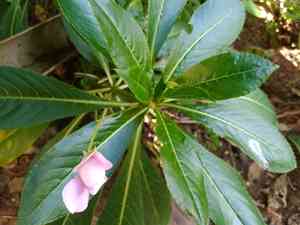
Poor man's rhododendron (Impatiens sodenii)
Also known as: Shrub balsam, Giant impatiens
Poor man's rhododendron, scientifically known as **Impatiens sodenii**, is a year-round flowering perennial subshrub. It has woody stems at the base that transition to succulent as they ascend. Native to Kenya and Tanzania, this plant has been widely cultivated globally for its ornamental appeal. It has successfully naturalized in regions such as Australia and has become weedy in places like New Zealand.
In This Article
Attributes of Poor man's rhododendron
Lifespan
Perennial
Plant Type
Shrub
Plant Height
3 m
Spread
3 m
Leaf Color
Green
Flower Size
2.5 cm to 8 cm
Flower Color
Pink White Purple
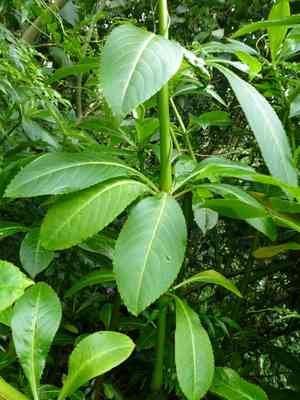
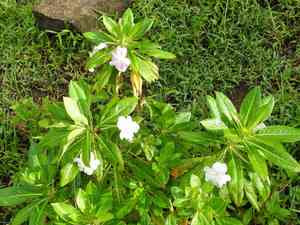
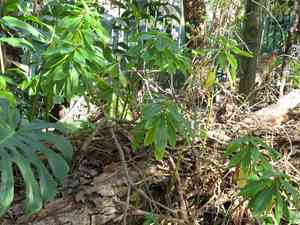
Images of Poor man's rhododendron
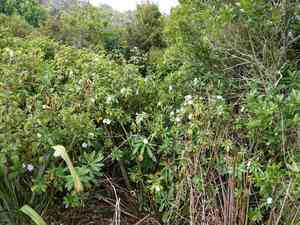
Quickly Identify Poor man's rhododendron
1
Semi-succulent stems with whorls of elongated leaves up to 8 inches (20 cm) long.
2
Large pink blooms, 2.5 inches (6 cm) wide, transitioning from pink to white.
3
Impressive size, reaching 4 feet (1.2 meters) tall and 5 feet (1.5 meters) wide.
4
Woody base providing stability and support for the plant.
5
Thrives in partially shaded conditions with a fast growth pattern under regular watering.
Scientific Classification of Poor man's rhododendron
Phylum
Vascular plants
Class
Dicotyledons
Order
Ericales
Family
Balsam
Genus
Jewelweed
Species
Poor man's rhododendron
Planting and Growing of Poor man's rhododendron
Care Difficulty
Easy
Watering Schedule
Every 8 days
Sunlight Requirements
Partial sun
Sunshine Duration
4-8 hours
Ideal Temperature
65-75℉
Soil Type
Potting Mix, Peat Mix
Soil pH
6.5-7.5
Fertilizer Type
Balanced
Pruning Season
Spring, Summer
Pruning Area
Branches, Leaves
Pruning Frequency
2 times a year
Repotting Season
Spring
Pot Type
Terracotta, Plastic
 How to Water Poor man's rhododendron?
When watering Impatiens sodenii, ensure the soil is thoroughly moist but not waterlogged. A good rule of thumb is to provide around 500ml of water per session, making sure the water reaches the roots without creating standing water.
What are the symptoms of an underwatered Poor man's rhododendron?
›
What should I do if my Poor man's rhododendron is not getting enough water?
›
What are the symptoms of an overwatered Poor man's rhododendron?
›
How to save an overwatered Poor man's rhododendron?
›
 What Are the Sunlight Requirements for Poor man's rhododendron?
Impatiens sodenii benefits from partial sun to full shade, ideally receiving dappled morning light. This light condition ensures optimal growth, prevents stress, and enhances flower production, making it suitable for gardens with mixed lighting conditions.
More About Sunlight Requirements Techniques→
What is the best lighting condition for Impatiens sodenii?
›
How can you achieve these ideal lighting conditions?
›
What benefits does Impatiens sodenii gain from ideal lighting?
›
 What Is the Ideal Temperature Range for Poor man's rhododendron?
The ideal temperature range for Impatiens sodenii is between 65°F and 75°F. This range ensures optimal growth and blooming, as it provides a warm and stable environment similar to its native habitat. Maintaining these temperatures facilitates photosynthesis and healthy development.
 What Soil is Best for Poor man's rhododendron?
Impatiens sodenii thrives in well-drained soil, which helps prevent root rot and fungal diseases. Ensuring excellent drainage allows roots to breathe and absorb nutrients efficiently, promoting lush growth. These plants prefer consistently moist soil, which is essential for maintaining their vibrant and healthy foliage. Regular watering keeps them hydrated and supports their lush growth and flowering. Adding organic matter to the soil provides essential nutrients for Impatiens sodenii. It improves soil structure and fertility, promoting vigorous growth and robust flowering.
 How to Fertilize Poor man's rhododendron?
For Impatiens sodenii, an appropriate amount is essential to avoid nutrient overload or deficiency. Typically, use a balanced liquid fertilizer diluted to half-strength. About 1/4 teaspoon of liquid fertilizer per gallon of water every two weeks will suffice. For slow-release fertilizers, incorporate approximately 1/4 cup per plant annually.
 How to Prune Poor man's rhododendron?
Start by removing any dead, damaged, or diseased branches. Carefully cut them back to healthy tissue, making your cuts at a 45-degree angle close to the main stem to minimize risks of infection. Prune to maintain a clean and attractive shape. Trim back any overly long or straggly stems to encourage a bushier appearance and better air circulation, which helps reduce the risk of fungal diseases. Once you finish pruning, inspect the plant thoroughly. Make sure all tools are put away, and the plant is not left with open wounds, which could attract pests or pathogens.
More About Pruning Techniques→
 How to Propagate Poor man's rhododendron plant?
1
Choose a healthy, disease-free stem with at least two nodes. The cutting should be about 4-6 inches long and taken from a robust parent plant.
2
Remove the lower leaves and dip the cut end in rooting hormone. This helps in faster root development and ensures the cuttings remain healthy.
3
Insert the treated end of the cutting into a well-draining potting mix. Ensure the soil remains moist but not waterlogged during the rooting period.
 How to Repot Poor man's rhododendron plant?
1
Impatiens sodenii indicates it's time for repotting when you notice roots emerging from the drainage holes, reduced growth rates, or the soil drying out too rapidly. If these signs appear, it's advisable to plan on a repotting session.
2
Selecting the right pot for Impatiens sodenii involves picking one slightly larger than the current pot with adequate drainage holes. This aids in preventing waterlogging, which can cause root rot, ensuring your plant continues to thrive.
3
A well-draining potting mix is ideal for Impatiens sodenii as it ensures excess moisture does not lead to root rot, supporting healthy root development and providing adequate aeration to the plant roots.
Learn More About Poor man's rhododendron Diseases
Anthracnose
Bacterial Leaf Spot
Bacterial Soft Rot
Bacterial Wilt
Black Spot
Chemical Injury
Crown Gall
Damping-off
Downy Mildew
Drought Stress
Fusarium Wilt
Gray Mold
Leaf Curl
Leaf Spot
Mosaic
Nutrient Deficiency
Nutrient Toxicity
Powdery Mildew
Root Rot
Root-knot Nematode
Sooty Mold
Spider Mites
Temperature Stress
Thrips Damage
White Mold



