How to Transplant Myrtleleaf St. John's wort?
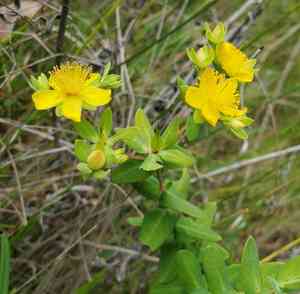
Myrtleleaf St. John's wort flourishes when relocated in the initial to middle stages of spring, benefiting from ideal soil warmth. Select a site with full sun to partial shade, guaranteeing effective water drainage. Handle the root system delicately during the transfer to lessen any shock.
Preparations Required Before Relocating Myrtleleaf St. John's Wort
Optimal Period for Relocating Myrtleleaf St. John's Wort
Myrtleleaf St. John's wort flourishes when moved in early to mid-spring. This timeframe offers ideal soil moisture and moderate temperatures, lessening transplant stress. Relocating during this window promotes strong root establishment and vigorous development throughout the growing season. Early spring also allows myrtleleaf St. John's wort to adapt before summer heat becomes an issue.
Recommended Spacing Between Myrtleleaf St. John's Wort Plants
Myrtleleaf St. John's wort should be positioned approximately 24-36 inches (60-90 cm) apart to facilitate adequate growth and air circulation, preventing overcrowding and fostering healthy development.
Ideal Soil Blend for Myrtleleaf St. John's Wort Relocation
For myrtleleaf St. John's wort, prepare well-draining, sandy or loamy soil enriched with compost or a balanced 10-10-10 NPK fertilizer. This ensures the roots receive all necessary nutrients.
Optimal Location for Your Myrtleleaf St. John's Wort
Myrtleleaf St. John's wort thrives best in full sun or partial shade. Select a garden spot that receives at least 6 hours of daily sunlight for peak growth.
Equipment to Prepare Before Relocating Myrtleleaf St. John's Wort
Gardening Gloves
To safeguard your hands while handling soil and the plant.
Shovel or Spade
For carefully excavating the plant and its root ball.
Watering Can
To hydrate the plant before and after its removal from the original spot.
Trowel
For smaller, precise digging tasks, especially useful if the plant is in a container or seedling tray.
Wheelbarrow
To move the plant from its initial location to the new site if the distance is considerable.
Pruners
To trim any dead or damaged roots during the relocation process.
Mulch
To aid in moisture retention and soil temperature regulation after relocation.
How to Extract Myrtleleaf St. John's Wort from the Soil
How to Extract Myrtleleaf St. John's Wort from the Soil
From Ground: First, water the myrtleleaf St. John's wort plant to moisten the soil. Then, dig a wide trench around the plant using a shovel or spade, ensuring the plant's root ball remains intact. Carefully work the spade under the root ball to lift the plant from its original location.From Pot: Water the myrtleleaf St. John's wort plant to loosen the soil. Gently tap the pot to release the root ball and carefully slide the plant out, supporting the stem as you do so. If needed, use a trowel to ease the root ball out of tight pots.From Seedling Tray: Gently water the seedlings before removal. Use a small trowel or even a spoon to carefully lift each seedling, ensuring you support its root system. Make sure to handle the seedlings by their leaves or root ball, not the stem to prevent damage.
Step-by-Step Guide for Relocating Myrtleleaf St. John's Wort
Plant Preparation
Thoroughly water the myrtleleaf St. John's wort plant in its initial spot to simplify removal and lessen plant stress.
Soil and Hole Preparation
Prepare the new site by digging a hole twice the size of the myrtleleaf St. John's wort's root ball to allow for root expansion.
Removal and Transport
Carefully remove the myrtleleaf St. John's wort from its original location as per the provided instructions and transport it to the new site using a wheelbarrow if necessary.
Positioning and Planting
Place the myrtleleaf St. John's wort in the center of the hole, ensuring it is at the same depth as it was in its previous location. Gently fill the hole with soil, pressing down lightly to eliminate any air pockets.
Watering In
Generously water the myrtleleaf St. John's wort immediately after planting to help settle the soil around the roots and provide essential moisture.
Applying Mulch
Apply a layer of mulch around the base of the myrtleleaf St. John's wort to retain moisture and regulate soil temperature.
Post-Relocation Care for Myrtleleaf St. John's Wort
Watering
Keep the soil around the myrtleleaf St. John's wort consistently moist, but not waterlogged, for the initial weeks after relocation to aid in strong root establishment.
Monitoring
Regularly check the myrtleleaf St. John's wort for signs of transplant shock such as wilting or yellowing leaves, and ensure it receives sufficient water.
Mulch Maintenance
Replenish the mulch layer as needed to maintain consistent moisture levels and prevent weed growth.
Pruning
Trim any dead or damaged leaves and branches to encourage healthy new growth.
Addressing Common Issues with Myrtleleaf St. John's Wort Relocation.
When is the best time to relocate myrtleleaf St. John's wort?
Early to mid-spring is ideal for relocating myrtleleaf St. John's wort for optimal growth and establishment.
How much space should I leave between relocated plants?
Ensure there is 24-36 inches (61-91 cm) between each myrtleleaf St. John's wort to allow adequate growth.
How can I prepare the soil for myrtleleaf St. John's wort?
Loosen the soil and mix in compost to improve drainage and nutrient content before planting myrtleleaf St. John's wort.
What should I do if myrtleleaf St. John's wort appears wilted post-relocation?
Ensure it's well-watered and keep the soil consistently moist but not waterlogged to help recovery.
How deep should I plant the root ball?
Plant the root ball at the same depth as it was in its previous location to avoid stress.
How to protect myrtleleaf St. John's wort from transplant shock?
Water thoroughly right after relocating and keep it shaded for a few days to minimize shock.
Should I prune myrtleleaf St. John's wort after relocating?
Lightly prune any damaged or excessively long roots before planting, but avoid heavy pruning immediately after relocating.
Can I use mulch around myrtleleaf St. John's wort after relocating?
Yes, apply 2-3 inches (5-7.6 cm) of mulch around myrtleleaf St. John's wort to retain moisture and regulate soil temperature.
How often should I water myrtleleaf St. John's wort after relocating?
Water immediately after relocating and then regularly keep the soil evenly moist, not soggy.
Is fertilization necessary for myrtleleaf St. John's wort post-relocation?
Avoid fertilizing immediately; wait until myrtleleaf St. John's wort shows new growth, then use a balanced slow-release fertilizer.



