How to Prune Myrtleleaf St. John's wort?
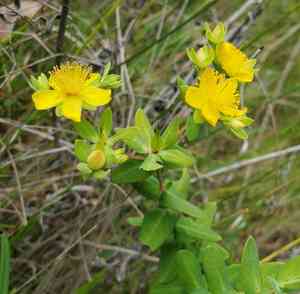
Hypericum myrtifolium is a compact shrub characterized by vibrant yellow blossoms and lustrous, deep green foliage. Trimming should occur in early spring to eliminate deceased or frail branches, stimulate fresh development, and sculpt the plant. Concentrate on reducing dense branches to improve air movement. This practice not only preserves the myrtleleaf St. John's wort's dense structure but also fosters more abundant flowering. Remember to sanitize cutting implements to avert the transmission of pathogens.
Advantages of Trimming Myrtleleaf St. John's Wort
Advantages of Trimming Myrtleleaf St. John's Wort
Myrtleleaf St. John's wort benefits from trimming by encouraging robust development and maintaining a desired form. Regular trimming aids in managing its size, boosts blooming, and prevents illness. Proper attention leads to a more vibrant, visually appealing plant.
Optimal Period for Trimming Myrtleleaf St. John's Wort
Optimal Period for Trimming Myrtleleaf St. John's Wort
Trimming myrtleleaf St. John's wort in early spring is advisable as it aligns with the plant's natural growth cycle. During this time, myrtleleaf St. John's wort is still dormant or just starting to emerge from dormancy, which reduces stress and allows for rapid healing. Additionally, pruning at this point ensures you don't disrupt the flowering period, as myrtleleaf St. John's wort typically blooms later in the season.
Necessary Tools for Trimming Myrtleleaf St. John's Wort
Hand Pruners
Hand pruners are perfect for making accurate cuts on smaller branches and stems of myrtleleaf St. John's wort. They offer precision and control, essential for preserving the plant's shape and health.
Loppers
Loppers are suitable for cutting thicker branches that hand pruners cannot manage. They provide increased leverage and can cut branches up to 1-2 inches in diameter, crucial for the mature growth of myrtleleaf St. John's wort.
Pruning Saw
A pruning saw is vital for cutting larger branches too thick for loppers. It ensures clean cuts without harming the plant, important for promoting healthy regrowth in myrtleleaf St. John's wort.
Bypass Pruners
Bypass pruners are preferred for green, living wood as they create clean cuts that heal quickly. This tool is advantageous for maintaining health and fostering growth in myrtleleaf St. John's wort.
Pole Pruners
For taller specimens of myrtleleaf St. John's wort, pole pruners enable the safe removal of high branches without needing a ladder. This helps maintain a balanced shape and accessibility.
How to Trim Myrtleleaf St. John's Wort
Inspection
Examine myrtleleaf St. John's wort for any diseased leaves, withered leaves, dead branches, or diseased branches. Use careful observation to identify the parts that need to be pruned.
Tool Sterilization
Before starting, sterilize all pruning tools using a solution of one part bleach to nine parts water to prevent the spread of disease.
Remove Diseased Leaves
Cut away any diseased leaves. Make cuts close to the main stem without damaging it, ensuring the disease does not spread further.
Remove Withered Leaves
Trim off any withered leaves. This helps the plant redirect energy to healthier parts and maintains overall aesthetics.
Remove Dead And Diseased Branches
Cut dead branches back to the main stem or to a healthy outward-facing bud. For diseased branches, cut at least 6-12 inches into healthy wood to ensure the removal of all infected areas.
Common Trimming Errors with Myrtleleaf St. John's Wort
Over-pruning
Removing too much foliage can stress the plant and inhibit growth. It’s important to avoid cutting more than one-third of the plant at any time.
Improper wet conditions
Pruning when the plant is wet can spread diseases. Ensure that myrtleleaf St. John's wort is dry to minimize the risk of infection.
Ignoring dead or damaged branches
Failing to remove dead or damaged branches can hinder the plant's health and growth. These sections should always be pruned out as soon as they are noticed.
Incorrect cutting technique
Using blunt tools or making uneven cuts can cause damage to myrtleleaf St. John's wort. Clean, sharp tools should be used to make precise cuts.
General Trimming Advice for Myrtleleaf St. John's Wort
Sanitize tools
Always sanitize pruning tools before and after use to prevent the spread of diseases. A solution of one part bleach to nine parts water works well.
Target thinning cuts
Focus on thinning cuts, which remove an entire branch back to its origin. This helps maintain an open structure, promoting airflow and reducing disease risk.
Branch selection
Prioritize pruning older, woody stems to encourage new growth and flower production. Younger stems are more productive and contribute to the plant's vigor.
Cut at an angle
Make cuts at a 45-degree angle to facilitate water runoff, which helps avoid rot. Cuts should be made just above a bud or branch junction.



