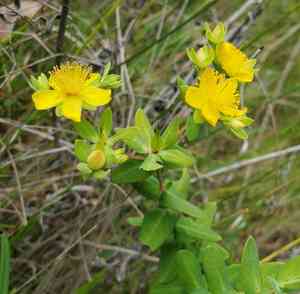
Myrtleleaf St. John's wort (Hypericum myrtifolium)
Also known as: Myrtleleaf St. Johnswort
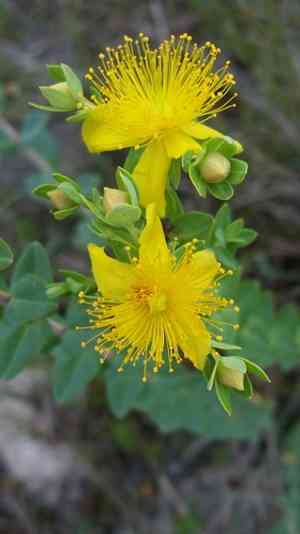
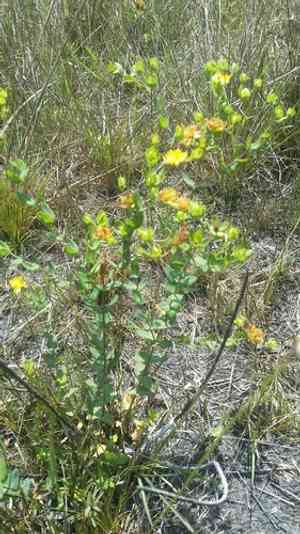
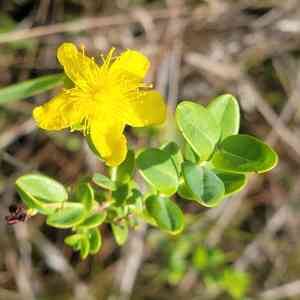
Myrtleleaf St. John's wort (Hypericum myrtifolium) is a perennial shrub known for its bushy appearance and narrow, needle-like leaves reminiscent of myrtle. It thrives in sandy or loamy soils often found in open woodlands and scrub areas. This plant prefers full sun and is resilient, adapting well to dry and moderately wet conditions. It blooms with striking bright yellow flowers featuring numerous prominent stamens, creating a distinctive frilly look. Myrtleleaf St. John's wort flourishes in the warmth of temperate regions and is well-suited to a variety of environmental conditions.
In This Article
Attributes of Myrtleleaf St. John's wort
Lifespan
Perennial
Plant Type
Shrub
Plant Height
30 cm to 1.8 m
Spread
Approximately 0.5 to 1 meter
Leaf Color
Dark green
Flower Size
2 to 3 centimeters
Flower Color
Bright yellow
Images of Myrtleleaf St. John's wort
Quickly Identify Myrtleleaf St. John's wort
1
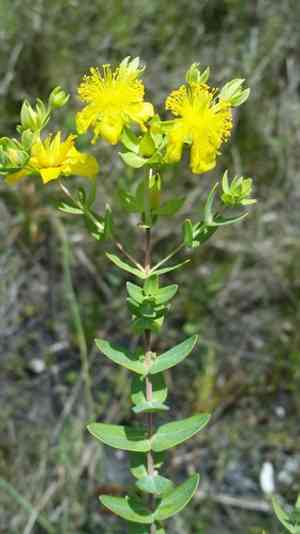
Identify Hypericum myrtifolium by its small, lance-shaped leaves and bright yellow, star-shaped flowers that bloom in clusters. The bark is reddish-brown, and the stems are square in cross-section.
Scientific Classification of Myrtleleaf St. John's wort
Phylum
Vascular plants
Class
Dicotyledons
Order
Malpighiales
Family
St. John's wort
Genus
St. John's worts
Species
Myrtleleaf St. John's wort
Planting and Growing of Myrtleleaf St. John's wort
Care Difficulty
Easy
Watering Schedule
Every 2 days
Sunlight Requirements
Partial sun
Sunshine Duration
4-8 hours
Ideal Temperature
60-77℉
Soil Type
Potting Mix, Peat Mix
Soil pH
6.5-7.5
Fertilizer Type
Balanced
Pruning Season
Spring, Summer
Pruning Area
Branches, Leaves
Pruning Frequency
2 times a year
Repotting Season
Spring
Pot Type
Plastic, Ceramic
 How to Water Myrtleleaf St. John's wort?
The watering amount for Hypericum myrtifolium should be enough to thoroughly moisten the soil. Aim for around 500 ml per session, ensuring the water reaches the root zone without leaving the soil waterlogged. It's crucial to adapt the amount based on seasonal changes and environmental factors, like temperature and humidity.
What are the symptoms of an underwatered Myrtleleaf St. John's wort?
›
What should I do if my Myrtleleaf St. John's wort is not getting enough water?
›
What are the symptoms of an overwatered Myrtleleaf St. John's wort?
›
How to save an overwatered Myrtleleaf St. John's wort?
›
 What Are the Sunlight Requirements for Myrtleleaf St. John's wort?
Partial sun is the optimal light range, which allows Hypericum myrtifolium to perform photosynthesis efficiently, resulting in vibrant foliage and abundant blooming. Adequate light also enhances its resilience against environmental stresses.
What is the ideal location?
›
How to achieve optimal lighting?
›
Benefits of ideal lighting
›
 What Is the Ideal Temperature Range for Myrtleleaf St. John's wort?
The ideal temperature range for Hypericum myrtifolium is between 60°F and 77°F. Within this range, the plant can thrive, exhibiting optimal growth and development. It provides a balance where the metabolic processes of the plant function effectively, leading to healthy foliage and potential flowering. Maintaining this temperature ensures that the plant remains stress-free and fully capable of achieving its best overall health.
 What Soil is Best for Myrtleleaf St. John's wort?
Hypericum myrtifolium thrives best in well-draining soils. Proper drainage prevents root rot and ensures that the plant does not sit in waterlogged soil, which can be detrimental to its health. The plant prefers soil with moderate fertility. It benefits from soil enriched with organic matter, which provides essential nutrients and supports healthy growth and flowering. While the soil should drain well, it is also crucial to retain adequate moisture. This balance helps in sustaining plant health, particularly during dry spells, ensuring consistent nourishment.
 How to Fertilize Myrtleleaf St. John's wort?
For Hypericum myrtifolium, a balanced, water-soluble fertilizer is typically used. Apply liquid fertilizer at a concentration of approximately 1/2 teaspoon (around 2.5 ml) per gallon of water. For solid fertilizers, use slow-release pellets that provide nutrients gradually over a few months. Avoid over-fertilizing, especially during the winter months when growth naturally slows down.
 How to Prune Myrtleleaf St. John's wort?
Begin by eliminating any dead or damaged stems that may hinder the plant's growth. This encourages healthier, new growth and maintains the overall vigor of the plant. If some parts of the plant seem too crowded, prune selectively to thin them out. This improves airflow and light penetration, boosting photosynthesis and reducing the risk of fungal diseases. Once the essential cuts have been made, you can shape the plant to maintain its natural form. Aim to keep a balanced, pleasing shape without drastically altering its appearance.
More About Pruning Techniques→
 How to Propagate Myrtleleaf St. John's wort plant?
1
Collect mature seeds from the plant when the capsules are dry and brown. Make sure to store them in a cool, dry place until you're ready to sow them, as this helps maintain their viability.
2
Select healthy, disease-free stems with several nodes. Cut a segment about 4 to 6 inches long just below a node, and remove the leaves from the lower half to reduce moisture loss and improve rooting.
3
Carefully dig up the mature plant to avoid damaging the roots. Gently separate the root ball into smaller sections, ensuring each division has plenty of roots attached for successful re-establishment in new locations.
 How to Repot Myrtleleaf St. John's wort plant?
1
Hypericum myrtifolium should be repotted when it shows signs of being root-bound. Common signs include roots growing out of drainage holes, slower growth, or reduced water absorption. Spring and early summer are prime times for repotting, as the warmer weather encourages swift recovery and continued growth.
2
Select a pot that is 1-2 inches wider and deeper than the current one. A pot with adequate drainage holes is vital to prevent root rot, allowing excess water to escape efficiently. Choosing the right size avoids excessive soil that retains moisture, reducing the risk of overwatering.
3
Opt for a well-draining potting mix rich in organic matter. The ideal soil should allow easy root penetration and prevent waterlogging, fostering a healthy root environment. A consistent pH and nutrient content support the plant's growth and vibrant foliage.
Learn More About Myrtleleaf St. John's wort Diseases
Anthracnose
Bacterial Leaf Spot
Black Spot
Chemical Injury
Crown Gall
Damping-off
Downy Mildew
Drought Stress
Fusarium Wilt
Gray Mold
Leaf Curl
Leaf Spot
Mosaic
Nutrient Deficiency
Nutrient Toxicity
Powdery Mildew
Root Rot
Root-knot Nematode
Rusts
Sooty Mold
Spider Mites
Temperature Stress
Thrips Damage
White Mold



