How to Transplant Bigelow's rubberweed?
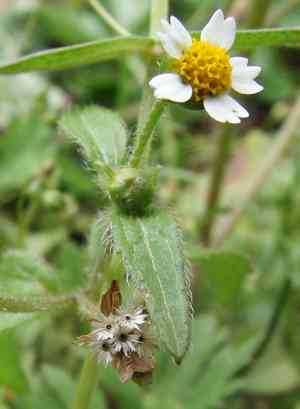
Bigelow's rubberweed thrives when relocated in early spring or autumn, during temperate periods. Select a bright spot featuring soil that drains effectively. Verify the new environment replicates the plant's native setting for peak development.
Essential Preparations Before Relocating Bigelow's Rubberweed
Optimal Timing for Relocating Bigelow's Rubberweed?
The best times to move bigelow's rubberweed, a perennial, are in early spring and early autumn. These periods offer mild temperatures and increased soil moisture, aiding root establishment. Early spring gives bigelow's rubberweed a head start before summer heat, while early fall allows roots to develop before winter dormancy, boosting its survival and growth.
Recommended Spacing Between Bigelow's Rubberweed Plants?
When preparing to move bigelow's rubberweed, ensure each plant is positioned approximately 12-18 inches (30-45 cm) apart. This provides ample room for development and promotes good air circulation, contributing to plant health.
Ideal Soil Blend for Bigelow's Rubberweed Relocation?
Prepare a soil mixture that drains well for bigelow's rubberweed. Loamy or sandy soil is perfect. Before transplanting, enrich the soil with a foundational fertilizer like compost or a balanced slow-release option to provide your plants with a nutrient boost.
Selecting a New Location for Your Bigelow's Rubberweed?
Bigelow's rubberweed flourishes in full sun. Choose a spot where the plants will receive at least 6-8 hours of direct sunlight daily. This promotes vigorous growth and abundant blooms.
Tools Required Before Relocating Bigelow's Rubberweed?
Gardening Gloves
To safeguard your hands while handling soil and plants.
Shovel or Spade
For excavating the plant from its original spot and preparing the new planting area.
Trowel
To backfill soil around the root ball at the new planting site.
Watering Can or Hose
To hydrate the plant before and after its relocation.
Gardening Fork
To loosen the soil surrounding the plant.
How to Extract Bigelow's Rubberweed from the Ground?
How to Extract Bigelow's Rubberweed from the Ground?
From Ground: First, water the bigelow's rubberweed plant to moisten the soil. Next, dig a wide trench around the plant using a shovel or spade, ensuring the plant's root ball remains intact. Carefully work the spade beneath the root ball to lift the plant from its initial location.From Pot: Gently invert the pot while supporting the bigelow's rubberweed plant with your hand. Tap the pot's base to loosen the soil and slide the plant out, being careful not to harm the roots.From Seedling Tray: Water the seedling tray to help loosen the soil. Use a gardening fork or small trowel to gently lift the bigelow's rubberweed plant, ensuring the roots remain undamaged.
Step-by-Step Guide for Relocating Bigelow's Rubberweed
Location Preparation
Select a site with adequate sunlight and room for your bigelow's rubberweed to reach its mature size. Dig a hole twice as wide and as deep as the plant's root ball.
Soil Conditioning
Ensure the soil drains well and is rich in organic matter. Incorporate compost or other organic material as needed.
Relocation
Position the bigelow's rubberweed in the prepared hole, making sure the top of the root ball is level with the surrounding soil. Backfill around the root ball with soil, pressing gently to remove air pockets.
Hydration
Thoroughly water the bigelow's rubberweed after transplanting to help settle the soil around the roots.
Post-Relocation Care for Bigelow's Rubberweed
Watering
Keep the soil around the bigelow's rubberweed consistently damp, but not waterlogged, for the initial weeks after transplanting to encourage strong root development.
Mulching
Apply a layer of mulch around the plant's base to help retain moisture and regulate soil temperature.
Observation
Closely monitor the bigelow's rubberweed for the first few weeks. Look for signs of distress (such as wilting or yellowing leaves) and adjust care as necessary.
Protection
If needed, provide support structures like stakes or cages to shield the bigelow's rubberweed from strong winds or heavy rain.
Addressing Common Issues During Bigelow's Rubberweed Relocation.
What is the best season to relocate bigelow's rubberweed?
Early spring, late summer, or early fall ensures successful relocation for bigelow's rubberweed.
How much spacing is needed between bigelow's rubberweed relocations?
Space bigelow's rubberweed plants 12-18 inches (30-45 cm) apart for optimal growth and air circulation.
How deep should I plant bigelow's rubberweed during relocation?
Plant bigelow's rubberweed at the same depth it was growing previously to prevent stress.
How to prepare the soil for relocating bigelow's rubberweed?
Loosen the soil to a depth of 10 inches (25 cm) and mix in compost for nutrients.
Should I water bigelow's rubberweed immediately after relocating?
Yes, water thoroughly to settle the soil and establish roots.
How much sunlight does bigelow's rubberweed require?
Bigelow's rubberweed thrives best in full sun for strong and healthy growth.
What to do if bigelow's rubberweed looks wilted after relocating?
Keep the soil consistently moist and provide some shade until recovery.
Can I use fertilizer when relocating bigelow's rubberweed?
Use a balanced, slow-release fertilizer to support initial root development in bigelow's rubberweed.
How to protect bigelow's rubberweed from relocation shock?
Relocate on a cloudy day and ensure the roots remain moist throughout the process.
What is a sign of successful relocation for bigelow's rubberweed?
New growth and firm, upright stems indicate bigelow's rubberweed has successfully adapted to its new location.



