How to Propagate Bigelow's rubberweed?
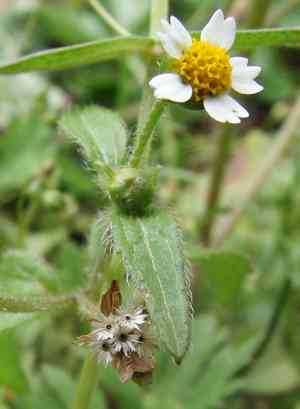
Bigelow's rubberweed, a perennial plant indigenous to the southwestern U.S., flourishes in dry climates under direct sunlight. To propagate, plant seeds directly into soil that drains effectively, making sure they are lightly covered to encourage sprouting. Keep the soil consistently damp until the young plants are well-rooted. Once fully grown, bigelow's rubberweed withstands dry conditions, needing very little water. This hardiness makes it perfect for water-wise landscaping and gardens that require minimal upkeep.
When Is the Optimal Time to Propagate Bigelow's Rubberweed?
Propagation Type
Seeding
Propagation Season
Spring
What Equipment Is Used for Bigelow's Rubberweed Propagation?
Seed Tray
A seed tray is crucial for planting bigelow's rubberweed seeds. It offers a controlled setting for seeds to sprout and develop into young plants before transplanting.
Seedling Heat Mat
A seedling heat mat helps maintain a steady soil temperature, which is vital for bigelow's rubberweed seed germination. The warmth encourages quicker and more uniform sprouting.
Fine Seedling Soil Mix
Utilizing a fine seedling soil mix ensures proper drainage and air circulation, essential for the healthy growth of bigelow's rubberweed seedlings.
Spray Bottle
A spray bottle is used to mist the soil surface, keeping it consistently moist without over-saturating, which is important for the delicate bigelow's rubberweed seeds.
Humidity Dome
A humidity dome maintains a high moisture environment around bigelow's rubberweed seeds, aiding in faster germination and reducing the risk of drying out.
Labeling Sticks
Labeling sticks help track the planting date and seed type, ensuring proper monitoring and care of bigelow's rubberweed throughout the propagation process.
Seed Dibber
A seed dibber is used to create small holes in the soil for planting bigelow's rubberweed seeds. This tool ensures seeds are planted at the correct depth for optimal germination.
Grow Lights
Grow lights provide sufficient illumination for bigelow's rubberweed seedlings, especially if natural light is inadequate. This ensures robust and healthy growth during the initial stages.
Small Fan
A small fan helps improve air circulation around bigelow's rubberweed seedlings, reducing the risk of fungal diseases and promoting stronger stem development.
How to Propagate Bigelow's Rubberweed?
Propagation Type
Simple
How to Care for Your Newly Propagated Bigelow's Rubberweed?
How to Care for Your Newly Propagated Bigelow's Rubberweed?
Post-propagation, bigelow's rubberweed requires minimal watering, preferring arid conditions typical of its native environment. Ensure the plant receives ample sunlight and is potted in well-draining soil. Monitor for pests and diseases, though bigelow's rubberweed is generally resilient. Prune any dead or damaged foliage to encourage vigorous growth.
Common Errors to Avoid When Propagating Bigelow's Rubberweed
Overwatering
Excessive moisture can lead to root rot, which is detrimental to bigelow's rubberweed's health and propagation success.
Using Poor Soil
Employing soil that lacks proper drainage can suffocate roots, causing stress and lower propagation rates.
Improper Light Levels
Insufficient light can result in leggy, weak seedlings. Conversely, too much direct sunlight can scorch young plants.
Ignoring Pest Control
Failing to manage pests can lead to damage in young plants, hindering successful propagation.
Incorrect Cutting Technique
Using dull tools or improper cutting methods can harm the plant and reduce its ability to produce healthy offshoots.
Tips For Propagating Bigelow's Rubberweed
Well-Drained Soil
Utilize a well-draining soil mix to prevent waterlogging and root rot in bigelow's rubberweed.
Moderate Watering
Water the soil adequately but allow it to dry out slightly between waterings to avoid root rot.
Adequate Lighting
Provide sufficient indirect sunlight for optimal growth while shielding young plants from harsh direct sunlight.
Proper Pest Management
Regularly inspect plants for pests and use appropriate treatments to maintain plant health.
Use Sharp Tools
Always use clean, sharp tools for cuttings to ensure clean cuts and prevent plant damage.



