How to Prune Bigelow's rubberweed?
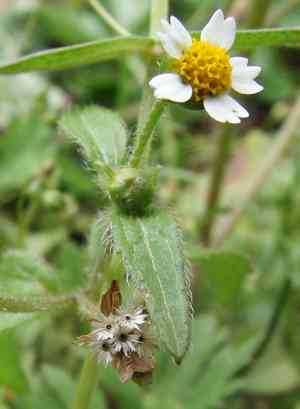
Bigelow's rubberweed displays bright yellow blossoms and a dense, shrub-like form. Trim bigelow's rubberweed in the initial part of spring or the latter part of winter to foster vigorous development and abundant blooms. Eliminate any deceased or injured stalks and thin out excessively thick sections to enhance air movement. Gently sculpt the plant to preserve its inherent shape. Regular trimming boosts general plant well-being, lowers the chance of illness, and stimulates prolific flowering. Consult reliable gardening guides for optimal techniques.
What Are the Benefits of Pruning Bigelow's Rubberweed?
What Are the Benefits of Pruning Bigelow's Rubberweed?
Trimming bigelow's rubberweed promotes vigorous development, maintains its form, and ensures a neat appearance. Consistent pruning also fosters robust growth, enhances pest and disease resistance, and prevents the plant from becoming overgrown, boosting its overall vitality.
What Is the Best Time for Pruning Bigelow's Rubberweed?
What Is the Best Time for Pruning Bigelow's Rubberweed?
Pruning bigelow's rubberweed from late winter to early spring is optimal as it coincides with the plant's dormant phase, minimizing stress and lowering disease risk. Furthermore, trimming before new growth starts allows for better shaping and encourages healthy, strong growth in the upcoming season. Pruning at this time also avoids disrupting its flowering or fruiting cycles, ensuring abundant blooms.
What Tools Do I Need to Prune Bigelow's Rubberweed?
Bypass Pruners
Bypass pruners are perfect for making clean cuts on living stems and foliage. They help prevent crushing plant tissues, which is vital for maintaining plant health.
Hand Pruning Shears
Hand pruning shears are versatile tools excellent for trimming smaller branches and efficiently shaping bigelow's rubberweed. Their size makes them easy to handle and control.
Pruning Snips
For delicate and accurate cuts, pruning snips are invaluable. They are especially useful for preserving the overall aesthetics and health of bigelow's rubberweed.
Gloves
Protective gardening gloves are essential to shield your hands from thorns, sap, and other potential irritants while pruning bigelow's rubberweed.
Disinfectant Wipes
Keeping pruning tools clean is critical to prevent disease spread. Use disinfectant wipes to sanitize your tools before and after use.
How to Prune Bigelow's Rubberweed
Inspection
Carefully examine bigelow's rubberweed for any indications of diseased or withered leaves. Pay close attention to discoloration, wilting, and unusual spots.
Tools preparation
Gather sterilized pruning shears or scissors. Sterilizing tools helps to prevent the spread of disease.
Remove diseased leaves
Use the sterilized shears to cut away any diseased leaves. Make the cut close to the base of the leaf petiole without damaging the main stem.
Remove withered leaves
Trim off any withered or dead leaves. Cut them as close to the main plant stem as possible to maintain a clean look.
Disposal
Dispose of all removed leaves in a sealed bag and discard them properly to prevent contamination. Avoid composting diseased material.
Common Pruning Mistakes with Bigelow's Rubberweed
Incorrect technique
Using improper cutting tools or techniques can damage bigelow's rubberweed, leading to ragged cuts that invite disease and pests.
Over-pruning
Removing too much foliage at once can stress bigelow's rubberweed, reducing its ability to photosynthesize and recover healthily.
Poor timing
Some gardeners mistakenly prune bigelow's rubberweed at inappropriate times, which can weaken the plant and reduce its flowering potential.
Ignoring dead or diseased parts
Neglecting to remove dead or unhealthy parts of bigelow's rubberweed can allow disease to spread and affect overall plant health.
Common Pruning Tips for Bigelow's Rubberweed
Use sharp, clean tools
Ensure your pruning shears or scissors are sharp and sanitized to make clean cuts and prevent the spread of disease in bigelow's rubberweed.
Prune for shape and health
Focus on removing dead, damaged, or diseased stems first. Then, thin out crowded areas to improve air circulation and shape bigelow's rubberweed for even growth.
Make precise cuts
Cut just above a node (the point where leaves attach to the stem) at a 45-degree angle to promote quick healing and new growth in bigelow's rubberweed.
Regular light pruning
Regular, light pruning encourages a bushier growth habit and more robust flowering in bigelow's rubberweed rather than severe, infrequent trimming.



