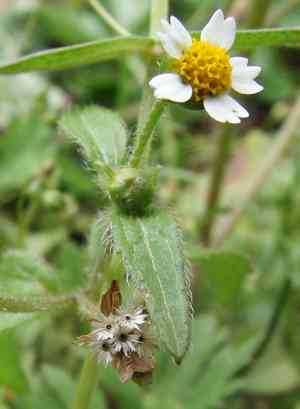
Bigelow's rubberweed (Hymenoxys bigelovii)
Also known as: Bigelow's rubberweed, Bigelow's sneezeweed
The Desert Marigold (Baileya multiradiata) is a hardy perennial known for its vibrant yellow, daisy-like blooms that emerge from a base of narrow, silvery-green foliage. It flourishes in arid regions and relies on a deep root system to endure drought conditions. Its clustered growth and striking flowers add visual appeal to its natural dry habitat.
In This Article
Attributes of Bigelow's rubberweed
Lifespan
Perennial
Plant Type
Herb
Plant Height
30-60 cm
Spread
20-30 cm
Leaf Color
Green
Flower Size
3-5 cm
Flower Color
Yellow
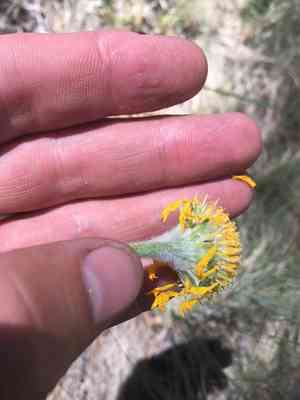
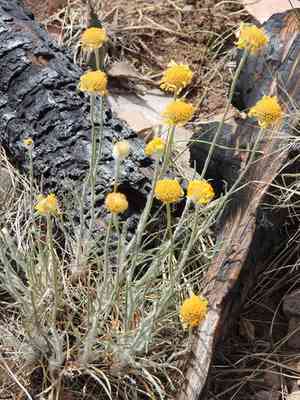
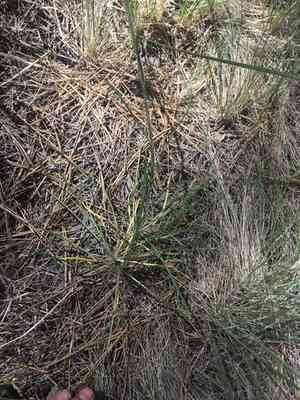
Images of Bigelow's rubberweed
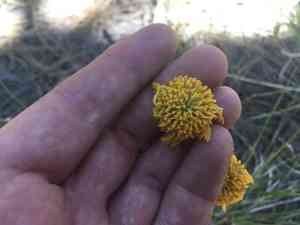
Quickly Identify Bigelow's rubberweed
1
Look for a perennial herb with bright yellow, daisy-like flowers. It typically has a rubbery texture and grows in dry, arid environments. The leaves are lanceolate and can be slightly hairy.
Scientific Classification of Bigelow's rubberweed
Phylum
Vascular plants
Class
Dicotyledons
Order
Asterales
Family
Daisy
Genus
Hymenoxys
Species
Bigelow's rubberweed
Planting and Growing of Bigelow's rubberweed
Care Difficulty
Moderate
Watering Schedule
Every day
Sunlight Requirements
Full sun
Sunshine Duration
4-6 hours
Ideal Temperature
60-75℉
Soil Type
Potting Mix, Peat Mix
Soil pH
6.5-7.5
Fertilizer Type
Balanced
Pruning Season
Spring, Summer
Pruning Area
Branches, Leaves
Pruning Frequency
2 times a year
Repotting Season
Spring
Pot Type
Plastic, Ceramic
 How to Water Bigelow's rubberweed?
Hymenoxys bigelovii, known for its drought tolerance, requires moderate watering. Watering should ensure the soil is moist without becoming waterlogged, which means approximately 250 ml of water suffices every session, allowing the soil to dry out between waterings.
What are the symptoms of an underwatered Bigelow's rubberweed?
›
What should I do if my Bigelow's rubberweed is not getting enough water?
›
What are the symptoms of an overwatered Bigelow's rubberweed?
›
How to save an overwatered Bigelow's rubberweed?
›
 What Are the Sunlight Requirements for Bigelow's rubberweed?
Hymenoxys bigelovii prefers full sun to partial sun, ideally with 6 to 8 hours of sunlight. This condition supports strong growth and vibrant flowering, ensuring the plant’s health and resilience.
What type of sunlight is best for Hymenoxys bigelovii?
›
How to provide the ideal lighting for Hymenoxys bigelovii?
›
What are the benefits of ideal lighting conditions for Hymenoxys bigelovii?
›
 What Is the Ideal Temperature Range for Bigelow's rubberweed?
Maintaining a temperature range between 60°F and 75°F is ideal for the growth of Hymenoxys bigelovii. This range supports optimal physiological functions, ensuring healthy development. Properly monitoring and maintaining these temperatures can result in lush foliage and vibrant blooms.
 What Soil is Best for Bigelow's rubberweed?
Hymenoxys bigelovii thrives in well-drained soils, preventing waterlogging and root rot. Such conditions promote healthy growth. While not overly demanding, this plant benefits from soil that retains essential nutrients, enhancing its foliage and flower production. The soil should hold moderate moisture without becoming soggy. This balance ensures the plant receives adequate hydration while avoiding stress.
 How to Fertilize Bigelow's rubberweed?
For Hymenoxys bigelovii, it's crucial to strike a balance when applying fertilizer. Typically, using a balanced, water-soluble liquid fertilizer at one-half of the recommended strength every two weeks is ideal during the growing season. This ensures that the plant receives enough nutrients without the risk of over-fertilization, which can damage its delicate roots.
 How to Prune Bigelow's rubberweed?
Look for brown or withered stems on the Hymenoxys bigelovii and trim them back to the base. This helps to concentrate the plant's energy on healthier growth. Carefully trim any errant branches that are disrupting the desired shape of the plant. Regular shaping helps maintain aesthetic appeal and encourages bushy growth. After the blooming season has ended, cut back spent blooms to encourage more robust flowering in the next cycle. This process is known as deadheading and is key to sustaining vibrant displays.
More About Pruning Techniques→
 How to Propagate Bigelow's rubberweed plant?
1
Harvest seeds from Hymenoxys bigelovii once they mature on the plant, usually when they turn brown and easily detach. Ensure they are collected in a dry period to avoid mold and decay.
2
Fill seed trays with the sterilized potting mix and evenly distribute the seeds on the surface. Cover them lightly with a layer of soil, as they require light to germinate.
3
Water the seeds gently using a spray bottle to maintain moisture in the soil without causing waterlogging. Position the trays in a warm area with indirect sunlight to stimulate the germination process.
 How to Repot Bigelow's rubberweed plant?
1
Repot Hymenoxys bigelovii when you notice roots poking out of the drainage holes, indicating the plant is root-bound. Other signals include yellowing leaves or slowed growth, which suggest that the plant needs more room or fresh nutrients. Spring and Autumn are ideal times for repotting, as these seasons support active growth, helping the plant recover quickly.
2
Select a pot that is one to two inches larger in diameter than the current one to give the roots more space. Ensure it has good drainage to prevent waterlogging, which can harm the roots. A pot with breathable material like terracotta is excellent as it allows moisture to evaporate more effectively, aiding in preventing root rot.
3
A well-draining sandy mix with grit or perlite is essential to mimic the plant's natural habitat. It prevents compacted soil, which can suffocate roots, and supports better water movement, thus reducing the risk of overwatering. This type of soil also encourages strong root growth and nutrient absorption.
Toxicity
Ingestion
WARNING
The judgment on toxicity and danger is for reference only. We DO NOT GUARANTEE any accuracy of such judgment. Therefore, you SHALL NOT rely on such judgment. It is IMPORTANT TO SEEK PROFESSIONAL ADVICE in advance when necessary.
Learn More About Bigelow's rubberweed Diseases
Anthracnose
Bacterial Leaf Spot
Bacterial Wilt
Crown Gall
Cyst Nematode
Damping-off
Downy Mildew
Drought Stress
Fusarium Wilt
Gray Mold
Leaf Spot
Mosaic
Nutrient Deficiency
Nutrient Toxicity
Powdery Mildew
Root Rot
Root-knot Nematode
Rusts
Sooty Mold
Spider Mites
Temperature Stress
Thrips Damage
White Mold



