How to Transplant American marshpennywort?
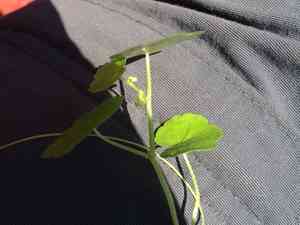
Relocate american marshpennywort during the ideal period between the end of frost and the onset of summer heat, making certain its new location offers ample moisture and dappled light. Attentive handling during this favorable interval guarantees vigorous development.
Essential Preparations Before Relocating American Marshpennywort
Optimal Timing for American Marshpennywort Relocation?
The most favorable period for moving american marshpennywort spans from mid-spring to the onset of summer. This timeframe offers american marshpennywort an extended growth cycle, enabling it to develop robust roots prior to colder months. Ensuring american marshpennywort is transplanted during this phase provides the warmth and stable conditions it prefers for healthy development. It allows gardeners to give american marshpennywort a head start, leveraging moist soil and milder temperatures to promote vigorous growth.
Recommended Spacing Between American Marshpennywort Plants?
For your new american marshpennywort plants, provide ample room for growth by positioning them 8-12 inches (20-30 cm) apart. This spacing will help them thrive without competing for nutrients or sunlight.
Ideal Soil Mixture for American Marshpennywort Transplanting?
Prepare a suitable bed for american marshpennywort using slightly acidic to neutral soil with good drainage. Before planting, enrich the soil with a balanced, slow-release fertilizer to provide them with a nutritional boost.
Selecting a New Location for Your American Marshpennywort?
Choose a location for american marshpennywort that receives full sun to partial shade. A spot with bright, indirect light or morning sunlight will create the perfect environment for these delicate perennials to flourish happily.
Equipment Needed Before Transplanting American Marshpennywort
Gardening Gloves
To safeguard your hands while handling soil and plants.
Shovel or Spade
For carefully excavating american marshpennywort with minimal root disruption.
Watering Can or Hose
To hydrate american marshpennywort before removal and after replanting.
Wheelbarrow or Garden Cart
For transporting american marshpennywort from its original spot to the new location.
Pruning Shears
For trimming any dead or excess foliage prior to transplanting.
Organic Mulch
To aid in retaining soil moisture around the new transplant site.
How to Extract American Marshpennywort from the Soil?
How to Extract American Marshpennywort from the Soil?
From Ground: First, moisten the american marshpennywort's soil to facilitate easier plant removal. Next, use a shovel or spade to dig a wide circle around the plant, being careful not to damage roots. Gently pry and lift american marshpennywort from the ground, aiming to keep the root ball as intact as possible.From Pot: Thoroughly water american marshpennywort. Turn the pot on its side and gently tap or squeeze it to loosen the soil and roots. Slowly slide the plant out, ensuring you support the soil and root ball with your hands.From Seedling Tray: Dampen the soil in the tray to simplify removal. Using a small tool or your fingers, carefully lift the american marshpennywort seedling by its leaves, not the stems, to prevent harm. Gently separate the roots if they have grown through the tray's cell.
Step-by-Step Guide for Relocating American Marshpennywort
Preparation
Before extracting american marshpennywort from its current position, ensure all necessary tools are ready and the new site is prepared.
Digging the new hole
Excavate a hole at the transplant site that is twice as wide and the same depth as american marshpennywort's root ball.
Transplanting
Position american marshpennywort in the center of the new hole. Backfill around the root ball with soil, ensuring the plant is at the same level as it was previously. Gently firm the soil but avoid heavy compaction.
Immediate Care
Water american marshpennywort generously immediately after transplanting to settle the soil and eliminate air pockets. Apply a layer of organic mulch around the plant, keeping it away from direct contact with the stem.
Support
If american marshpennywort is top-heavy or the location is exposed to strong winds, consider staking the plant or using supports to stabilize it until its roots become established.
Post-Transplant Care for American Marshpennywort
Consistent Watering
Water your american marshpennywort frequently to maintain consistent moisture, especially during the initial growing season after transplanting. Adjust watering frequency based on weather conditions and soil moisture levels.
Mulching
Replenish the mulch layer as needed to conserve moisture and suppress weeds without suffocating the plant.
Monitoring Plant Health
Watch for signs of transplant shock such as wilting or discolored leaves, and take appropriate action if necessary. This might involve adjusting your care routine or seeking advice from an experienced gardener or local nursery.
Addressing Common Issues During American Marshpennywort Transplantation.
When is the best time to move american marshpennywort?
Relocate american marshpennywort during its peak season in the warmth of late spring to early summer.
How much space does american marshpennywort need when being moved?
Provide ample room, approximately 8-12 inches (20-30 cm) apart, for proper growth and air circulation.
What depth should I plant american marshpennywort during relocation?
Place american marshpennywort in a snug hole, deep enough so the root ball is level with the soil surface.
Can american marshpennywort be transplanted on a rainy day?
Yes, a gentle rain offers ideal conditions, ensuring the soil is moist for american marshpennywort to flourish.
Should I prune american marshpennywort before moving it?
A light trim can encourage robust growth, but keep it minimal to prevent excessive stress.
How much should I water american marshpennywort after moving it?
Initially, water american marshpennywort generously to settle the soil around the roots, then maintain consistent moisture.
Why are the leaves on relocated american marshpennywort wilting?
Wilting could indicate shock or dehydration; ensure sufficient water and avoid direct sun for a few days.
My american marshpennywort appears yellow after moving, what should I do?
Yellowing might suggest stress or overwatering. Provide indirect light and closely monitor soil moisture.
How long will american marshpennywort take to establish after relocation?
With proper care, american marshpennywort should root and thrive within a few weeks.
Should fertilizer be applied when moving american marshpennywort?
Refrain from immediate fertilization; allow american marshpennywort to settle for a few weeks, then feed lightly if needed.



