Enhancing Your Garden Design with the American marshpennywort Plant: A Landscaping Guide
1
American marshpennywort flourishes in moist, boggy habitats.
2
American marshpennywort is effective for generating strong visual differences.
3
Consistent care ensures American marshpennywort thrives all year long.
Introducing American marshpennywort in Garden Design
Why is American marshpennywort perfect for garden settings?
American marshpennywort is a versatile plant known for its adaptability and minimal upkeep, making it an excellent addition to any landscape. It thrives in moist, boggy areas, offering dense green coverage that can fill spaces in garden beds or along water features. A key advantage is its resilience; American marshpennywort can withstand various weather conditions, from heavy rains to dry periods. This hardiness, coupled with its compact, low-growing form, provides a natural solution for erosion control and ground cover in garden areas where other plants might struggle.
The visual appeal of American marshpennywort
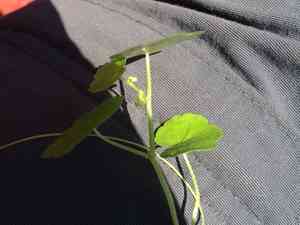
The aesthetic charm of American marshpennywort lies in its distinctive, rounded leaves and bright green hue, which can bring a refreshing vibrancy to your landscape design. The plant's delicate structure and attractive foliage create a soft, natural look that's perfect for adding a lush, inviting feel to garden paths, borders, or water edges. Beyond its visual appeal, American marshpennywort can complement various garden themes, from rustic to modern, enhancing both the texture and color diversity in your landscape.
Optimal Placement of American marshpennywort in Garden Layouts
Integrating American marshpennywort into water features
Integrating American marshpennywort into your water features can enhance your garden's aesthetic and ecological function. Whether you have a pond, stream, or fountain, American marshpennywort can be planted along the edges to soften the transition between water and land. Its semi-aquatic nature allows it to flourish in wet conditions, making it ideal for rocky outcroppings, wetland areas, or even shallow water margins. By doing so, you'll achieve a natural look that promotes biodiversity, as American marshpennywort provides a habitat for various beneficial insects and small aquatic creatures.
Ideal companion plants for American marshpennywort
Selecting the right companion plants can significantly boost your garden's beauty and vitality. American marshpennywort pairs well with a variety of moisture-loving plants such as ferns, hostas, and other ground covers like creeping jenny. These plants complement American marshpennywort visually with their contrasting textures and colors, creating an appealing mix. Additionally, these companions share similar growing conditions, ensuring your garden layout maintains consistent moisture levels and soil quality. This strategic pairing also helps in creating microhabitats, fostering a sustainable and balanced garden ecosystem.
Design Principles for American marshpennywort in Landscape Architecture
Creating focal points with American marshpennywort
Creating focal points using American marshpennywort can draw attention to specific areas of your garden and add unique character to the landscape. Consider placing American marshpennywort in prominent spots such as the center of a garden bed, around the base of a tree, or along pathways to guide the eye through your garden. You can also combine American marshpennywort with larger, bolder plants to create interesting layers and dimensions. This approach not only enhances the visual appeal of your garden but also encourages visitors to explore and appreciate different sections of your landscape.
Balancing color and texture with American marshpennywort
Balancing color and texture is vital for a cohesive and harmonious garden design. American marshpennywort's round, soft leaves provide a lovely contrast to the sharp, structured foliage of plants like irises or sedges. This interplay of different shapes and textures can make your garden more dynamic and visually engaging. To achieve the best results, consider a variety of plants that bloom in different seasons, ensuring continuous color and interest throughout the year. Furthermore, interspersing American marshpennywort with flowering plants can highlight its lush green leaves, making them stand out even more.
Seasonal Considerations for American marshpennywort
Spring and summer care guidelines for American marshpennywort
Spring and summer are active growing seasons for American marshpennywort, making it the ideal time to ensure your plant is thriving. Consistent watering is essential, especially during dry spells, to maintain the moisture levels that American marshpennywort prefers. Mulching around your plants can help retain soil moisture and prevent weeds. In addition, occasional feeding with a balanced, water-soluble fertilizer can promote healthy growth and vibrant leaves. Keep an eye out for pests and take prompt action if you notice any signs of infestation.
Preparing American marshpennywort for autumn and winter
As the weather cools, it's crucial to prepare American marshpennywort for the fall and winter months to ensure it remains healthy and vibrant. Begin by reducing the frequency of watering as the plant's growth slows down. It's also wise to clear away any dead leaves or debris that can harbor pests over the winter. Applying a layer of mulch before the first frost can help protect the plant's roots from extreme cold. Additionally, if you're in a particularly harsh climate, consider covering American marshpennywort with a protective fabric during severe weather events to safeguard it from frost damage.



