How to Prune American marshpennywort?
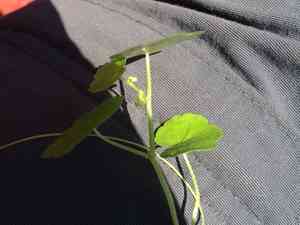
This enduring aquatic or semi-aquatic plant, characterized by its trailing stems, thrives in marshy environments. Trim american marshpennywort to sustain its vigor and stimulate development by cutting back any impaired or excessively long runners, employing sanitized clippers. The most favorable times for pruning are during spring and summer, when american marshpennywort is vigorously expanding. Consistent trimming averts excessive density and enhances air movement, thereby lowering the likelihood of ailments. Meticulous removal guarantees negligible disruption to its fragile root structure. Pruning additionally preserves the visual appeal of water features where american marshpennywort is frequently showcased.
Advantages of Trimming American Marshpennywort
Advantages of Trimming American Marshpennywort
Trimming american marshpennywort promotes robust development and maintains its desired shape. This enables the plant to direct energy towards building a strong structure and dense foliage, resulting in a healthier and more attractive specimen.
Optimal Time for Trimming American Marshpennywort
Optimal Time for Trimming American Marshpennywort
Trimming or cutting back american marshpennywort during spring and early summer coincides with the start of its active growth phase. In spring, following the last frost, american marshpennywort begins to emerge from its dormant winter state, making it an ideal time for pruning; this helps stimulate new growth and allows the gardener to shape the plant while it is still young and pliable. Early summer trimming is beneficial as it can be used to manage excessive growth resulting from the spring surge, ensuring that american marshpennywort maintains a desirable form and size. Furthermore, completing pruning before the late summer heat prevents stressing the plant during high temperature periods. These seasons also precede american marshpennywort's flowering and fruiting stages, preventing the accidental removal of flower buds or developing fruits that might occur during later growth stages. This timing ensures minimal disruption to the plant's natural life cycle, promoting vigor and health.
Necessary Tools for Trimming American Marshpennywort
Hand Pruners
For accurate cutting and shaping of american marshpennywort, a pair of sharp hand pruners is crucial. They provide clean cuts without harming delicate stems.
Pruning Shears
Perfect for cutting back overgrown sections or dead leaves. Pruning shears allow for quick, clean snips on american marshpennywort's fleshy stems.
Gardening Scissors
These are excellent for snipping off unhealthy parts of american marshpennywort and can easily navigate dense foliage.
Pruning Saw
Although american marshpennywort is not typically woody, a small pruning saw can be useful when dealing with older, thicker stems or extensive root systems.
How to Trim American Marshpennywort
Clean Tools
Before trimming american marshpennywort, begin by sanitizing pruning tools using a solution of 1 part bleach to 9 parts water to prevent disease transmission.
Inspect
Examine american marshpennywort for indications of diseased or withered leaves and diseased stems. This will help pinpoint the sections that require trimming.
Remove Diseased Leaves
Using the sterilized pruning shears, carefully snip off any diseased leaves at the base of their stems to prevent infection in healthy parts of american marshpennywort.
Remove Withered Leaves
Trim away withered leaves using the same method as diseased leaves to encourage the growth of new, healthy foliage on american marshpennywort.
Cut Diseased Stems
For diseased stems, make clean cuts at a 45-degree angle just above a leaf node or a lateral branch to promote quicker healing and regrowth in american marshpennywort.
Common Trimming Errors with American Marshpennywort
Excessive Trimming
Removing too much foliage at once, which can stress american marshpennywort and impede its growth.
Trimming Healthy Growth
Cutting away healthy leaves and stems, which are vital for photosynthesis and the overall health of american marshpennywort.
Tearing Stems
Using dull or unsuitable tools that tear rather than cut cleanly, potentially leading to disease entry in american marshpennywort.
Neglecting Tool Hygiene
Not sterilizing pruning tools between cuts and plants, increasing the risk of spreading diseases to american marshpennywort.
Ignoring Plant Structure
Trimming without understanding the growth patterns of american marshpennywort, which can result in unbalanced or unnatural-looking plants.
General Trimming Advice for American Marshpennywort
Selective Trimming
Remove only the dead or damaged foliage to maintain the plant's health and appearance without over-trimming.
Clean Cuts
Use sharp, clean pruning shears for making precise cuts that promote rapid healing in american marshpennywort.
Consistent Upkeep
Regularly inspect american marshpennywort for signs of pests or diseases and trim as needed to keep the plant healthy.
Enhancing Airflow
Thin out crowded areas to improve air circulation, which helps prevent fungal diseases in american marshpennywort.
Promoting New Growth
Pinch back the tips of the stems during the growing season to encourage bushier growth in american marshpennywort.



