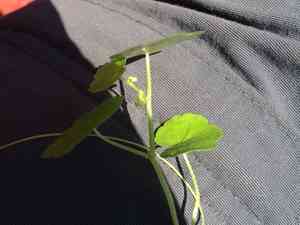
American marshpennywort (Hydrocotyle americana)
Also known as: Water pennywort, American water-pennywort
The American marshpennywort (Hydrocotyle americana) is a low-growing perennial commonly found in wetlands, wet meadows, and marshy areas. It produces small, white, star-like flowers and thrives in consistently moist soil. Ideal for use in water gardens, along pond edges, and in rain gardens, this plant serves as an excellent ground cover in damp locations.
In This Article
Attributes of American marshpennywort
Lifespan
Perennial
Plant Type
Herb
Plant Height
5 cm to 25 cm
Spread
Spreads widely with stolons
Leaf Color
Bright green
Flower Size
2.5 cm
Flower Color
White Yellow Green
Images of American marshpennywort
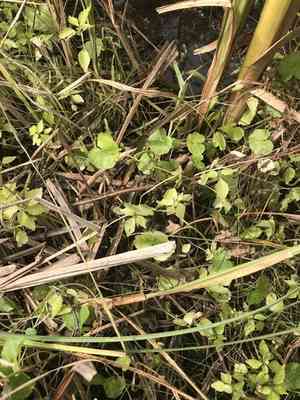
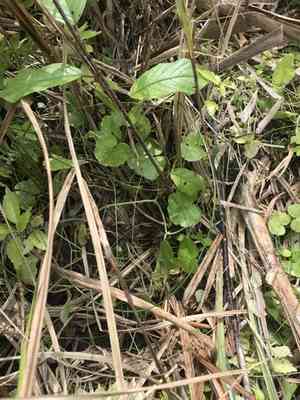
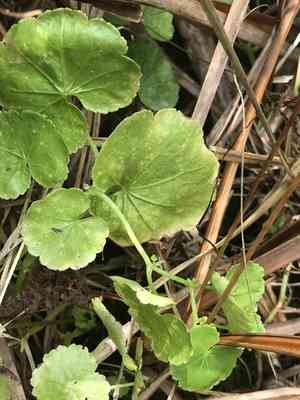
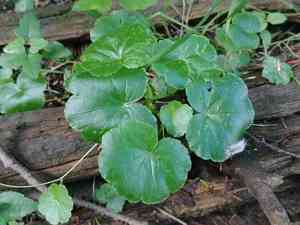
Quickly Identify American marshpennywort
1
Circular leaves resembling small coins, 1-3 inches (2.5-7.6 cm) in diameter.
2
Inconspicuous white flowers with 5 petals and 5 stamens, up to 1.8 inches (4.5 cm).
3
Diminutive flat fruit, approximately 0.2 inches (5 mm) in diameter, with two seeds.
4
Round to kidney-shaped leaves, 0.5-2.5 inches (1.3-6.4 cm) wide, with toothed lobes.
5
Hairless, slender stems that creep and root at nodes, less than 1/8 inch (3 mm) thick.
Scientific Classification of American marshpennywort
Phylum
Vascular plants
Class
Dicotyledons
Order
Apiales
Family
Umbellifers
Genus
Water Pennywort
Species
American marshpennywort
Planting and Growing of American marshpennywort
Care Difficulty
Easy
Watering Schedule
Every 2 days
Sunlight Requirements
Partial sun
Sunshine Duration
4-8 hours
Ideal Temperature
65-75℉
Soil Type
Potting Mix, Peat Mix
Soil pH
6.5-7.5
Fertilizer Type
Balanced
Pruning Season
Spring, Summer
Pruning Area
Branches, Leaves
Pruning Frequency
2 times a year
Repotting Season
Spring
Pot Type
Plastic, Terracotta
 How to Water American marshpennywort?
For Hydrocotyle americana, watering should be done thoroughly until the water seeps through the drainage holes at the bottom of the pot. The key is to ensure the soil remains consistently moist but not waterlogged, which is why letting excess water drain away is crucial.
What are the symptoms of an underwatered American marshpennywort?
›
What should I do if my American marshpennywort is not getting enough water?
›
What are the symptoms of an overwatered American marshpennywort?
›
How to save an overwatered American marshpennywort?
›
 What Are the Sunlight Requirements for American marshpennywort?
Hydrocotyle americana prefers partial sun to full shade conditions, with benefits including robust foliage and reduced stress risks. Ideal lighting ensures healthy photosynthetic processes, maintaining the plant's vigor and preventing leaf damage associated with extremes.
More About Sunlight Requirements Techniques→
How much light is optimal?
›
What are the solutions to achieve ideal light?
›
What are the benefits of ideal lighting?
›
 What Is the Ideal Temperature Range for American marshpennywort?
Hydrocotyle americana thrives best in temperatures between 65°F and 75°F. This temperature range provides the optimal conditions for growth and ensures the plant remains healthy. Keeping the temperature within these limits helps in proper photosynthesis, nutrient absorption, and overall plant vigor, reducing stress and promoting lush foliage.
 What Soil is Best for American marshpennywort?
Hydrocotyle americana thrives in soil with good moisture retention, helping to ensure consistent hydration. This benefits the plant by maintaining healthy growth and reducing the risk of dehydration, especially in warm climates. This plant benefits from soil rich in organic matter and nutrients, which supports vigorous growth and vibrant foliage. Regularly adding compost or organic fertilizers can greatly enhance these soil qualities. Adequate aeration in the soil assists in healthy root development by allowing oxygen to reach the roots. Well-aerated soil prevents root rot and supports the plant's absorption of water and nutrients.
 How to Fertilize American marshpennywort?
For Hydrocotyle americana, apply a balanced liquid fertilizer at half the recommended strength to avoid burning the tender roots. This plant appreciates a light feeding rather than a heavy-handed approach, making every drop count in promoting its lush foliage.
 How to Prune American marshpennywort?
To prune Hydrocotyle americana, start by sterilizing your scissors with a mixture of water and rubbing alcohol to prevent infection. Identify damaged, yellowing, or overgrown stems. Clip these stems close to the base, making clean cuts at a 45-degree angle. Remove any foliage that is overshadowing the healthy parts of the plant. After pruning, dispose of the cuttings to prevent pest attraction and water the plant thoroughly to encourage recovery. Monitor your plant weekly to determine the next pruning session.
More About Pruning Techniques→
 How to Propagate American marshpennywort plant?
1
Prepare well-draining soil by mixing potting soil with sand or perlite. Ensure the soil is free of weeds and debris to provide the best start for seeds or cuttings.
2
Sow seeds on the soil surface and lightly cover them with a thin layer of soil or vermiculite. Keep the soil moist but not waterlogged to encourage germination.
3
Cut healthy stems with at least three nodes using sharp pruning shears. Remove lower leaves and plant the cuttings in moist soil, ensuring at least one node is buried.
 How to Repot American marshpennywort plant?
1
Repotting Hydrocotyle americana is necessary when you notice roots protruding from the drainage holes or the soil drying out more quickly than usual. These are clear indications that the plant has outgrown its current pot. Additionally, if growth has significantly slowed, it might be time to refresh the soil and provide more space for the roots.
2
Choose a pot that is one size larger than the current one, ensuring it has adequate drainage holes at the bottom. The new pot should provide enough room for growth, allowing the roots to expand comfortably. A suitable pot helps prevent waterlogging, which can lead to root rot, ensuring the plant remains healthy and vibrant.
3
Opt for a well-draining potting mix ideal for Hydrocotyle americana. The soil should retain some moisture while ensuring excess water can escape easily. Using the right soil type prevents root rot and provides essential nutrients to maintain lush green foliage, promoting healthy growth and overall plant vigor.
Learn More About American marshpennywort Diseases
Anthracnose
Bacterial Leaf Spot
Bacterial Soft Rot
Bacterial Wilt
Chemical Injury
Damping-off
Downy Mildew
Drought Stress
Fusarium Wilt
Gray Mold
Leaf Spot
Mosaic
Nutrient Deficiency
Nutrient Toxicity
Powdery Mildew
Root Rot
Root-knot Nematode
Sooty Mold
Spider Mites
Temperature Stress
Thrips Damage
White Mold



