How to Transplant Harlequin lotus?
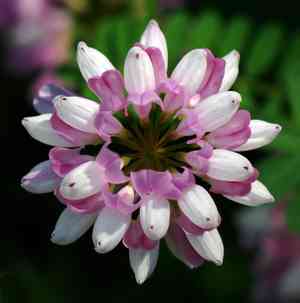
Relocating harlequin lotus is most effective in the mild period from late spring to early summer, providing ideal circumstances for growth. Select a bright location featuring soil that drains efficiently to foster robust progress, and ensure regular watering after the move to facilitate adaptation.
What Preparations are Needed Before Transplanting Harlequin Lotus?
What is the Ideal Time for Transplanting Harlequin Lotus?
The best time to move harlequin lotus is from late spring to early summer. This period allows harlequin lotus to settle into warm, fertile soil, benefiting from longer daylight hours. Roots can spread comfortably in mild temperatures, avoiding intense summer heat. Furthermore, transplanting harlequin lotus at this time ensures a strong start, leading to vigorous growth and an impressive display. It's an ideal moment to introduce harlequin lotus to its new home when nature is most welcoming to new beginnings!
How Much Space Should You Leave Between Harlequin Lotus Plants?
When relocating harlequin lotus, provide ample room for growth. Position them approximately 12-18 inches (30-45 cm) apart. This spacing ensures each harlequin lotus has sufficient area to develop without crowding, allowing for proper nutrient uptake and air circulation.
What is the Best Soil Mix for Harlequin Lotus Transplanting?
For harlequin lotus, create an optimal environment by blending organic compost with your garden soil. Aim for well-draining soil enriched with organic matter. A balanced, slow-release fertilizer will give your harlequin lotus an excellent start. Consider it a welcoming meal for your plants!
Where Should You Relocate Your Harlequin Lotus?
Select a sunny location for your harlequin lotus, where they will receive at least 6 hours of direct sunlight daily. Morning sun with some afternoon shade is ideal, especially to keep them healthy during hotter periods.
What Equipments Should You Prepare Before Transplantation Harlequin Lotus?
Gardening Gloves
To safeguard your hands while handling soil and plants.
Trowel
For excavating smaller harlequin lotus specimens or refining the planting hole.
Shovel or Spade
For digging around the plant to extract it from the ground and preparing the new planting site.
Watering Can or Hose
To hydrate the harlequin lotus before and after relocation.
Wheelbarrow
To move the harlequin lotus and soil to and from the transplanting area.
Pruning Shears
To trim any damaged roots or foliage prior to transplanting.
How Do You Remove Harlequin Lotus from the Soil?
How Do You Remove Harlequin Lotus from the Soil?
From Ground: Hydrate the harlequin lotus to moisten the soil. Then, use a shovel or spade to dig a wide trench around the plant, preserving the root ball's integrity. Carefully work the tool beneath the root ball to gently lift the plant.From Pot: Start by watering the harlequin lotus to facilitate removal. Turn the pot on its side, hold the plant by its base, and tap the pot's bottom to loosen it. Gradually ease the plant out, keeping the root ball intact.From Seedling Tray: Dampen the soil in the tray for easier extraction. Use a trowel or your fingers to carefully lift the harlequin lotus from each cell, ensuring the root ball and roots remain undamaged.
Step-by-Step Guide for Transplanting Harlequin Lotus
Preparation
Ensure all necessary tools are at hand and the new site for your harlequin lotus is ready for planting.
Plant Removal
Use the appropriate removal technique from the 'removal_process' section to extract your harlequin lotus from its original spot while protecting its root system.
Hole Digging
Excavate a hole in the new location that is twice the width of the harlequin lotus’s root ball and equally deep. This provides ample room for root expansion.
Positioning
Center the harlequin lotus in the hole so the top of the root ball is level with the surrounding soil. Adjust the hole's depth if needed.
Filling In
Backfill the hole around the harlequin lotus’s root ball with soil, gently tamping to eliminate air pockets without over-compacting.
Watering
Thoroughly water the harlequin lotus after planting to settle the soil around the roots and provide moisture.
Support
If the harlequin lotus is large or the area is windy, consider staking the plant for extra support until its roots are established.
How Do You Care For Harlequin Lotus After Transplanting?
Initial Watering
Water the harlequin lotus deeply immediately after transplanting to help reduce shock and settle the soil.
Mulching
Apply a layer of mulch around the base of the harlequin lotus to help retain moisture and stabilize soil temperature.
Monitoring
Observe the harlequin lotus closely over the next few weeks for signs of transplant stress, such as wilting or discolored leaves.
Support
Ensure any stakes or supports are firm and adjust them as the harlequin lotus grows.
Pruning
Remove any damaged or dead leaves or stems to encourage new growth and maintain plant vitality.
Troubleshooting Common Issues with Harlequin Lotus Transplantation.
Why is my harlequin lotus not thriving after transplanting?
Ensure harlequin lotus is transplanted during the optimal period of late spring to early summer for best growth. Verify soil moisture, sun exposure, and that it's planted at its original depth.
How much space does harlequin lotus need when transplanting?
For optimal growth, plant harlequin lotus seedlings 12-18 inches (30-45 cm) apart to provide sufficient room to flourish.
What's the best soil type for transplanting harlequin lotus?
Select well-draining soil rich in organic matter for harlequin lotus, as waterlogged conditions can harm the roots.
How deep should I plant harlequin lotus during transplanting?
Place harlequin lotus in a hole as deep as its root ball, but no deeper, to promote healthy growth without burying the stem.
Is there a recommended watering schedule post-transplant for harlequin lotus?
After transplanting, water harlequin lotus thoroughly to settle the soil around the roots. Maintain consistent moisture, but avoid overwatering.
Why are harlequin lotus leaves turning yellow post-transplant?
Yellowing leaves may indicate stress from excessive watering, insufficient light, or nutrient deficiencies. Adjust care as needed.
Should I fertilize harlequin lotus right after transplanting?
Wait a few weeks post-transplant before fertilizing to allow harlequin lotus to establish. Use a balanced, slow-release fertilizer for optimal results.
How do I protect transplanted harlequin lotus from pests?
Regularly inspect harlequin lotus for signs of pests. If necessary, use organic pest control methods to minimize damage while harlequin lotus establishes.
Can I transplant harlequin lotus in a container?
Yes, harlequin lotus can thrive in containers. Ensure the pot has drainage holes and is wide enough to accommodate growth.
How soon can I expect harlequin lotus to flower after transplanting?
With proper care, harlequin lotus should adapt quickly to its new location, but flowering time may vary based on environmental factors and plant health.



