The Harlequin lotus Plant Advantage: Maximizing Home and Office Appeal and Wellness
1
Harlequin lotus is recognized for its inherent capacity to enhance soil health.
2
This flora draws in diverse pollinators, contributing significantly to ecological variety.
3
Harlequin lotus is remarkably simple to cultivate across various soil compositions and environments.
How Does Harlequin lotus Improve Soil Quality?
Nitrogen Fixation
Harlequin lotus plays a key role in nitrogen fixation, converting atmospheric nitrogen into a usable form for plants. This process enriches the soil, lessening the need for artificial fertilizers and fostering healthier plant development.
Enhancing Soil Structure
The root system of Harlequin lotus helps improve soil structure by decreasing compaction and boosting aeration. This enhances water penetration and encourages beneficial microorganism growth, further enriching the soil ecosystem.
Why Is Harlequin lotus Important for Biodiversity?
Attracting Pollinators
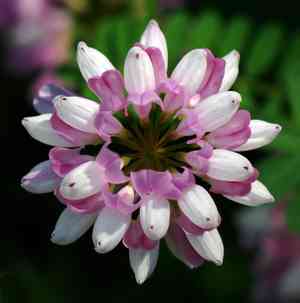
Harlequin lotus produces vibrant blooms that are excellent at drawing in pollinators like bees, butterflies, and other helpful insects. These pollinators are crucial for the reproduction of many plant species, supporting overall ecosystem health.
Supporting Wildlife
Beyond pollinators, Harlequin lotus provides habitat and sustenance for various wildlife. Its foliage offers shelter for small creatures, while its seeds and flowers serve as food for birds and insects, thus promoting richer biodiversity.
How to Grow and Maintain Harlequin lotus
Ideal Growing Conditions
Harlequin lotus thrives in diverse soil types, from sandy to clayey, making it highly adaptable. It prefers well-draining soil and locations with full to partial sunlight, ensuring vigorous growth and abundant flowering.
Maintenance Tips
Caring for Harlequin lotus is quite simple. Regular watering, especially during dry periods, helps keep the plant healthy. Pruning spent flowers encourages continuous blooming, and periodic soil tests can help ensure optimal growth conditions by indicating nutrient needs.
Can Harlequin lotus Be Used in Landscaping?
Aesthetic Appeal
Harlequin lotus offers a unique visual appeal due to its lush foliage and attractive flowers. It can be used in borders, rock gardens, and as ground cover, providing both visual interest and ecological advantages.
Functional Landscaping
Beyond aesthetics, Harlequin lotus can serve practical purposes in landscape designs. Its ability to enhance soil quality makes it ideal for restoration or erosion control areas. Additionally, its role in attracting pollinators ensures that ornamental gardens remain vibrant and lively.
Environmental Benefits of Harlequin lotus
Reducing Carbon Footprint
Harlequin lotus helps lower the carbon footprint by improving soil health and promoting the growth of other plants. Healthier soils are more effective at sequestering carbon, contributing to efforts to mitigate climate change.
Erosion Control
Due to its robust root system, Harlequin lotus is highly effective at preventing soil erosion. Planting it in vulnerable areas can stabilize the soil, reduce runoff, and protect water quality in nearby bodies of water.
Incorporating Harlequin lotus into Sustainable Practices
Urban Gardening
Harlequin lotus is an excellent choice for urban gardening projects. Its adaptability to various soil types and conditions makes it suitable for urban environments, where soil quality can vary greatly. It contributes to green spaces that support both human and ecological health.
Agricultural Benefits
In agriculture, Harlequin lotus can be used in crop rotation systems to naturally replenish soil nutrients. Its nitrogen-fixing properties reduce the need for chemical fertilizers, making farming practices more sustainable and environmentally friendly.
Community and Educational Value of Harlequin lotus
Public Awareness
Raising public awareness about the benefits of Harlequin lotus can foster community involvement in local gardening and conservation projects. Educational programs can highlight its ecological advantages, encouraging more people to cultivate this beneficial plant.
Hands-On Learning
Schools and educational institutions can use Harlequin lotus as a teaching tool to educate students about botany, ecology, and sustainable practices. Hands-on gardening projects involving Harlequin lotus can provide practical experience and promote environmental stewardship among young learners.



