How Much Sunlight Do Harlequin lotus Need?
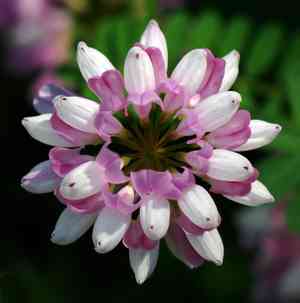
1
Harlequin lotus flourishes with ample sunlight, needing over 6 hours of direct sun each day.
2
Although Harlequin lotus can endure some shade, insufficient light may impede its development and flowering.
3
Modifying light exposure according to seasonal shifts is crucial for the best growth of your Harlequin lotus.
Grasping Harlequin lotus Illumination Needs
Optimal Light Conditions
The Harlequin lotus thrives in bright, direct sunlight. Ideally, it should receive over 6 hours of sun daily for vigorous growth and vivid flowers. More sun generally leads to better development. However, monitor the plant to prevent scorching during peak summer heat.
When is Sunlight Excessive?
While Harlequin lotus flourishes in full sun, too much light can be detrimental. Overexposure, especially during intense midday sun, can cause leaf burn and stress. If you reside in a very hot climate, consider providing light afternoon shade to protect the plant without depriving it of essential light.
Prime Locations for Harlequin lotus
Selecting the correct placement for your Harlequin lotus is vital for its health. A spot receiving morning sun but some protection from harsh afternoon rays is best. For indoor plants, consider south-facing windows; for gardens, open areas with full sun for most of the day are suitable.
Can Harlequin lotus Thrive in Shade?
Partial Shade Tolerance
Harlequin lotus can endure partial shade, though it's not ideal for maximum growth and blooming. Partial shade, where the plant gets at least 3 to 4 hours of sunlight, can suffice, but you might observe reduced flowering and overall vitality.
Impact of Insufficient Light
Inadequate light can significantly hinder your Harlequin lotus's growth. This may result in elongated stems, fewer blossoms, and paler foliage. If these signs appear, it might be time to move your plant to a brighter location.
Sunlight and Harlequin lotus Development
Light's Influence on Flowering
Sunlight is critical for the Harlequin lotus's blooming process. Sufficient light encourages abundant and vibrant flowers. Conversely, insufficient light will lead to fewer blooms and less intense color, diminishing the plant's aesthetic appeal.
Indicators of Light Stress
Early recognition of light stress signs can help you protect your Harlequin lotus. Common indicators include yellowing leaves, leaf scorch, or stretched stems as the plant seeks more light. Adjusting light exposure upon noticing these signs can prevent lasting damage.
Modifying Light Exposure
Adjusting light exposure for your Harlequin lotus involves moving the plant to an area that offers ideal sunlight. You may need to experiment with different spots to find the perfect balance. For indoor plants, using grow lights during winter or when natural light is scarce can be a beneficial strategy.
Seasonal Light Adjustments for Harlequin lotus
Winter Light Requirements
During winter, sunlight intensity and duration decrease. Harlequin lotus will require supplementary lighting to compensate for shorter days. Employing grow lights or placing the plant in the brightest available spot can help sustain its growth and health through the colder months.
Summer Light Management
In summer, managing intense sunlight is crucial to prevent scorching. If the summer sun is too harsh, providing light shade during peak hours with a sheer curtain or strategically placing the plant for partial light can make a significant difference. Regularly monitor the plant for stress and adjust as needed.



