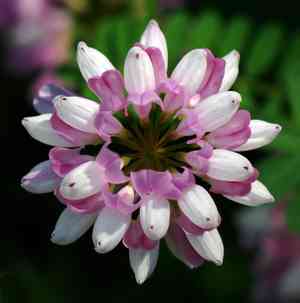
Harlequin lotus (Hosackia gracilis)
Also known as: Witch's-teeth
The Harlequin Lotus (Hosackia gracilis) is a wildflower that thrives in perpetually wet areas during the spring and summer. Known for its resistance to deer, this perennial herb is considered a potential nectar source for the rare Lotis Blue Butterfly. Although it is not commonly seen in the wild, the Harlequin Lotus has been successfully grown in bee and rain gardens.
In This Article
Attributes of Harlequin lotus
Lifespan
Perennial
Plant Type
Herb
Plant Height
20 cm to 51 cm
Spread
45 cm to 90 cm
Leaf Color
Green
Flower Size
1 cm to 2 cm
Flower Color
White Yellow Pink Purple Red Orange
Images of Harlequin lotus

Quickly Identify Harlequin lotus
1
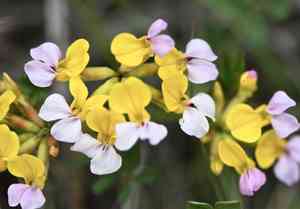
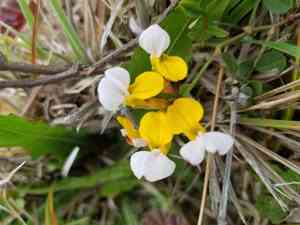
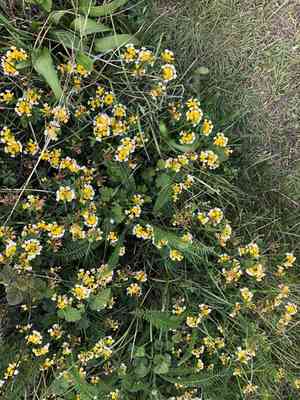
Hosackia gracilis can be identified by its delicate, slender stems and small, pea-like yellow flowers with a hint of red on the petals. The leaves are divided into several small leaflets, which give it a fine, feathery appearance.
Scientific Classification of Harlequin lotus
Phylum
Vascular plants
Class
Dicotyledons
Order
Fabales
Family
Legume
Genus
Hosackia
Species
Harlequin lotus
Planting and Growing of Harlequin lotus
Care Difficulty
Easy
Watering Schedule
Every 4 days
Sunlight Requirements
Partial sun
Sunshine Duration
4-6 hours
Ideal Temperature
65-75℉
Soil Type
Potting Mix, Peat Mix
Soil pH
6.5-7.5
Fertilizer Type
Balanced
Pruning Season
Spring, Summer
Pruning Area
Branches, Leaves
Pruning Frequency
Once a year
Repotting Season
Spring
Pot Type
Ceramic, Plastic
 How to Water Harlequin lotus?
Hosackia gracilis requires about 250 milliliters of water per session. The goal is to moisten the soil evenly, ensuring it reaches the root zone without making the soil soggy. Watering should be guided by the plant's natural habitat, avoiding excessive wetness or dryness.
What are the symptoms of an underwatered Harlequin lotus?
›
What should I do if my Harlequin lotus is not getting enough water?
›
What are the symptoms of an overwatered Harlequin lotus?
›
How to save an overwatered Harlequin lotus?
›
 What Are the Sunlight Requirements for Harlequin lotus?
Partial sun allows the plant to photosynthesize effectively, promoting healthy leaf coloring and consistent blooming.
More About Sunlight Requirements Techniques→
What is the ideal lighting condition for Hosackia gracilis?
›
How to achieve ideal lighting for Hosackia gracilis?
›
Why is ideal lighting important for Hosackia gracilis?
›
 What Is the Ideal Temperature Range for Harlequin lotus?
Hosackia gracilis thrives best in temperatures ranging from 65°F to 75°F. This range ensures optimal growth and flowering, as it closely mimics its natural habitat. Maintaining these temperatures allows for robust plant development and vibrant blossoms.
 What Soil is Best for Harlequin lotus?
Hosackia gracilis thrives in well-drained soil where water doesn't linger. This condition prevents root rot and helps the plant's roots receive adequate oxygen, promoting healthy growth. The plant benefits from soil rich in organic matter, as it provides essential nutrients that fuel growth and development. Adding compost or aged manure can enhance soil fertility for optimal plant performance. Maintaining moderate soil moisture is key. While it enjoys some moisture, waterlogging can be detrimental. Irrigation should be balanced to keep the soil moist but not saturated, supporting steady plant health.
 How to Fertilize Harlequin lotus?
For Hosackia gracilis, a balanced liquid fertilizer should be diluted to half its strength. Apply 1/4 cup per watering session, ensuring it is well-mixed with water to provide even distribution. Adjust based on the plant's growth and seasonal changes.
 How to Prune Harlequin lotus?
Start by locating any branches that appear dead, damaged, or diseased. These should be removed to prevent further spread and to encourage healthy growth. Focus on trimming parts of the plant that look overgrown or unwieldy. Aim to maintain a pleasing shape while opening up the plant canopy for light penetration and airflow. Prune in early Spring after the last frost, using a technique that involves cutting just above a leaf node or bud. This stimulates new, vigorous growth precisely where it's needed most.
More About Pruning Techniques→
 How to Propagate Harlequin lotus plant?
1
Select healthy, viable seeds for propagation. Soak the seeds in water overnight to enhance germination. This step ensures the seeds absorb sufficient moisture, which is critical for breaking dormancy.
2
Use a sharp, sterile cutting tool to snip healthy stems, ideally about 4-6 inches long. It's crucial to cut just below a node for optimal root development when planted in soil or water.
3
Place prepared cuttings in a moistened propagation medium like perlite or a perlite-peat mix. This environment supports root growth by providing adequate aeration and moisture retention.
 How to Repot Harlequin lotus plant?
1
Hosackia gracilis should be repotted when its roots begin to outgrow the container, often noticeable through drainage holes or when the plant shows signs of slowed growth. This usually occurs every 2-3 years, so keep an eye out for these indicators.
2
Select a pot that is one size larger than the current one, with sufficient drainage holes. This prevents waterlogging, provides root space for growth, and helps maintain healthy oxygen levels around the roots.
3
Opt for a well-draining sandy loam that allows excess water to flow freely while retaining enough moisture for root health. This kind of soil reduces the risk of root rot and promotes robust growth.
Toxicity
ingestion
WARNING
The judgment on toxicity and danger is for reference only. We DO NOT GUARANTEE any accuracy of such judgment. Therefore, you SHALL NOT rely on such judgment. It is IMPORTANT TO SEEK PROFESSIONAL ADVICE in advance when necessary.
Learn More About Harlequin lotus Diseases
Anthracnose
Bacterial Leaf Spot
Bacterial Wilt
Crown Gall
Cyst Nematode
Damping-off
Downy Mildew
Drought Stress
Fusarium Wilt
Gray Mold
Leaf Curl
Leaf Spot
Mosaic
Nutrient Deficiency
Nutrient Toxicity
Powdery Mildew
Root Rot
Root-knot Nematode
Rusts
Sooty Mold
Spider Mites
Temperature Stress
Thrips Damage
White Mold



