How to Transplant Prostrate hutchinsia?
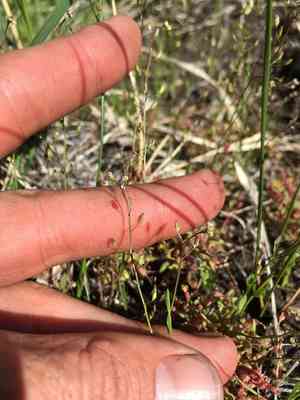
Prostrate hutchinsia flourishes when relocated between early and late spring, since this timeframe offers ideal conditions for its growth. Make certain to select a bright, well-draining spot to aid its establishment and vigorous progress.
What Preparations are Needed Before Transplanting Prostrate Hutchinsia?
What is the Ideal Time for Transplanting Prostrate Hutchinsia?
Moving prostrate hutchinsia, an annual, during early to late spring is optimal. Mild temperatures and increased daylight encourage strong root development and lessen transplant shock. This timing ensures the plant establishes well prior to summer's heat, maximizing growth and ensuring a vibrant display.
How Much Space Should You Leave Between Prostrate Hutchinsia Plants?
When relocating prostrate hutchinsia, ensure each plant is spaced 6-12 inches (15-30 cm) apart. This spacing allows plants ample room to grow without excessive competition for nutrients and sunlight.
What is the Best Soil Mix for Prostrate Hutchinsia Transplanting?
For prostrate hutchinsia, utilize well-draining soil blended with organic compost. A general-purpose fertilizer can be incorporated to enrich the soil, fostering healthy growth. Aim for a balanced fertilizer such as a 10-10-10 mix.
Where Should You Relocate Your Prostrate Hutchinsia?
Prostrate hutchinsia thrives best in full sun to partial shade. Select a garden spot where the plant will receive at least 4-6 hours of daily sunlight, ensuring robust and healthy growth.
What Equipments Should You Prepare Before Transplantation Prostrate Hutchinsia?
Gardening Gloves
To safeguard your hands while handling soil and plants.
Trowel
For excavating soil and creating planting holes.
Shovel
For digging larger holes and moving earth.
Watering Can or Hose
To hydrate the plant before and after relocation.
Garden Fork
To assist in loosening soil if the plant is in the ground.
Plant Labels
To identify newly moved plants if you are performing multiple transfers.
How Do You Remove Prostrate Hutchinsia from the Soil?
How Do You Remove Prostrate Hutchinsia from the Soil?
From Ground: First, moisten the prostrate hutchinsia plant to dampen the soil. Next, dig a wide trench around the plant using a shovel or spade, ensuring the plant's root ball remains intact. Carefully work the spade beneath the root ball to lift the plant from its original spot.From Pot: Thoroughly water the prostrate hutchinsia plant to loosen the soil. Gently tilt the pot on its side and tap the bottom to slide the plant out. If necessary, run a trowel along the pot's edge to help free the roots.From Seedling Tray: Water the seedlings before moving them. Use a pencil or your finger to gently push the plant up from the tray's bottom, taking care not to harm the roots.
Step-by-Step Guide for Transplanting Prostrate Hutchinsia
Site Preparation
Prepare the new spot by digging a hole slightly larger than the prostrate hutchinsia plant's root ball.
Soil Preparation
Loosen the soil at the bottom of the hole to encourage root expansion. Amend the soil with a small amount of compost if needed.
Plant Placement
Position the prostrate hutchinsia plant in the hole, ensuring the top of the root ball is level with the surrounding ground.
Soil Backfill
Gently refill the hole with soil, lightly pressing it down to eliminate any air pockets. Avoid over-compacting the soil as it may impede root growth.
Watering
Water the prostrate hutchinsia plant generously immediately after planting to help settle the soil around its roots.
How Do You Care For Prostrate Hutchinsia After Transplanting?
Watering
Keep the soil around the prostrate hutchinsia consistently moist, but not waterlogged, for the initial weeks post-transplant to aid in root establishment.
Mulching
Apply a thin layer of mulch around the plant's base to retain moisture and suppress weeds.
Monitoring
Observe the prostrate hutchinsia plant for any indications of transplant shock, such as wilting or yellowing leaves, and provide additional care as necessary.
Protection
If the weather suddenly becomes hot or windy, offer some shade or wind protection to help the plant acclimate.
Troubleshooting Common Issues with Prostrate Hutchinsia Transplantation.
When should I transplant prostrate hutchinsia?
The optimal period to transplant prostrate hutchinsia is from early to late spring when temperatures are moderate.
How far apart should prostrate hutchinsia be spaced?
Prostrate hutchinsia should be spaced 6-12 inches (15-30 cm) apart to allow for healthy development.
What type of soil is best for prostrate hutchinsia?
Prostrate hutchinsia thrives in well-drained, moist soil. Ensure the soil is not overly compacted.
How do I prepare the soil for transplanting prostrate hutchinsia?
Loosen the soil to a depth of 6 inches (15 cm) and incorporate organic compost.
How do I handle prostrate hutchinsia seedlings?
Gently lift prostrate hutchinsia seedlings by their leaves, avoiding damage to their delicate root systems.
What should I do if prostrate hutchinsia starts wilting after transplanting?
Water prostrate hutchinsia thoroughly and provide partial shade until it re-establishes itself.
How often should I water prostrate hutchinsia after transplanting?
Maintain consistently moist but not waterlogged soil. Water more frequently in warmer conditions.
Can I transplant prostrate hutchinsia on a windy day?
Avoid transplanting prostrate hutchinsia on windy days to prevent stress and harm to the seedlings.
What can I use for mulch around prostrate hutchinsia?
Utilize organic mulch, such as straw or bark, to retain moisture and regulate soil temperature.
How deep should I plant prostrate hutchinsia seedlings?
Plant prostrate hutchinsia seedlings at the same depth they were in their original containers to prevent stress.



