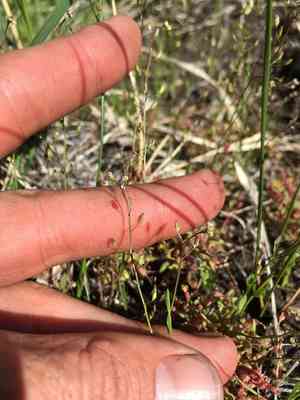
Prostrate hutchinsia (Hornungia procumbens)
Also known as: Hymenolobus
This annual herb produces white flowers and has a versatile growth habit. It can either trail along the ground or grow upright, reaching heights of up to 30 centimeters when standing.
In This Article
Attributes of Prostrate hutchinsia
Lifespan
Annual
Plant Type
Herb
Plant Height
5-15 cm
Spread
N/A
Leaf Color
Green
Flower Size
2-4 mm
Flower Color
White
Images of Prostrate hutchinsia
Quickly Identify Prostrate hutchinsia
1
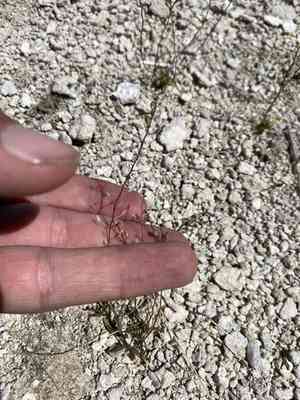
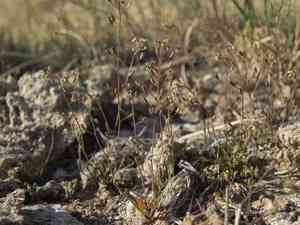
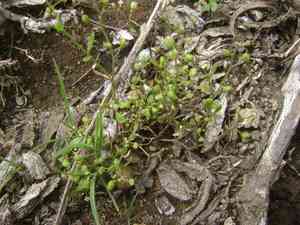
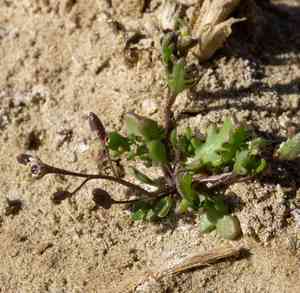
Hornungia procumbens can be identified by its procumbent growth form, small white flowers, and distinctive crescent-shaped seed pods. The leaves are generally oval and create a rosette at the base.
Scientific Classification of Prostrate hutchinsia
Phylum
Vascular plants
Class
Dicotyledons
Order
Brassicales
Family
Cruciferae
Genus
Hornungia
Species
Prostrate hutchinsia
Planting and Growing of Prostrate hutchinsia
Care Difficulty
Easy
Watering Schedule
Every 2 days
Sunlight Requirements
Full sun
Sunshine Duration
4-8 hours
Ideal Temperature
59-77℉
Soil Type
Potting Mix, Peat Mix
Soil pH
6.5-7.5
Fertilizer Type
Balanced
Pruning Season
Spring, Summer
Pruning Area
Branches, Leaves
Pruning Frequency
2 times a year
Repotting Season
Spring
Pot Type
Plastic, Ceramic
 How to Water Prostrate hutchinsia?
When watering Hornungia procumbens, it's crucial to provide just enough water to moisten the soil without saturating it. This plant prefers a well-drained environment, so water until the soil feels damp to the touch at a depth of about an inch. Overwatering can lead to root rot, hence caution is necessary.
What are the symptoms of an underwatered Prostrate hutchinsia?
›
What should I do if my Prostrate hutchinsia is not getting enough water?
›
What are the symptoms of an overwatered Prostrate hutchinsia?
›
How to save an overwatered Prostrate hutchinsia?
›
 What Are the Sunlight Requirements for Prostrate hutchinsia?
Hornungia procumbens thrives in full sun to partial sun conditions. Ideal lighting supports robust growth, enhances photosynthesis, and maintains its aesthetic appeal through lush, vigorous foliage development.
What is the best location for Hornungia procumbens?
›
How can I ensure proper sunlight exposure?
›
What are the benefits of optimal sunlight for this plant?
›
 What Is the Ideal Temperature Range for Prostrate hutchinsia?
For optimal growth, Hornungia procumbens thrives in a temperature range between 59°F and 77°F. This range provides the best conditions for metabolic processes, promoting healthy growth and reproduction.
 What Soil is Best for Prostrate hutchinsia?
Hornungia procumbens thrives in well-drained soil, preventing water stagnation and root rot. This requirement ensures optimal aeration and water regulation, promoting healthy root development. Having a nutrient-rich soil is essential for Hornungia procumbens, as it supports vigorous growth and flowering. Nutrients in the soil provide the essential elements necessary for photosynthesis and overall plant health. The plant prefers soil that maintains a moderate level of moisture to sustain its metabolic processes. Too much or too little moisture can stress the plant, affecting its growth and vitality.
 How to Fertilize Prostrate hutchinsia?
Hornungia procumbens requires moderate fertilization. For liquid fertilizers, dilute to half the recommended strength to avoid root burn. Use around 20 mL per application to ensure the plant receives adequate nutrients without overdoing it.
 How to Prune Prostrate hutchinsia?
Begin by examining the plant for any dead, damaged, or diseased stems. These should be removed first to prevent their condition from affecting the rest of the plant. After removing unhealthy stems, focus on shaping the plant by trimming back overgrown areas. Aim for a balanced shape to encourage even growth and enhance its aesthetic appeal. If the plant is becoming too large for its space, carefully trim the outer edges, focusing on maintaining a natural look. This keeps the plant manageable and encourages bushier growth.
More About Pruning Techniques→
 How to Propagate Prostrate hutchinsia plant?
1
Fill the seed tray with potting mix, leaving a small gap at the top. Ensure the mix is moist, but not too wet, to provide the right conditions for seed germination.
2
Scatter the Hornungia procumbens seeds evenly across the surface of the potting mix. Cover them lightly with a thin layer of soil to protect the seeds while allowing them to receive sunlight.
3
Water the seeds gently with a spray bottle to avoid disrupting the soil and seeds. Keep the soil consistently moist, but be cautious of overwatering, which can cause root rot.
 How to Repot Prostrate hutchinsia plant?
1
Hornungia procumbens shows signs that it's time for repotting when roots start to circle the pot or emerge from the drainage holes. This indicates the plant has outgrown its current container. Another cue is if the growth appears stunted, which suggests the soil might be depleted of essential nutrients. The best time to repot is in spring or early summer when the plant is gearing up for active growth, ensuring it can quickly establish itself in the new pot.
2
Select a pot with adequate drainage and enough room to accommodate root growth for the next couple of years. Ideally, choose a container that's one to two inches larger in diameter than the current one. This ensures adequate space for root expansion without over-potting, which can lead to waterlogging. A good quality, breathable terracotta pot is often preferred, as it aids in moisture regulation and keeps roots healthy.
3
Opt for a well-draining, sandy soil mix to mimic the plant's natural habitat. This allows efficient drainage and prevents root rot. A mix with some organic material can offer essential nutrients but ensure it doesn't retain too much moisture. Sandy loam enriched with a bit of peat or compost generally works well. The right soil mix supports healthy growth and minimizes potential water-related issues.



