How to Prune Prostrate hutchinsia?
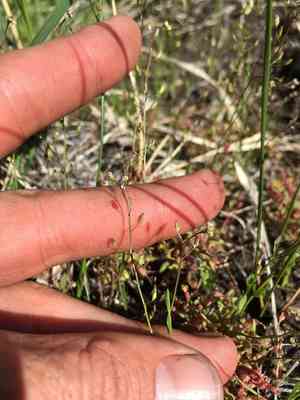
Hutchinsia prostrata, a low-lying, sprawling annual, benefits most from trimming in spring, summer, or autumn to foster more compact development and preserve its form. For peak vitality, consistently eliminate any withered or compromised leaves. Judicious trimming not only boosts visual appeal but also betters air movement, lessening vulnerability to ailments. Employ keen cutting tools to prevent lacerating the fragile stalks.
Advantages of Trimming Prostrate Hutchinsia
Advantages of Trimming Prostrate Hutchinsia
Trimming prostrate hutchinsia promotes robust development and preserves its compact form. Eliminating old or overgrown stems improves the plant's overall vitality and visual appeal, which is vital for limited garden areas.
Optimal Time for Trimming Prostrate Hutchinsia
Optimal Time for Trimming Prostrate Hutchinsia
Trimming prostrate hutchinsia in Spring is advantageous as it boosts the plant's growth by removing old or dead foliage, making room for new development. Summer trimming helps maintain prostrate hutchinsia's shape and prevents excessive growth, ensuring the plant remains visually pleasing and healthy. Fall trimming is essential for removing any damaged or diseased parts before the plant enters dormancy in winter, reducing the chance of problems spreading into the next growing season.
Necessary Tools for Trimming Prostrate Hutchinsia
Small, sharp scissors or snips
Given the delicate structure and small size of prostrate hutchinsia, small and sharp scissors or snips are perfect for making accurate cuts without harming the surrounding plant tissues.
Hand pruners or secateurs
Prostrate hutchinsia may occasionally require the removal of thicker stems or overgrown sections. Hand pruners or secateurs are suitable for cutting through these with minimal effort, ensuring clean and healthy cuts.
Fine-tipped tweezers
For removing dead or unwanted tiny leaves or stems, especially in dense clusters, fine-tipped tweezers offer the precision needed to maneuver in tight spaces without disrupting the plant's overall structure.
How to Trim Prostrate Hutchinsia
Identify
Locate withered or dead leaves on prostrate hutchinsia. Focus on leaves that appear dry, discolored, or are visibly damaged.
Prepare
Get your tools ready. Use clean, sharp scissors or pruning shears for the trimming process. This prevents damage to the remaining healthy parts of prostrate hutchinsia and reduces disease transmission.
Trim
Carefully cut the withered leaves at their base, close to the stem. Ensure not to harm the nearby healthy leaves and stems, as prostrate hutchinsia has delicate structures.
Dispose
Properly discard the removed leaves. Do not leave them near prostrate hutchinsia as they could encourage disease or attract pests.
Inspect
After trimming, examine prostrate hutchinsia to ensure that no damaged leaves are left and the plant looks healthy and well-groomed. This helps to maintain the aesthetic and health of prostrate hutchinsia.
Frequent Trimming Errors with Prostrate Hutchinsia
Over-trimming
A common error among gardeners is removing too much foliage from prostrate hutchinsia, which can stress the plant and reduce its vigor. It's crucial to trim selectively, focusing only on damaged or unhealthy parts to avoid weakening prostrate hutchinsia.
Incorrect technique
Using improper trimming methods can lead to damage in prostrate hutchinsia. Gardeners sometimes use dull or dirty tools, which can create jagged cuts that are difficult for the plant to heal and may even introduce disease.
Neglecting plant form
Some gardeners might not consider the natural growth habit of prostrate hutchinsia. Maintaining the plant's natural form enhances its aesthetic and health. Random cutting can result in an unbalanced and untidy appearance.
General Trimming Advice for Prostrate Hutchinsia
Selective trimming
Carefully choose which stems or leaves to trim by focusing on those that are dead, diseased, or damaged. This targeted approach helps promote healthier growth and maintains the plant's natural shape.
Use sharp tools
Always use sharp, clean trimming tools to make precise cuts. Sharp cuts heal faster and are less likely to introduce pathogens. Clean your tools before and after using them to avoid the spread of disease.
Shape maintenance
While trimming, maintain the natural prostrate habit of prostrate hutchinsia. Lightly trim the edges to preserve its shape, encouraging a denser and more robust growth without altering its inherent form.



