How to Propagate Prostrate hutchinsia?
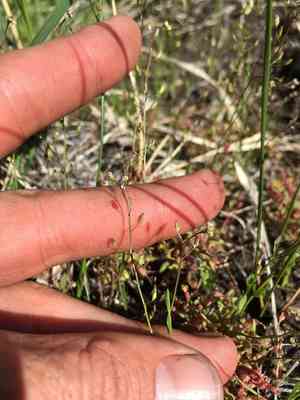
Prostrate hutchinsia flourishes when multiplied using the successful method of seeding. For peak outcomes, it's recommended to employ a potting blend that drains effectively, guaranteeing robust root growth and preventing excessive moisture. Seeds should be planted superficially to allow sufficient light penetration, which is vital for sprouting. Consistent, gentle irrigation fosters the damp conditions required for prostrate hutchinsia seeds to germinate effectively. Customizing the nurturing approach to these particular requirements will enable cultivators to successfully grow and appreciate this plant.
Optimal Time for Propagating Prostrate Hutchinsia
Propagation Method
Seeding
Propagation Period
Spring
Tools Required for Prostrate Hutchinsia Propagation
Seed trays
Seed trays are vital for initiating prostrate hutchinsia from seeds. These containers facilitate uniform seed distribution, ensuring each young plant has ample space to grow without competing for resources. Choose shallow trays with drainage holes to prevent waterlogging, which is essential for the delicate prostrate hutchinsia seeds.
Fine-textured seed starting mix
This substrate is crucial for planting prostrate hutchinsia, as its fine texture and sterile nature improve seed-to-soil contact, boosting water absorption and germination rates. The mix should be loose and drain well to offer an ideal setting for root development and disease prevention.
Misting bottle
A misting bottle helps maintain soil moisture without over-saturation, which is key for prostrate hutchinsia germination. The fine spray ensures small seeds remain undisturbed while providing necessary humidity and moisture to encourage sprouting without mold or fungal growth.
Plastic cover or humidity dome
Utilizing a plastic cover or humidity dome over seed trays can create a microclimate with elevated humidity, which benefits prostrate hutchinsia germination. This tool also aids in maintaining stable soil temperatures, improving germination success.
Tweezers
Tweezers are particularly effective for handling and precisely placing the tiny prostrate hutchinsia seeds. They assist in accurate seed placement within the starting mix, crucial for optimal space use and minimizing seed waste.
Labeling sticks or markers
Labeling sticks or markers are important for identifying prostrate hutchinsia seeds in a mixed propagation setup. Properly labeled trays help track growth progress and apply specific care requirements for prostrate hutchinsia after germination.
How to Propagate Prostrate Hutchinsia?
Propagation Type
Simple
Caring for Your Newly Propagated Prostrate Hutchinsia
Caring for Your Newly Propagated Prostrate Hutchinsia?
Post-propagation, gradually introduce seedlings to outdoor conditions if they began indoors. Plant them in a location with full sun to partial shade and well-drained soil. Consistent watering is vital, especially during dry spells, but avoid overwatering. As prostrate hutchinsia is a low-growing groundcover, minimal fertilization is required. Regularly check for pests and diseases, though prostrate hutchinsia generally exhibits good pest resistance.
Common Errors to Avoid When Propagating Prostrate Hutchinsia
Overwatering
Excessive watering can cause root rot in prostrate hutchinsia, particularly given its preference for well-drained soils. Too much moisture can create an oxygen-deprived environment around the roots, promoting the growth of harmful fungi and bacteria.
Deep planting
Planting prostrate hutchinsia seeds too deeply can significantly lower germination rates. Prostrate hutchinsia seeds need light for optimal germination, and burying them under a thick layer of soil can prevent them from receiving the necessary light exposure.
Ignoring soil type
Prostrate hutchinsia thrives in rocky, sandy, or loamy soils with good drainage. Using heavy clay or water-retentive soils can hinder root development and reduce overall plant vitality.
Neglecting spacing
While prostrate hutchinsia is a low-growing plant, overcrowding can lead to competition for light, nutrients, and water, which can impede growth and make the plants more vulnerable to disease.
Tips for Propagating Prostrate Hutchinsia
Surface sowing
For successful germination, prostrate hutchinsia seeds should be sown on the soil surface or with a very thin layer of soil. This ensures the seeds receive adequate light, which is crucial for this species to sprout.
Moisture regulation
Maintaining balanced soil moisture is critical for prostrate hutchinsia. The soil should be kept slightly damp but never waterlogged. Using a spray bottle to mist the soil can prevent over-watering while keeping it sufficiently moist.
Well-draining soil preparation
Preparing a well-draining growing medium is essential for prostrate hutchinsia. Incorporating sand and organic matter into the soil can improve drainage and provide a favorable environment for root growth.
Regular monitoring
Consistent observation and care for prostrate hutchinsia during the propagation phase can help in early detection of issues like soil dryness or pest infestations. Timely intervention can prevent minor problems from becoming major setbacks in plant development.



