How to Transplant Foxtail Barley?
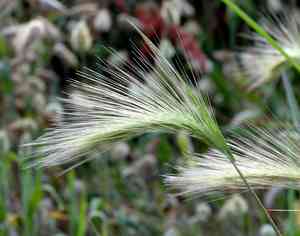
The ideal period for relocating foxtail Barley is during nature's resurgence and when the ground becomes temperate, facilitating excellent root development. Selecting a spot with adequately draining earth and ample sunlight will guarantee the prosperity of foxtail Barley. Carefully acclimating foxtail Barley to its new environment fosters vigorous expansion.
Essential Preparations Before Relocating Foxtail Barley
Optimal Timing for Foxtail Barley Relocation?
The best period to move foxtail Barley is during its spring revival, when the ground is warm and manageable, fostering ideal root development. Moving foxtail Barley at this time ensures a strong beginning, utilizing natural moisture for a smooth transition and improved growth. This helpful advice suggests transplanting foxtail Barley when nature is most supportive, guaranteeing your plants the best growth surge!
Recommended Spacing Between Foxtail Barley Plants?
When it's time to move your foxtail Barley, ensure each plant has ample room to expand. A distance of approximately 2-3 feet (60-90 cm) should be adequate. This provides sufficient space for the plants to spread without becoming overcrowded.
Ideal Soil Blend for Foxtail Barley Relocation?
For foxtail Barley, soil that drains well is crucial. Prepare your planting area with a mix of garden soil and compost to create a nutrient-rich foundation. A balanced fertilizer, such as a 10-10-10, is a good option to give your foxtail Barley a healthy start.
Where to Position Your Foxtail Barley?
Sun-loving foxtail Barley thrives in full sun to partial shade. However, the plant is quite adaptable and can tolerate some shade. Therefore, select a spot that receives at least 6 hours of sunlight daily for transplanting your foxtail Barley.
Tools Required Before Transplanting Foxtail Barley
Gardening Gloves
To safeguard your hands when handling soil and foxtail Barley.
Spade or Shovel
For digging the hole and carefully lifting the plant.
Garden Trowel
Useful for precise tasks and ideal for excavating smaller holes.
Watering Can/Hose
To hydrate the plant before and after its relocation.
Wheelbarrow
For moving the foxtail Barley plant from one spot to another.
Organic Compost
To enrich the garden soil for better nourishment, ensuring it's suitable for foxtail Barley.
How to Extract Foxtail Barley from the Soil?
How to Extract Foxtail Barley from the Soil?
From Ground: Start by watering the foxtail Barley plant to soften the earth. Then, using a spade, dig a wide circle around the plant, making sure the root ball stays intact. Carefully work the spade or shovel under the root ball to lift the plant from its current spot.From a Pot: Water the foxtail Barley, then turn the pot sideways, gently hold the plant's stem, and tap the bottom of its container until the plant slides out. Avoid pulling the plant, as this can harm the roots.From Seedling Tray: Water the seedlings, then use a small tool like a dibber or a pencil to gently pry the plant out, holding the foxtail Barley by their true leaves to keep the root system intact.
Step-by-Step Instructions for Relocating Foxtail Barley
Preparation
Prepare the new planting site before removing the foxtail Barley, digging a hole that is twice as wide and as deep as the plant's root ball.
Handle with Care
Gently lift the plant from its current location. Aim to keep as much of the original soil around the root ball as possible to minimize root disruption.
Placement
Position the foxtail Barley in the center of the hole. The top of the root ball should be level with the surrounding soil surface.
Backfilling
Refill the planting hole with a mix of garden soil and compost, ensuring no roots are exposed. Press the soil down gently but firmly.
Watering
Water the plant thoroughly immediately after planting, but avoid excessive watering.
Post-Transplant Care for Foxtail Barley
Watering
Most vital immediately after relocation. Water the foxtail Barley plant thoroughly but ensure not to overwater. Provide a good soaking once a week, adjusting based on weather conditions.
Protection
Shield the foxtail Barley plant from strong winds and extreme temperatures for a few days following transplanting. Use a shade cloth if necessary.
Monitoring
Regularly check the foxtail Barley plant for several weeks to confirm it's adapting well to its new environment. Watch for any wilting or leaf discoloration.
Addressing Common Issues with Foxtail Barley Relocation.
When is the best season to move foxtail Barley?
The ideal period for relocating foxtail Barley is during early spring and fall ('S1-S3'). This timing allows the plant to establish its roots before extreme heat or cold sets in.
What is the optimal spacing for foxtail Barley when relocating?
Foxtail Barley requires ample room to grow; providing about 2-3 feet (60-90 cm) between them will be perfect. This ensures their roots have sufficient space to develop without competing for nutrients.
What are the indicators that foxtail Barley needs to be relocated?
If foxtail Barley is wilting, exhibiting slow growth, or its roots are emerging from drainage holes, it's time to consider transplanting. Congested roots can impede the plant's healthy development.
Is pruning foxtail Barley necessary before relocation?
Pruning is not essential for foxtail Barley, but you may remove any dead or diseased foliage to direct energy towards root establishment in the new location.
How deep should I plant foxtail Barley?
Foxtail Barley should be planted at the same depth as it was in its previous pot. Remember not to bury the plant's crown, which can lead to stem rot.
Should I water foxtail Barley immediately after relocation?
Yes, to help the plant recover from transplant shock, water your foxtail Barley thoroughly after transplanting. Avoid overwatering, as it can suffocate the roots and cause rot.
What is the best soil type for relocating foxtail Barley?
Foxtail Barley thrives in fertile, well-drained soil. If your soil is clay or sandy, consider amending it with organic matter to improve its nutrient content and drainage.
How do I care for foxtail Barley after relocation?
After transplanting, water your foxtail Barley regularly but carefully, ensuring the soil remains moist but not waterlogged. Keep it in bright, indirect light and protect it from harsh environmental conditions.
What should I do if my relocated foxtail Barley shows signs of shock?
Transplant shock can occur in foxtail Barley and primarily appears as wilting. Ensure it's watered correctly but not excessively, protect it from extreme weather, and allow for a recovery period.
How do I know if foxtail Barley has adapted to its new location?
A healthy foxtail Barley after transplant will display new growth, and its leaves will be vibrant and firm. If these characteristics are not visible after a few weeks, consider adjusting the plant's position.



