The Foxtail Barley Plant Advantage: Maximizing Home and Office Appeal and Wellness
1
Excellent for preventing soil erosion because of its extensive root network.
2
Serves as a biological indicator, showing the condition and richness of the soil.
3
Offers a living space for numerous helpful insects and animals.
Why Foxtail Barley Excels in Erosion Control
Extensive Root System
Foxtail Barley is well-known for its broad and deep root network. These roots penetrate and stabilize the ground, effectively preventing soil loss. This trait makes Foxtail Barley an excellent option for areas susceptible to erosion, such as riverbanks, slopes, and construction sites.
Soil Structure Enhancement
The deep roots of Foxtail Barley not only secure the soil but also improve its composition. By breaking up compacted earth and facilitating better water absorption and retention, Foxtail Barley helps maintain soil health and fertility. This advantage is especially vital in farming regions where soil degradation can significantly impact crop yields.
Foxtail Barley as a Bioindicator: Its Role
Soil Health Indicator
Foxtail Barley functions as a bioindicator, meaning its presence and vitality can offer valuable insights into the soil's quality and state. Healthy, flourishing Foxtail Barley plants typically signify good soil structure, appropriate pH levels, and sufficient nutrient availability.
Contaminant Detection
Beyond general soil health, Foxtail Barley can also signal the presence of specific soil contaminants. For instance, if Foxtail Barley shows signs of stress or poor growth, it might indicate heavy metal contamination or other pollutants. This characteristic makes Foxtail Barley a useful tool in environmental monitoring and land management.
The Importance of Foxtail Barley for Wildlife
Habitat Provision
Foxtail Barley offers crucial habitat for various wildlife species, including insects, birds, and small mammals. Its dense foliage provides shelter and protection, while its seeds serve as a food source for birds and other animals.
Biodiversity Promotion
By supporting a range of wildlife species, Foxtail Barley contributes to the overall biodiversity of an area. Increased biodiversity offers numerous ecological benefits, including enhanced resilience to environmental changes and the improvement of ecosystem services like pollination and pest control.
Foxtail Barley's Agricultural Benefits
Cover Cropping
Foxtail Barley can be utilized as a cover crop in agricultural practices. Cover cropping involves cultivating Foxtail Barley during the off-season or between main crops to protect and enrich the soil. This method helps to suppress weeds, reduce soil erosion, and boost soil organic matter.
Companion Planting
Farmers can also employ Foxtail Barley in companion planting, where it is grown alongside other crops to provide various advantages. These may include pest control, improved microclimate conditions, and increased pollinator activity. Using Foxtail Barley in such practices can lead to more sustainable and productive agricultural systems.
How Foxtail Barley Enhances Landscape Beauty
Ornamental Appeal
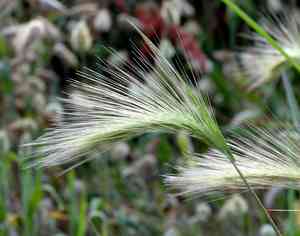
Foxtail Barley is widely valued for its ornamental qualities. The plant's elegant, feather-like seed heads and vibrant foliage add visual interest to gardens, landscapes, and urban green spaces. Its ability to thrive in diverse conditions also makes it a low-maintenance option for landscapers.
Drought Resistance
In addition to its aesthetic charm, Foxtail Barley is highly drought-tolerant. This trait makes it an excellent choice for xeriscaping or in areas where water conservation is vital. It can enhance a landscape's visual appeal while requiring minimal water and upkeep.



