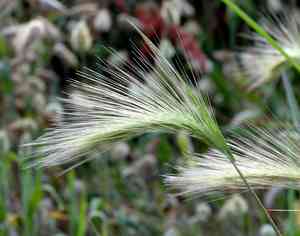
Foxtail Barley (Hordeum jubatum)
Also known as: Wild Barley, Squirrel-Tail Grass, Squirreltail Barley
Foxtail Barley (Hordeum jubatum) is a perennial grass reaching up to 61 cm in height. This ornamental grass features arching leaves and feathery flower spikes that range in color from green to pale pink or purple. It typically blooms from late spring through mid-summer. Preferring full sun, it thrives in both moist and dry soils. Often used to add visual appeal to rock gardens and borders, its delicate spikes gently sway in the wind.
In This Article
Attributes of Foxtail Barley
Lifespan
Perennial, Annual
Plant Type
Herb
Plant Height
60 cm
Spread
50 cm
Leaf Color
Green
Flower Size
5 cm to 8 cm
Flower Color
Green Red Pink Purple
Images of Foxtail Barley
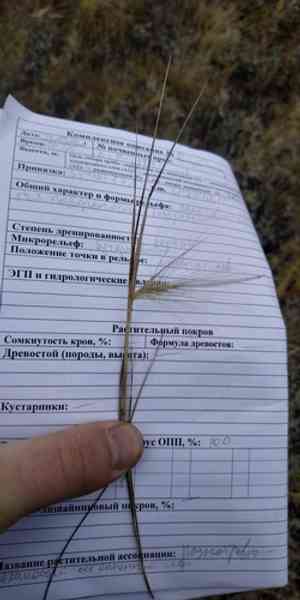
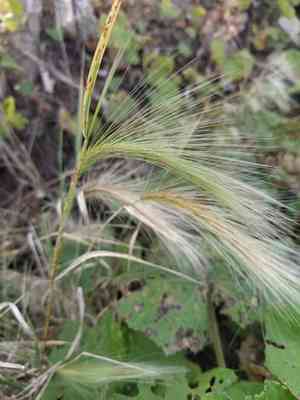
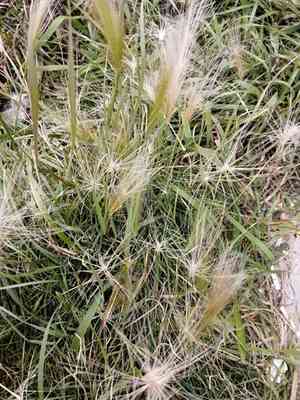
Quickly Identify Foxtail Barley
1
Hordeum jubatum can be identified by its long, soft awns on the seed heads, which give a fluffy appearance. The awns are usually around 5-10 cm (2-4 inches) long and can be green, purple, or golden as they mature. The leaves are linear and flat with a rough texture.
Scientific Classification of Foxtail Barley
Phylum
Vascular plants
Class
Monocotyledons
Order
Grasses, sedges and allies
Family
Grass
Genus
Barleys
Species
Foxtail Barley
Planting and Growing of Foxtail Barley
Care Difficulty
Easy
Watering Schedule
Every 3 days
Sunlight Requirements
Full sun
Sunshine Duration
4-8 hours
Ideal Temperature
55-75℉
Soil Type
Potting Mix, Peat Mix
Soil pH
6.5-7.5
Fertilizer Type
Balanced
Pruning Season
Spring, Summer
Pruning Area
Branches, Leaves
Pruning Frequency
2 times a year
Repotting Season
Spring
Pot Type
Plastic, Ceramic
 How to Water Foxtail Barley?
For Hordeum jubatum, it's crucial to maintain a balance in moisture. Each watering session should involve approximately 500 milliliters, aiming to saturate the soil without creating standing water. This amount ensures that the roots receive adequate moisture without drowning, promoting healthy growth.
What are the symptoms of an underwatered Foxtail Barley?
›
What should I do if my Foxtail Barley is not getting enough water?
›
What are the symptoms of an overwatered Foxtail Barley?
›
How to save an overwatered Foxtail Barley?
›
 What Are the Sunlight Requirements for Foxtail Barley?
Hordeum jubatum thrives best in full to partial sunlight environments, benefiting from approximately 6 to 8 hours of daily sun. This exposure supports healthy photosynthesis and vibrant growth.
More About Sunlight Requirements Techniques→
What is the best light condition for Hordeum jubatum?
›
How can I provide optimal sunlight for Hordeum jubatum?
›
What benefits does ideal lighting bring to Hordeum jubatum?
›
 What Is the Ideal Temperature Range for Foxtail Barley?
For Hordeum jubatum to thrive, it ideally requires temperatures between 55°F and 75°F. This range provides an environment conducive to healthy growth and development, as extreme temperatures may hinder germination or stress the plant.
 What Soil is Best for Foxtail Barley?
Hordeum jubatum thrives in well-drained soil which prevents waterlogging and provides the roots with proper aeration. This type of soil structure enhances the plant's growth and overall health by allowing efficient nutrient uptake. While Hordeum jubatum can adapt to various soil types, it benefits from soil with moderate fertility. Knowing the soil's fertility helps ensure the plant has access to necessary nutrients without the competition or hindrances more fertile soils may bring. Maintaining adequate soil moisture is crucial for Hordeum jubatum. The soil should be moist but not soggy to support healthy plant growth and prevent stress-related diseases.
 How to Fertilize Foxtail Barley?
Hordeum jubatum, commonly known as foxtail barley, requires modest fertilization. Apply liquid fertilizer at a rate of 1 teaspoon per gallon of water for a balanced nutrition boost during the growing season.
 How to Prune Foxtail Barley?
Start by inspecting the plant for any dead, damaged, or diseased stems. These should be removed first to ensure the rest of the plant remains healthy and to prevent the spread of disease. After the initial flush of flowers, trim the faded inflorescences to promote new flowering and reduce seed production. This helps maintain the plant’s aesthetics and prolongs the blooming season. Hordeum jubatum can sometimes grow unruly. Gently trim back select areas to maintain a pleasing shape and prevent the plant from becoming top-heavy or sprawling too far.
More About Pruning Techniques→
 How to Propagate Foxtail Barley plant?
1
First, you need to wait until the Hordeum jubatum has fully bloomed and seeds are mature. Collect the seeds by gently shaking the seed heads into a paper bag. Make sure the seeds are dry to avoid mold.
2
Fill a seed tray with a well-draining soil mix and scatter the seeds evenly across the surface. Lightly cover them with a thin layer of soil. Water gently to ensure the soil is moist but not waterlogged.
3
Use a garden spade to carefully dig around the clump you want to divide. Gently lift the entire plant and use the spade or a knife to divide it into smaller sections, ensuring each section has roots attached.
 How to Repot Foxtail Barley plant?
1
Hordeum jubatum, commonly known as foxtail barley, needs repotting when roots start to circle the bottom of the pot or pop out of drainage holes. When growth seems stunted despite proper care, it’s time for a fresh start in a new pot.
2
Opt for a pot that's one size larger with good drainage holes. A slightly bigger pot allows the roots to spread, promoting healthy growth and preventing root rot, flooding, or bound roots which can limit nutrient uptake.
3
Use loamy, well-draining soil. It allows water to flow freely without retaining excess moisture that can cause root decay. Such soil mimics the plant's natural habitat, providing essential nutrients and stability.



