How to Propagate Foxtail Barley?
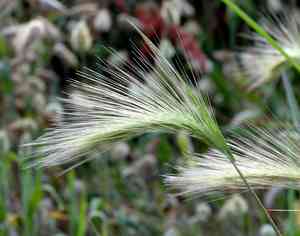
Foxtail Barley is efficiently multiplied by means of separation. To achieve successful establishment, it is essential to meticulously separate the root masses during the replanting process. Verify that every segment possesses adequate roots to sustain fresh development. Place the separated portions in soil that drains effectively to prevent excessive moisture, which could impede growth. Consistent irrigation following propagation will aid in the plant's faster integration.
Optimal Time for Foxtail Barley Propagation
Propagation Method
Division
Propagation Period
Spring,Autumn
Tools for Foxtail Barley Propagation
Garden Spade or Fork
A garden spade or fork is crucial for dividing foxtail Barley. These implements are used to gently lift clumps from the soil without excessive root disturbance. The spade's sharp edge or the fork's tines are especially useful for cleanly cutting through soil and separating root-bound clumps, minimizing damage and stress to foxtail Barley.
Pruning Shears
Pruning shears are needed to trim any extra or dead foliage and roots before and after dividing foxtail Barley. Clean cuts help prevent disease and encourage healthier regrowth. For foxtail Barley, which has a grass-like structure, sharp, precise shears ensure divisions are not frayed or overly damaged, which is vital for the plant's recovery and growth post-propagation.
Rooting Hormone
While not always required, rooting hormone can speed up root development in newly divided foxtail Barley sections. This is particularly beneficial for foxtail Barley, helping divisions establish and adapt faster in new environments. Rooting hormone powders or liquids stimulate root growth and can improve the overall success rate of propagation.
Watering Can with a Fine Rose
After dividing and replanting foxtail Barley, it's essential to provide adequate hydration without disturbing the soil or new divisions. A watering can with a fine rose attachment offers gentle and even water distribution, which helps settle the soil around the roots and reduces transplant shock in foxtail Barley.
Label and Marker
Using labels and markers to identify newly propagated plants is vital for maintaining proper care based on their growth stages. For foxtail Barley, which may need specific care immediately after propagation, clear labeling ensures plants receive correct attention regarding watering, sunlight, and additional nutrient requirements during their establishment period.
How to Propagate Foxtail Barley
Propagation Type
Easy
Caring for Newly Propagated Foxtail Barley
Caring for Newly Propagated Foxtail Barley
After propagation, maintain a consistent watering schedule to keep the soil moist as foxtail Barley establishes. Avoid overwatering, which can cause root rot. Frequent fertilization isn't necessary; a light application of balanced fertilizer annually in spring is sufficient. Monitor for pests or fungal issues, though foxtail Barley is generally resilient in suitable conditions. As a native prairie plant, foxtail Barley requires minimal upkeep once established and can thrive in less fertile soils.
Common Propagation Mistakes for Foxtail Barley
Overwatering
Excess moisture can lead to root rot and fungal infections in foxtail Barley, which prefers drier conditions. This can severely impact the plant's health and its ability to propagate successfully.
Deep planting
Planting foxtail Barley's seeds too deeply can hinder germination, as foxtail Barley seeds need light for optimal growth. Deeply buried seeds may not receive enough light, resulting in poor or failed germination.
Neglecting to control spread
Foxtail Barley can be invasive, and failing to manage its spread can cause it to overshadow other plants and become difficult to control. This can lead to a monoculture that harms biodiversity.
Tips for Propagating Foxtail Barley
Surface sowing
Since foxtail Barley needs light to germinate effectively, surface sowing is crucial. Spread seeds on the soil surface and lightly press them in without covering them.
Moisture control
Maintain balanced soil moisture, ensuring the soil is slightly moist but well-drained. Overly wet conditions can be harmful, so water sparingly to avoid complications like damping off.
Regular monitoring
Keep a close watch on the growth and spread of foxtail Barley to prevent it from becoming invasive. Early interventions like trimming or thinning can help control its propagation and maintain health.



