How to Transplant Chinese hat plant?
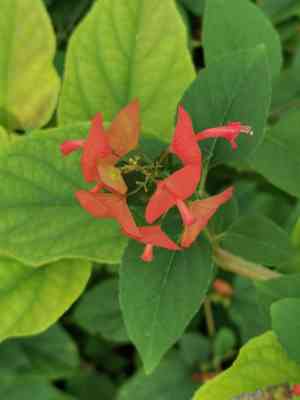
The ideal time for transplanting chinese hat plant is its inactive period, usually starting with the onset of winter, which encourages vigorous spring development. Choose a location bathed in sunlight with soil that drains effectively. Careful management of the root system during transfer can improve its adaptation.
What Preparations are Needed Before Transplanting Chinese Hat Plant?
What is the Ideal Time for Transplanting Chinese Hat Plant?
The optimal period for relocating chinese hat plant is winter. During this inactive phase, cooler temperatures facilitate root establishment without heat-induced stress. Transplanting now prepares chinese hat plant for robust spring flowering. Your garden will flourish as chinese hat plant thrives, showcasing its full splendor under gentle conditions that help prevent transplant shock. It's like putting chinese hat plant to bed, perfectly, for a long winter's rest so it can awaken refreshed and ready to grow!
How Much Space Should You Leave Between Chinese Hat Plant Plants?
When arranging your chinese hat plant, maintain a distance of approximately 2-3 feet (60-90 cm) between each specimen. This spacing ensures every chinese hat plant has ample room to expand, develop, and thrive beautifully.
What is the Best Soil Mix for Chinese Hat Plant Transplanting?
Well-draining soil is ideal for chinese hat plant. Incorporate some compost into the soil to enrich it with nutrients and add a foundational fertilizer like bone meal. This provides essential phosphorus and encourages robust root development.
Where Should You Relocate Your Chinese Hat Plant?
For transplanting chinese hat plant, select a sunny location. A spot receiving full to partial sunlight is suitable for this plant and promotes its growth. Remember, chinese hat plant enjoys the sun as much as you do!
What Equipments Should You Prepare Before Transplantation Chinese Hat Plant?
Gardening Gloves
To safeguard your hands while handling soil and the chinese hat plant plant.
Shovel or Spade
To excavate the plant from its current spot and to prepare the new planting site.
Garden Trowel
Utilize this for more precise digging tasks and for shaping the planting hole.
Planting Stakes
These will offer support to the chinese hat plant after it has been moved to help it remain upright.
Garden Hose or Watering Can
For hydrating the chinese hat plant following transplantation.
Mulch
This will aid in retaining soil moisture after the transplant.
Organic Compost
For enriching the soil in the plant's new location, fostering improved plant health and development.
How Do You Remove Chinese Hat Plant from the Soil?
How Do You Remove Chinese Hat Plant from the Soil?
From Ground: Initially, thoroughly water the chinese hat plant plant to moisten the soil. This will facilitate the removal process. Using your shovel or spade, dig a circle around the plant, ensuring the trench is wide enough to avoid root damage. Carefully slide the spade beneath the root ball to lift the plant from the ground.From Pot: Begin by wetting the soil to loosen it from the pot's sides. Turn the pot horizontally and gently ease the chinese hat plant out, supporting the root ball to prevent any harm. If the plant resists, tap the pot's sides to encourage it to slide out.From Seedling Tray: If your chinese hat plant plant is in a seedling tray, start by moistening the soil. Gently hold the plant by its leaf, avoiding pulling the stem or roots, and apply slight pressure to the bottom of the tray cell to push the plant out.
Step-by-Step Guide for Transplanting Chinese Hat Plant
Preparation
Start by preparing the soil in the new area. Incorporate some compost into the soil to enhance its nutrient content. This step will help the chinese hat plant plant establish more effectively.
Digging
Using your shovel, excavate a hole twice as wide and the same depth as the chinese hat plant's root ball.
Planting
Carefully position the plant in the hole, ensuring the top of the root ball is level with the ground surface. Backfill the soil into the hole, gently compacting it around the root ball.
Staking
Depending on the size and type of the chinese hat plant, you might need to stake it for support. Drive your stakes into the ground and gently secure the plant.
Watering
Thoroughly water the chinese hat plant, making sure to moisten the soil deeply enough to reach the root ball. This step will help the plant settle into its new location.
Mulching
A layer of mulch around the chinese hat plant plant will help retain moisture, deter weeds, and create a tidy appearance.
How Do You Care For Chinese Hat Plant After Transplanting?
Monitoring
Keep a close watch on your newly transplanted chinese hat plant. Look for signs of stress such as wilting, yellowing, and leaf drop. These could indicate transplant shock and may require immediate attention.
Watering
Water the chinese hat plant consistently, but be careful not to overwater. The soil should remain moist, not waterlogged or dry, to encourage new root growth.
Pruning
Trim any damaged or broken stems or branches. This will help the plant focus its energy on root establishment rather than expending it on managing compromised parts.
Fertilizer
After approximately one month, provide your chinese hat plant with a balanced fertilizer to stimulate its growth. However, avoid fertilizing immediately after transplanting as it can shock the plant's system.
Troubleshooting Common Issues with Chinese Hat Plant Transplantation.
When's the best time to transplant chinese hat plant?
The optimal period for transplanting chinese hat plant is during the S10-S12 growing season. This is when the plant can best tolerate the relocation and establish roots more quickly.
How much space should I allocate in my garden for one planted chinese hat plant?
Chinese hat plant requires ample space to thrive. Ensure there is at least 2 to 3 feet (60-90 cm) between each plant to allow for proper development.
What type of soil is best for transplanting chinese hat plant?
Chinese hat plant prefers well-drained soil that is rich in organic matter. Ensure the soil is loose and not compacted to facilitate proper root spread and growth.
How much water does chinese hat plant need after transplanting?
Water the chinese hat plant thoroughly immediately after transplanting. Afterward, water it regularly to keep the soil moist but not saturated. Excessive watering can lead to root rot.
How do I handle chinese hat plant while transplanting ?
Handle chinese hat plant with care during transplantation. Be gentle with the root ball, and try not to damage or disturb the roots excessively.
How deep should I plant chinese hat plant in the new spot?
The hole for transplanting chinese hat plant should be twice as wide as the root ball, but no deeper. This allows the roots to spread out and establish quickly.
What kind of light conditions does chinese hat plant need after being transplanted?
Chinese hat plant prefers full sun to partial shade. Too much shade may hinder growth, while excessive sun can scorch the leaves.
Should I fertilize chinese hat plant after transplanting?
Yes, add a balanced slow-release fertilizer to the hole before planting. Following this, fertilize chinese hat plant periodically during the growing season for optimal results.
What should I do if chinese hat plant shows signs of transplant shock?
Transplant shock is a common issue. Mitigate it by keeping the soil consistently moist, ensuring adequate light, and avoiding over-fertilizing, until the chinese hat plant recovers.
How do I protect newly transplanted chinese hat plant from pests or diseases?
Maintaining chinese hat plant in ideal conditions reduces the risk of pests or diseases. If you observe any, however, use appropriate organic or synthetic pest/disease control solutions.



